What does Mark 10:12 mean?
“And if a woman shall put away her husband, and be married to another, she committeth adultery.” — Mark 10:12
Mark 10:12 in the King James Version of the Bible reads, "And if a woman shall put away her husband, and be married to another, she committeth adultery." This verse is part of a larger passage in which Jesus is speaking to the Pharisees about the Mosaic law and the institution of marriage. In this section of the Gospel of Mark, Jesus is addressing the issue of divorce and remarriage, which was a controversial topic among the Jews of his time.
In order to fully understand the meaning and significance of Mark 10:12, it is important to consider the historical and cultural context in which it was written. During the time of Jesus, divorce and remarriage were common practices, and the Pharisees had differing opinions on the matter. Some believed that divorce was permissible for any reason, while others held to a stricter interpretation of the Mosaic law, which allowed for divorce only in cases of infidelity or sexual immorality.
In this passage, Jesus is asked by the Pharisees whether it is lawful for a man to divorce his wife for any reason. In response, Jesus points them to the creation account in Genesis, where it is stated that "a man shall leave his father and mother and be joined to his wife, and the two shall become one flesh." Jesus then goes on to explain that what God has joined together, man should not separate.
The verse in question, Mark 10:12, specifically addresses the issue of a woman divorcing her husband and marrying another man. Jesus states that if a woman does this, she commits adultery. This statement reflects the broader teaching of Jesus on the sanctity of marriage and the permanence of the marital union. Divorce and remarriage were not part of God's original plan for marriage, and Jesus affirms this by emphasizing the bond and unity of marriage as instituted by God.
The theme of marriage and divorce in this passage is significant, as it touches on the foundational aspects of human relationships and the divine intention for marriage. By upholding the sanctity of marriage, Jesus challenges the cultural norms of his time and presents a radical view of relational commitment and faithfulness.
The symbolism in this passage is found in Jesus' use of the marriage relationship as a metaphor for the spiritual union between God and his people. The imagery of the bride and groom is a recurring theme throughout the Bible, symbolizing the covenant relationship between God and Israel, and later, between Christ and the church. By emphasizing the sacredness of marriage, Jesus underscores the deeper spiritual realities of faithfulness, loyalty, and intimacy within the context of the divine-human relationship.
In conclusion, Mark 10:12 carries a profound message about the sanctity of marriage and the importance of relational faithfulness. Jesus' teachings on divorce and remarriage challenge the prevailing cultural attitudes of his time and emphasize the divine intent for marriage as a lifelong union. The verse also holds symbolic significance, pointing to the spiritual union between God and his people. As Christians, we are called to uphold the sacredness of marriage and to live out the principles of love, commitment, and fidelity in all our relationships.
Get our apps


Artwork for Mark 10:12
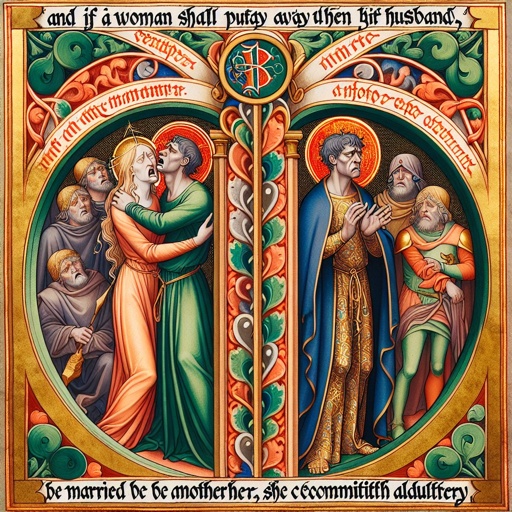
Mark 10:12 - "And if a woman shall put away her husband, and be married to another, she committeth adultery."

"And if a woman shall put away her husband, and be married to another, she committeth adultery." - Mark 10:12

Mark 12:10 - "And have ye not read this scripture; The stone which the builders rejected is become the head of the corner:"
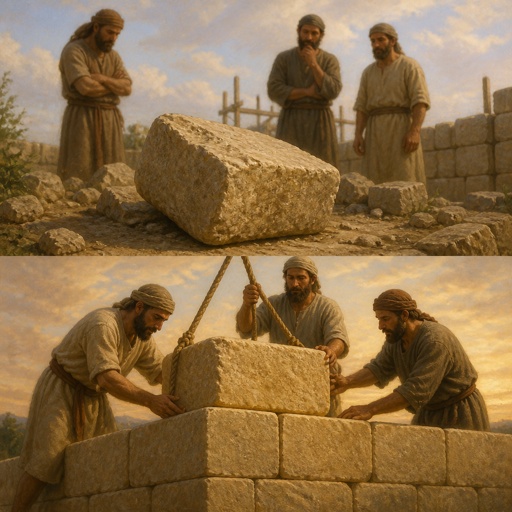
"And have ye not read this scripture; The stone which the builders rejected is become the head of the corner:" - Mark 12:10
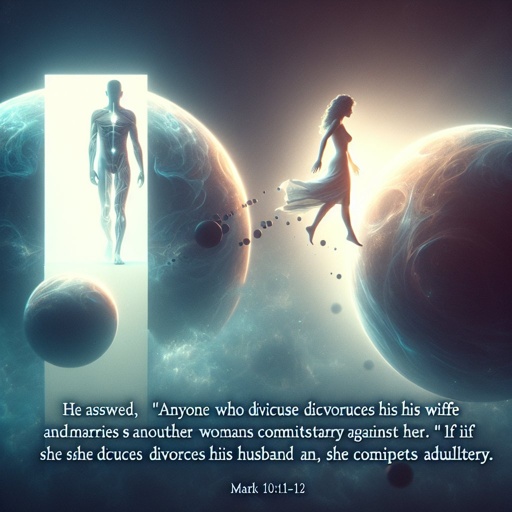
Mark 10:11-12 - "He answered, “Anyone who divorces his wife and marries another woman commits adultery against her. And if she divorces her husband and marries another man, she commits adultery."

Mark 10
Mark 10
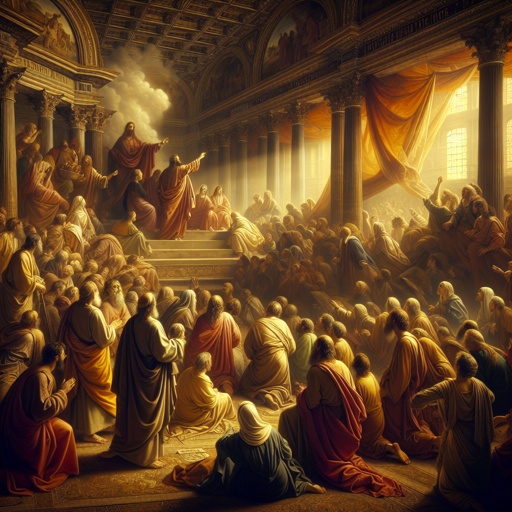
Mark 10
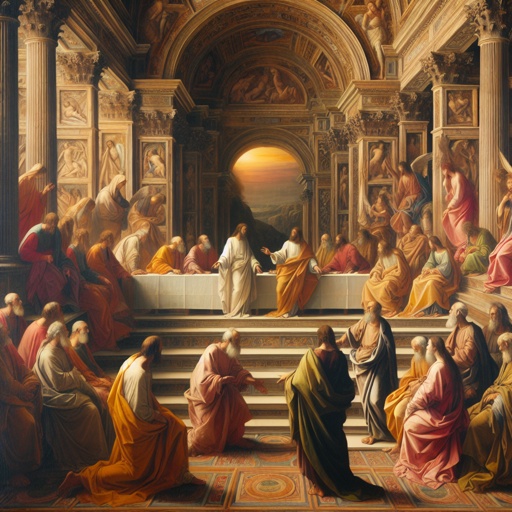
Mark 10

Mark 12:8

Mark 12:8

Mark 15:12

Mark 2:10
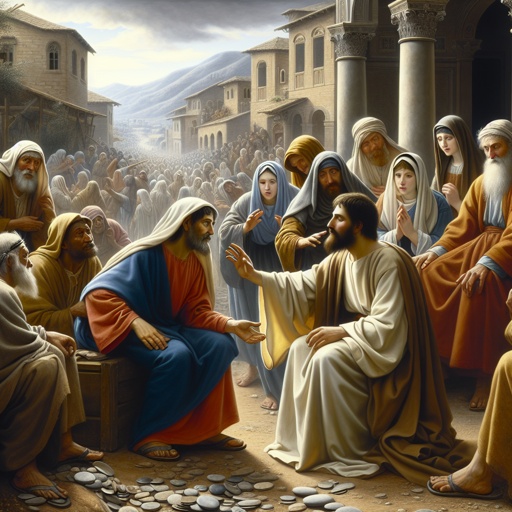
Mark 10:46

Mark 10:31

Mark 10:10 - "And in the house his disciples asked him again of the same matter."
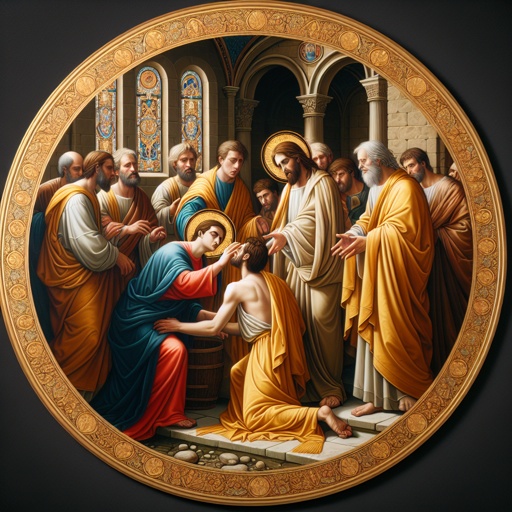
Mark 10:46

Mark 10:46

mark 2:1-12

Mark 12:41 - 44
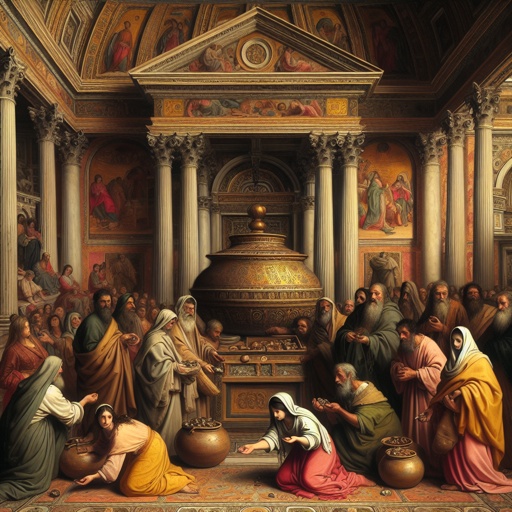
Mark 12:41 - 44

Mark 12:41 - 44

Mark 2:1-12

Mark 12:41 - 44

Mark 12:41 - 44

Mark 10:35-45

Mark 10:17-30

Mark 10:35-45

Mark 10:13–16

Mark 10:17-30