What does Mark 10:4 mean?
“And they said, Moses suffered to write a bill of divorcement, and to put her away.” — Mark 10:4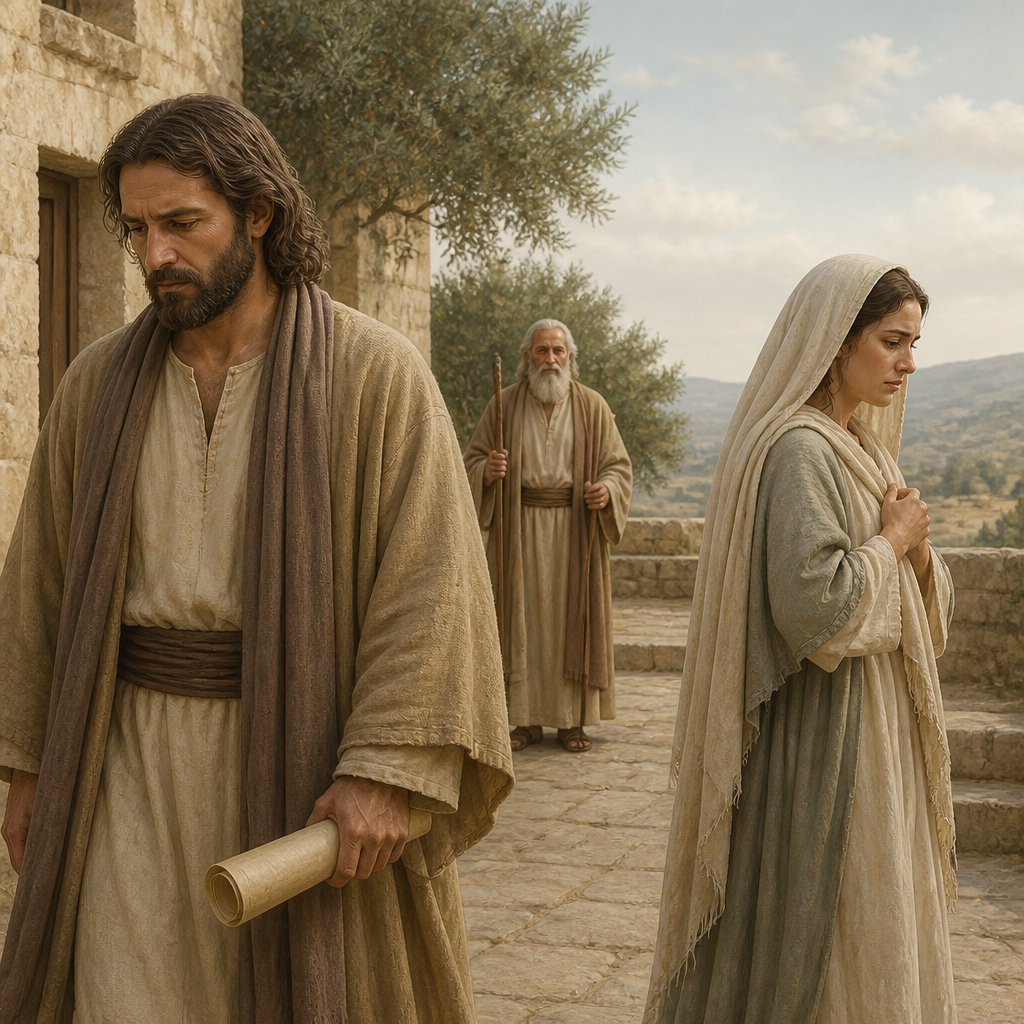
Mark 10:4 in the King James Version of the Bible reads, "And they said, Moses suffered to write a bill of divorcement, and to put her away." This verse is part of a larger passage where Jesus is addressing the Pharisees' question about divorce.
In this verse, the Pharisees are referencing the law of Moses where it was permitted for a man to write a bill of divorcement and dismiss his wife. The context of this passage is important for understanding the significance of this verse. Jesus was teaching in the region of Judea, and the Pharisees were trying to test Him by asking His opinion on the matter of divorce. At the time, there were differing opinions among the religious leaders regarding the legality and morality of divorce. The Pharisees' question was a controversial and divisive issue among the people of Judea.
The theme of marriage and divorce is central to this passage. Jesus uses this opportunity to teach on the sanctity of marriage and the permanence of the marital bond. In verses 6-9, Jesus responds to the Pharisees by quoting from Genesis 2:24, stating that "For this cause shall a man leave his father and mother, and cleave to his wife; And they twain shall be one flesh: so then they are no more twain, but one flesh. What therefore God hath joined together, let not man put asunder." Here, Jesus reaffirms the divine intention for the unity and permanence of marriage. His response highlights the sacredness of the marital covenant and emphasizes the commitment and faithfulness required in a marriage relationship.
The symbolism in this passage is found in the contrast between the Mosaic law and the higher standard of God's original design for marriage. The Pharisees reference the law of Moses, which allowed for divorce under certain circumstances. However, Jesus points to God's original plan for marriage, emphasizing the unity and permanence of the marital bond. The contrast between the two perspectives underscores the difference between human legalistic interpretations and God's timeless and unchanging principles.
The cultural and historical context of this passage is also significant. During the time of Jesus, women were particularly vulnerable in matters of divorce. A man could dismiss his wife for trivial reasons, leaving her in a state of vulnerability and uncertainty. By addressing the Pharisees' question on divorce, Jesus emphasizes the need for justice, compassion, and care for the vulnerable in society, including women. His teaching seeks to affirm the dignity and worth of women within the context of marriage and divorce.
In conclusion, Mark 10:4 in the King James Version of the Bible is a pivotal verse within the larger passage addressing the issue of divorce. The verse presents a contrast between the Mosaic law and God's original plan for marriage, highlighting the sanctity and permanence of the marital covenant. The cultural, historical, and thematic significance of this verse provides a deeper understanding of Jesus' teachings on marriage and divorce, emphasizing the need for justice, compassion, and care for the vulnerable in society.
Get our apps


Artwork for Mark 10:4

Mark 10:4 - "And they said, Moses suffered to write a bill of divorcement, and to put her away."
"And they said, Moses suffered to write a bill of divorcement, and to put her away." - Mark 10:4

Mark 4:10 - "And when he was alone, they that were about him with the twelve asked of him the parable."
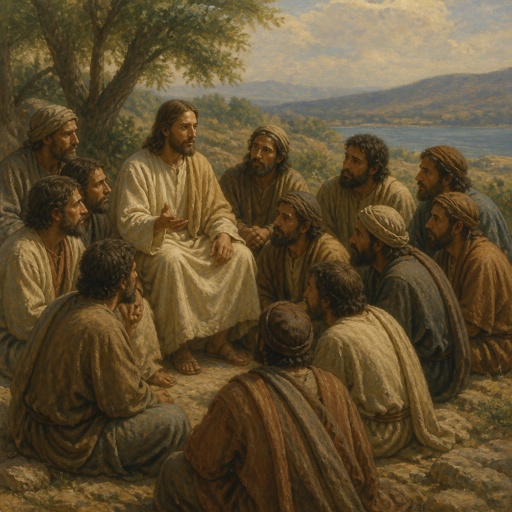
"And when he was alone, they that were about him with the twelve asked of him the parable." - Mark 4:10

Mark 10
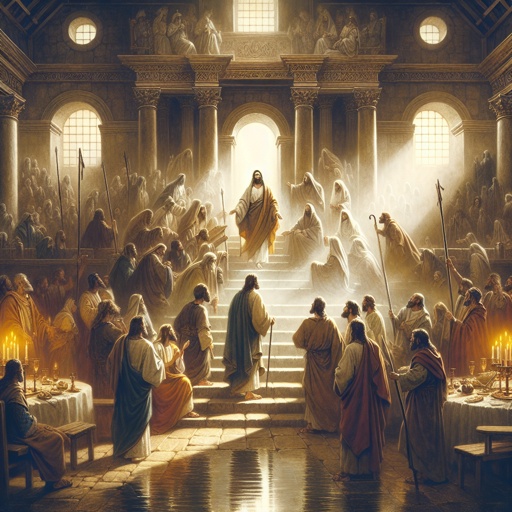
Mark 10
Mark 10
Mark 10

Mark 10:31

Mark 2:10
Mark 10:46

Mark 10:10 - "And in the house his disciples asked him again of the same matter."
Mark 10:46

Mark 10:46

Mark 10:17-30

Mark 10:35-45

Mark 10:35-45

Mark 10:13–16

mark 2:4

mark 2:4

mark 2:4

Mark 10:17-30

Mark 10:35-45

Mark 10:35-45

mark 2:4

Mark 4:41

mark 2:4

Mark 4:41

Mark 4:41

Mark 2:4