What does Mark 10:52 mean?
“And Jesus said unto him, Go thy way; thy faith hath made thee whole. And immediately he received his sight, and followed Jesus in the way.” — Mark 10:52
Mark 10:52 in the King James Version reads, “And Jesus said unto him, Go thy way; thy faith hath made thee whole. And immediately he received his sight, and followed Jesus in the way.”
In its plain sense the verse records the close of the encounter between Jesus and blind Bartimæus. A man who had been sitting “by the highway side begging” is now addressed personally by Christ, released with a word, healed without delay, and then seen doing something that is as important as the miracle itself: he becomes a follower “in the way.” The verse is short, but it gathers together several large themes that the Gospel of Mark has been pressing forward since early chapters: who Jesus is, how people are to come to him, what faith truly looks like, and what it means to become a disciple.
The immediate context is crucial. Just before this, Bartimæus cries, “Jesus, thou Son of David, have mercy on me.” That title, “Son of David,” is not casual. It carries royal and messianic meaning, a confession that the one passing by is the promised King. In Mark’s narrative, many see Jesus’ works yet remain spiritually dull, but Bartimæus, though physically blind, addresses Jesus with a kind of sight: he recognizes him rightly and appeals to mercy. When others rebuke him, he cries “the more a great deal,” which shows that his faith is not a fleeting impression but a determined dependence. When Jesus calls him, Bartimæus “casting away his garment, rose, and came to Jesus.” That movement toward Christ—urgent, unencumbered, and responsive—sets the stage for Mark 10:52. The verse is therefore not merely about eyesight restored; it is the climax of a story that portrays what true approach to Jesus looks like.
When Jesus says, “Go thy way,” it sounds at first like a dismissal, but in Mark it functions as a pronouncement of freedom and peace, as when Jesus elsewhere says, “go in peace.” It means Bartimæus is no longer bound to his former life as a beggar on the roadside. Yet the irony is immediate and deliberate: Jesus tells him to go his way, and the man chooses instead to go Christ’s way. “He… followed Jesus in the way.” The story ends by showing that grace does not merely restore; it redirects. The healed man’s new “way” is discipleship, and Mark places this at a strategic point: it happens as Jesus is on the road toward Jerusalem and the cross. In other words, Bartimæus is not simply given a better life; he is brought into the path that leads to the climactic work of redemption.
The central statement, “thy faith hath made thee whole,” also deserves careful attention. In the KJV phrasing, “whole” is more than “able to see.” It speaks of being made sound, restored, brought into a state of well-being. Mark’s Gospel frequently ties faith to receiving from Christ, not because faith is a power that forces God’s hand, but because faith is the posture of trust that comes to Jesus as the merciful Son of David, expecting help from him alone. Bartimæus does not bargain, does not claim merit, and does not present achievements; he asks for mercy. That is why Jesus can point to his faith as the instrument by which wholeness is received. The power is Christ’s; the receiving is by faith.
Symbolically, the movement from blindness to sight is one of Mark’s strongest pictures of the difference between mere proximity to Jesus and true understanding of him. Mark has been showing disciples who follow Jesus physically yet struggle to perceive who he is and what his mission entails. In the chapters leading up to this scene, Jesus repeatedly teaches about suffering, servanthood, and the cost of discipleship, while his followers argue about greatness. Bartimæus, however, begins in darkness and ends with sight, and immediately becomes the kind of follower the disciples are still learning to be: he follows “in the way.” The “way” in Mark is not only a road; it is a manner of life shaped by Jesus’ journey and teaching. Sight, then, is a sign of spiritual illumination: the ability to recognize Jesus rightly and to respond rightly.
The word “immediately” carries Mark’s characteristic urgency. It stresses that Christ’s saving help is not hesitant or partial. Where human rebuke tried to silence Bartimæus, Jesus’ word brings swift restoration. This immediacy also highlights the authority of Christ: he does not need a process or a ritual to accomplish what he wills. The command and the cure are joined. That matters for the significance of the verse because it frames Jesus not merely as a teacher who inspires hope, but as one whose spoken word effects real change.
Finally, the verse presents a model of response to grace. Bartimæus does not treat the gift as an endpoint. The miracle leads to following. His first use of restored sight is, in effect, to set his eyes on Jesus and walk after him. The verse therefore joins mercy, faith, wholeness, and discipleship into one picture: Christ is approached as the merciful King; faith receives; a person is made whole; and the result is a life that follows Jesus “in the way,” even when that way leads toward suffering and the fulfillment of God’s purpose.
Get our apps


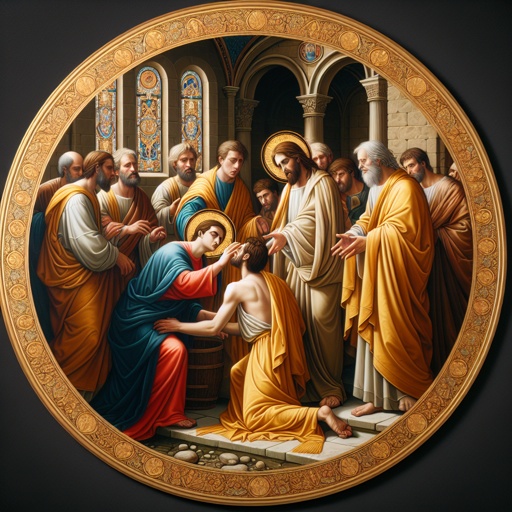
Artwork for Mark 10:52

"And Jesus said unto him, Go thy way; thy faith hath made thee whole. And immediately he received his sight, and followed Jesus in the way." - Mark 10:52

Mark 10:52 - "And Jesus said unto him, Go thy way; thy faith hath made thee whole. And immediately he received his sight, and followed Jesus in the way."

"And Jesus said unto him, Go thy way; thy faith hath made thee whole. And immediately he received his sight, and followed Jesus in the way." - Mark 10:52

Mark 6:52 - "For they considered not the miracle of the loaves: for their heart was hardened."

Mark.19:52 Jeesus parantaa sokean

Mark 14:52 - "And he left the linen cloth, and fled from them naked."

"For they considered not the miracle of the loaves: for their heart was hardened." - Mark 6:52

"And he left the linen cloth, and fled from them naked." - Mark 14:52

Mark 10:51-52 - "And Jesus answered and said unto him, What wilt thou that I should do unto thee? The blind man said unto him, Lord, that I might receive my sight. And Jesus said unto him, Go thy way; thy faith hath made thee whole. And immediately he received his sight, and followed Jesus in the way."

Jeremiah 52:10 - "And the king of Babylon slew the sons of Zedekiah before his eyes: he slew also all the princes of Judah in Riblah."

Mark 10
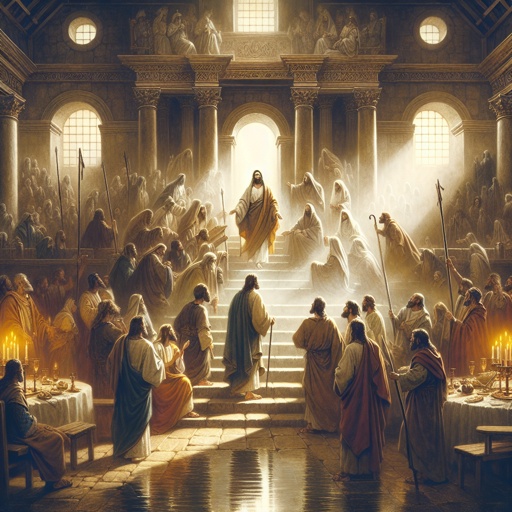
Mark 10
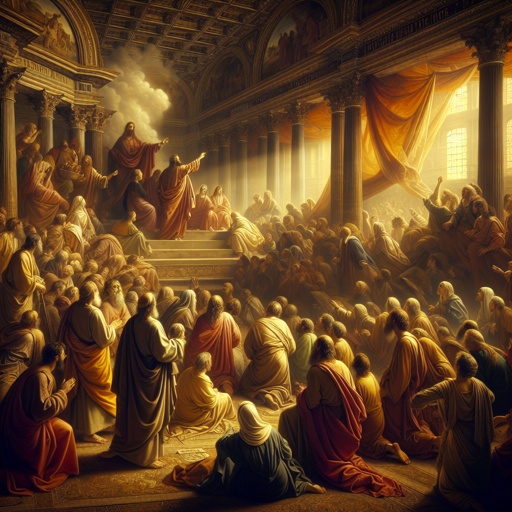
Mark 10
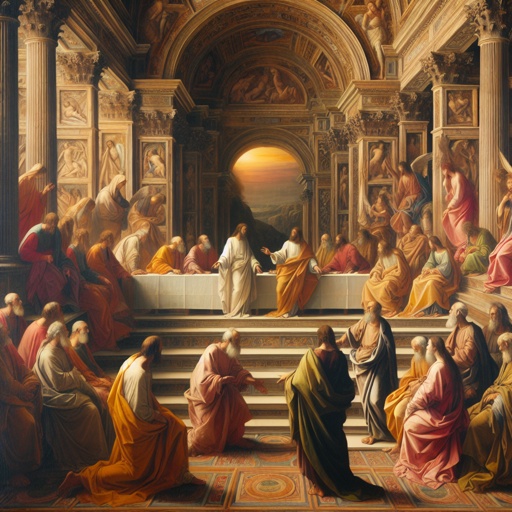
Mark 10

Isaiah 52:10 - "The LORD hath made bare his holy arm in the eyes of all the nations; and all the ends of the earth shall see the salvation of our God."

‘Jesus said to him, ‘Go, your faith has saved you.’ (Mk 10:52)

Mark 2:10
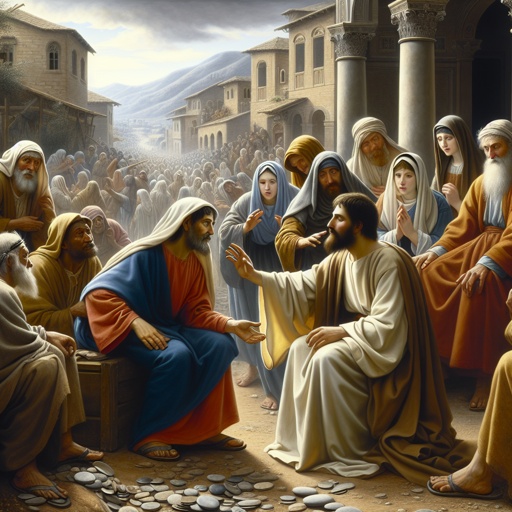
Mark 10:46

Mark 10:31

Mark 10:10 - "And in the house his disciples asked him again of the same matter."
Mark 10:46

Mark 10:46

Mark 10:35-45

Mark 10:17-30

Mark 10:35-45

Mark 10:13–16

Mark 10:17-30

Mark 10:35-45

Mark 10:35-45

Mark 10:44 - "And whosoever of you will be the chiefest, shall be servant of all."