What does Mark 11:4 mean?
"And they went their way, and found the colt tied by the door without in a place where two ways met; and they loose him." - Mark 11:4
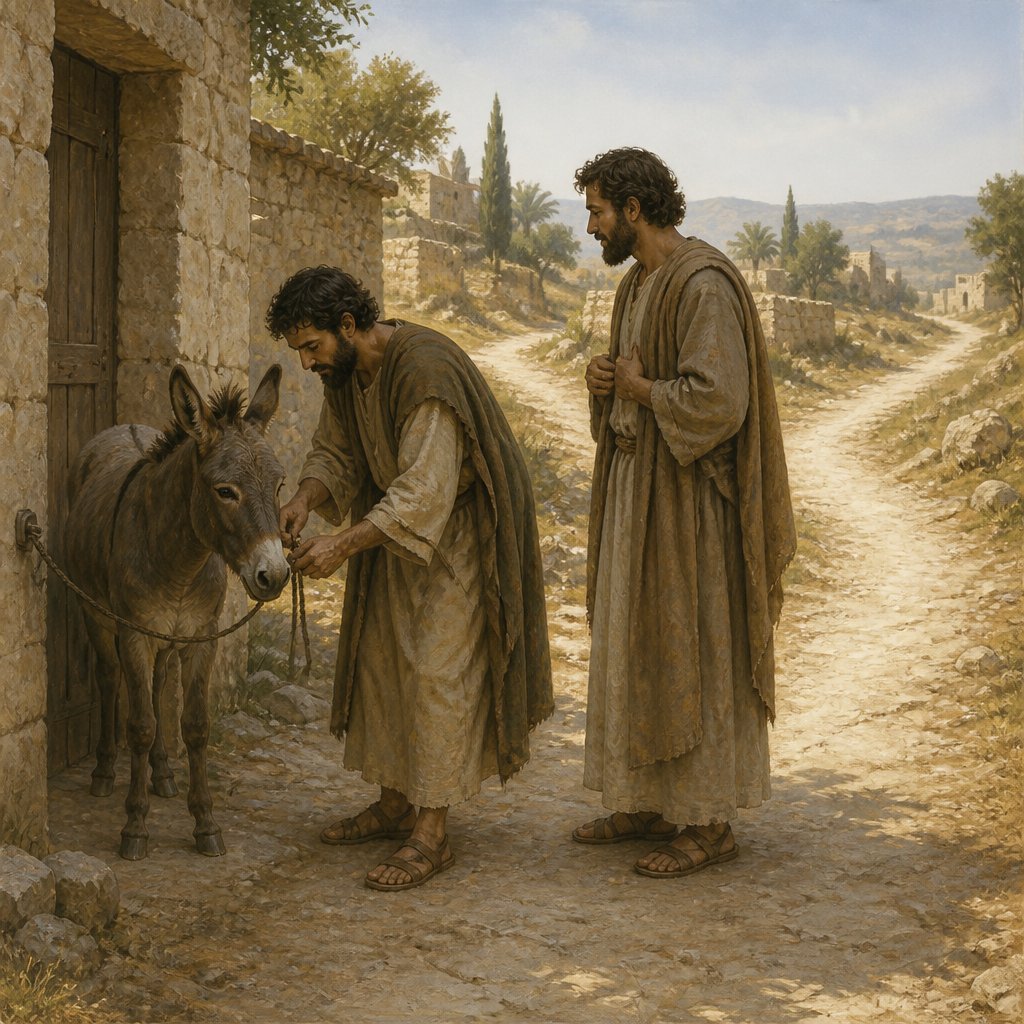
Mark 11:4 (KJV): "And they went their way, and found the colt tied by the door without in a place where two ways met; and they loose him."
In this verse, we see Jesus instructing two of his disciples to go and find a young donkey (colt) for him to ride into Jerusalem. This event takes place during the triumphant entry of Jesus into Jerusalem, which is commonly celebrated as Palm Sunday in the Christian calendar. It is a significant event in the life of Jesus, marking the beginning of the final week of his earthly ministry.
The context of this verse is important to understand the significance of the events that follow. Jesus and his disciples are approaching Jerusalem, and Jesus instructs two of his disciples to go and find a colt for him to ride. This may seem like a simple task, but it holds great significance. The use of a colt in this instance fulfills the prophecy found in Zechariah 9:9, which says, "Rejoice greatly, O daughter of Zion! Shout, daughter of Jerusalem! See, your king comes to you, righteous and victorious, lowly and riding on a donkey, on a colt, the foal of a donkey." By riding on a colt, Jesus is fulfilling the prophecy and signaling his identity as the long-awaited Messiah.
The symbolism in this verse is rich and multi-layered. The colt itself represents humility and peace, as the donkey was considered a symbol of peace in Jesus' time. The fact that the colt is found "tied by the door without in a place where two ways met" can also be seen as symbolic. This image of the colt at a crossroads may represent the choice that the people of Jerusalem would have to make regarding Jesus. His entry into the city was a pivotal moment, and the people would have to decide whether to accept him as their Messiah or reject him.
Furthermore, the act of untying the colt can also be seen as significant. In the biblical context, untying a colt and using it for a specific purpose could be seen as a fulfillment of God's plan. It is a small but important detail that underscores the divine orchestration of events leading up to Jesus' entry into Jerusalem.
Thematically, this verse ties into the larger narrative of Jesus' ministry and his ultimate mission. Jesus, throughout his ministry, consistently displayed humility and compassion, and his choice to ride a colt into Jerusalem is consistent with this character. It also serves as a powerful visual symbol of his identity as the long-awaited Messiah, fulfilling ancient prophecies and embodying the qualities of a peaceful and righteous king.
In conclusion, Mark 11:4 is a pivotal verse in the larger narrative of Jesus' life and ministry. It demonstrates the fulfillment of prophecy, the symbolism of the colt, and the overarching themes of humility and divine purpose. This verse sets the stage for the events that follow, as Jesus enters Jerusalem to fulfill his ultimate mission of redemption and salvation for all who believe in him.
Have questions about Mark 11:4?
Dive deeper into this scripture with Bible Chat — an AI-powered tool for exploring God's Word through conversation. Ask questions, get context, and grow in your understanding of the Bible.
Get Our Apps


Mark 11:4 Artwork

Mark 11:4 - "And they went their way, and found the colt tied by the door without in a place where two ways met; and they loose him."
"And they went their way, and found the colt tied by the door without in a place where two ways met; and they loose him." - Mark 11:4

2 Timothy 4:11 - "Only Luke is with me. Take Mark, and bring him with thee: for he is profitable to me for the ministry."
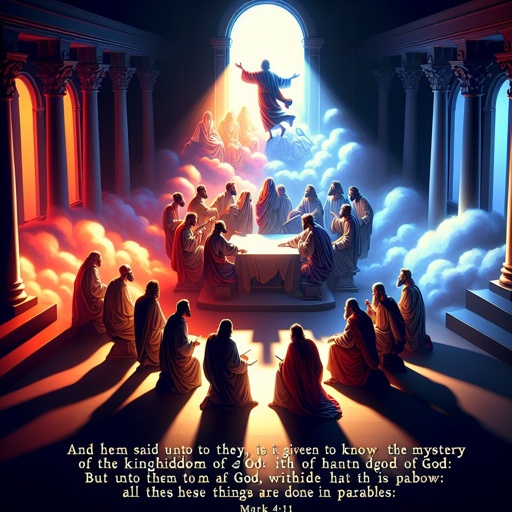
Mark 4:11 - "And he said unto them, Unto you it is given to know the mystery of the kingdom of God: but unto them that are without, all these things are done in parables:"
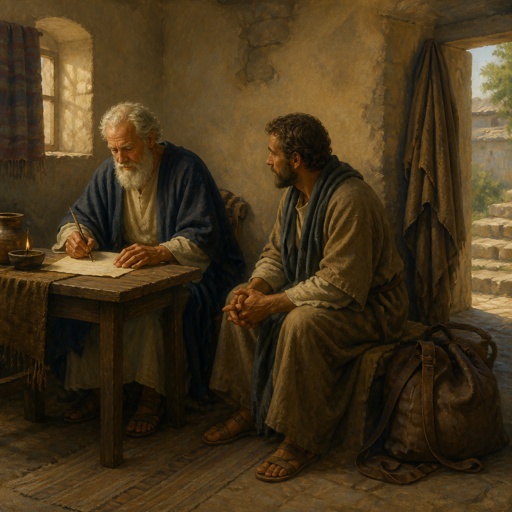
"Only Luke is with me. Take Mark, and bring him with thee: for he is profitable to me for the ministry." - 2 Timothy 4:11

mark 2:4

mark 2:4

mark 2:4

mark 2:4

Mark 4:41

mark 2:4

Mark 4:41

Mark 4:41

Mark 2:4

mark 2:4

Mark 4:41

Mark 12:11 - "This was the Lord's doing, and it is marvellous in our eyes?"

african american mark 16:11

Mark 4:36-37

Mark 4:36-37

Mark 16:4-5

Mark 16:4-5

Mark 16:4-5

Mark 4:35-37

Mark 4:14 - "¶ The sower soweth the word."

Mark 4:35-41

Mark 11:19 - "And when even was come, he went out of the city."

Mark 11:30 - "The baptism of John, was it from heaven, or of men? answer me."

Mark 11:22 - "And Jesus answering saith unto them, Have faith in God."

Mark 11:12 - "¶ And on the morrow, when they were come from Bethany, he was hungry:"