What does Mark 12:10 mean?
“And have ye not read this scripture; The stone which the builders rejected is become the head of the corner:” — Mark 12:10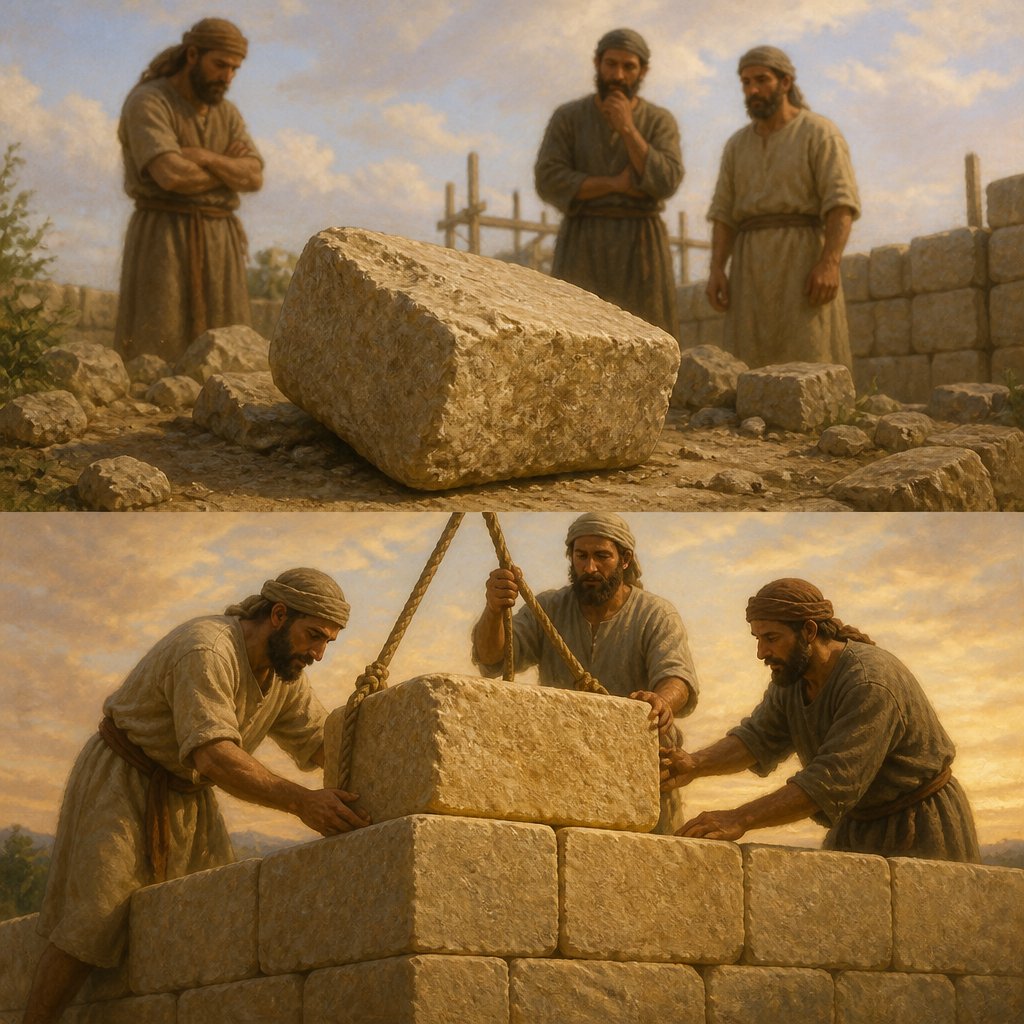
The Bible verse Mark 12:10 from the King James Version (KJV) says, "And have ye not read this scripture; The stone which the builders rejected is become the head of the corner." This passage is part of a larger parable that Jesus tells, and it holds deep significance and meaning for Christians.
In this parable, Jesus is addressing the religious leaders of the time who have rejected him as the Messiah. He uses the analogy of a stone rejected by builders that ultimately becomes the most important part of the building. This parallel is meant to convey the idea that Jesus, though rejected by the religious leaders, will become the most important figure in God's kingdom.
The theme of persecution and rejection is central to this passage. Throughout his ministry, Jesus faced opposition from religious authorities who refused to accept him as the Son of God. By using the imagery of a rejected stone that becomes the cornerstone, Jesus is conveying the idea that rejection and suffering are often part of God's plan. This message would have been especially powerful for his disciples and early followers who also faced persecution for their beliefs.
The context of this verse is important to fully understand its significance. Just before this passage, Jesus tells the parable of the wicked husbandmen, in which a landowner sends servants to collect the fruit of his vineyard, only to have them rejected and killed by the tenants. Finally, the landowner sends his beloved son, who is also killed. This parable serves as a direct condemnation of the religious leaders who rejected the prophets and ultimately rejected Jesus himself.
The symbolism in this verse is rich and multi-layered. The rejected stone represents Jesus, who was rejected by the religious leaders of his time. This rejection ultimately leads to his crucifixion, but through his death and resurrection, he becomes the cornerstone of the Christian faith. The image of a stone becoming the cornerstone is significant because the cornerstone is the most important part of a building, providing stability and support for the entire structure. In the same way, Jesus becomes the foundation and support for the Christian faith.
Furthermore, the rejection of the stone by the builders serves as a warning to those who reject Jesus and his teachings. It highlights the irony and foolishness of rejecting something that ultimately becomes the most important and valuable part.
For Christians, this verse holds a message of hope and reassurance. It reminds believers that even in the face of rejection and persecution, God's plan will ultimately prevail. It encourages Christians to trust in God's timing and purpose, even when faced with opposition.
In conclusion, Mark 12:10 from the King James Version (KJV) encapsulates the central themes of rejection, persecution, and redemption that are present throughout the Bible. The symbolism of the rejected stone becoming the cornerstone serves as a powerful message of hope and reassurance for Christians, reminding them of the ultimate triumph of God's plan. This verse has been cherished and meditated upon by believers for centuries, and its message continues to resonate deeply with Christians today.
Get our apps


Artwork for Mark 12:10

Mark 12:10 - "And have ye not read this scripture; The stone which the builders rejected is become the head of the corner:"
"And have ye not read this scripture; The stone which the builders rejected is become the head of the corner:" - Mark 12:10
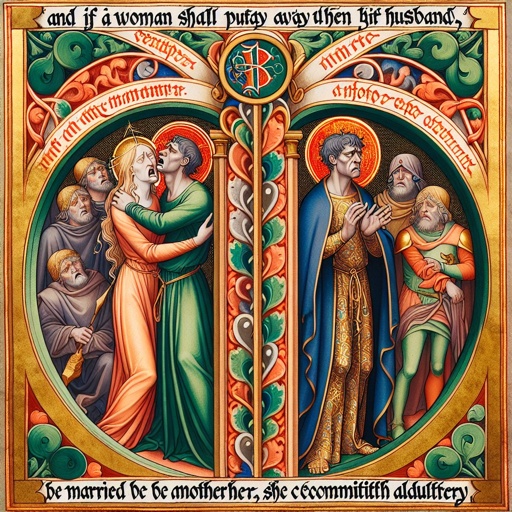
Mark 10:12 - "And if a woman shall put away her husband, and be married to another, she committeth adultery."
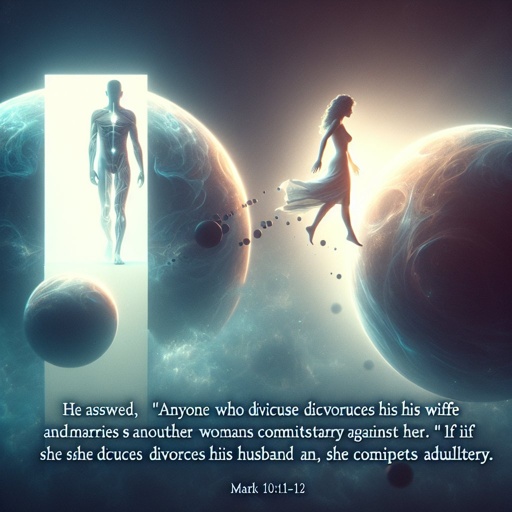
Mark 10:11-12 - "He answered, “Anyone who divorces his wife and marries another woman commits adultery against her. And if she divorces her husband and marries another man, she commits adultery."
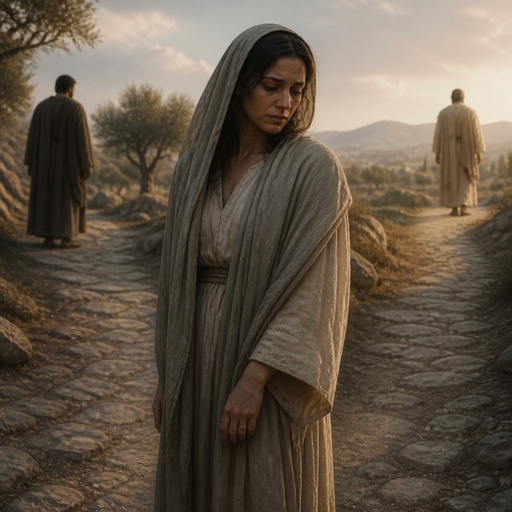
"And if a woman shall put away her husband, and be married to another, she committeth adultery." - Mark 10:12

Mark 10
Mark 10
Mark 10
Mark 10

Mark 12:8

Mark 12:8

Mark 15:12

Mark 2:10
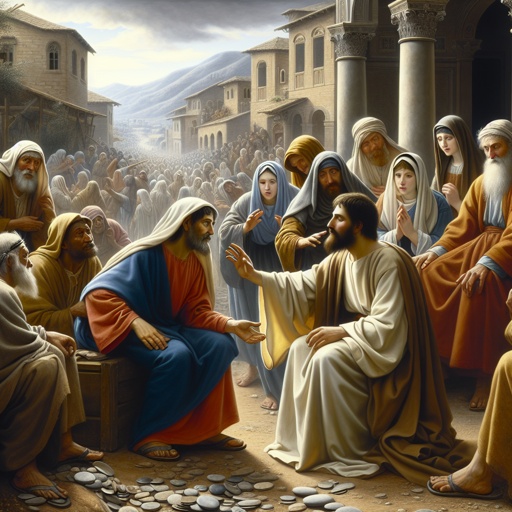
Mark 10:46

Mark 10:31

Mark 10:10 - "And in the house his disciples asked him again of the same matter."
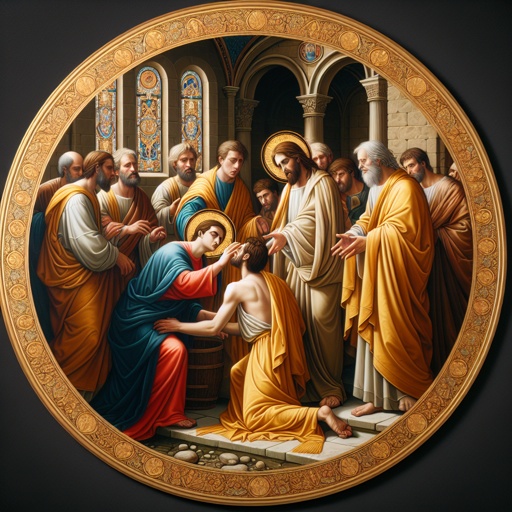
Mark 10:46

Mark 10:46

mark 2:1-12

Mark 12:41 - 44
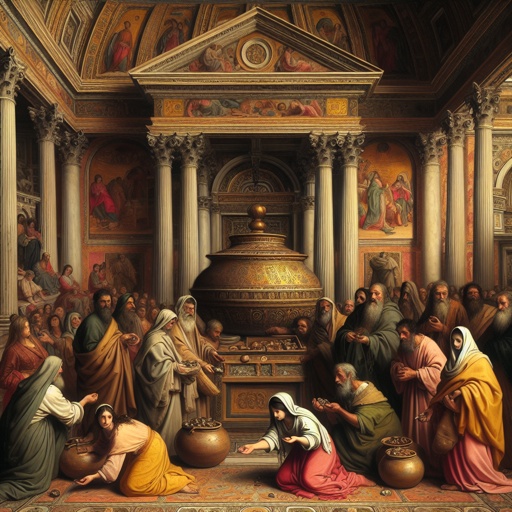
Mark 12:41 - 44

Mark 12:41 - 44

Mark 2:1-12

Mark 12:41 - 44

Mark 12:41 - 44

Mark 10:35-45

Mark 10:17-30

Mark 10:35-45

Mark 10:13–16

Mark 10:17-30