What does Mark 12:11 mean?
“This was the Lord’s doing, and it is marvellous in our eyes?” — Mark 12:11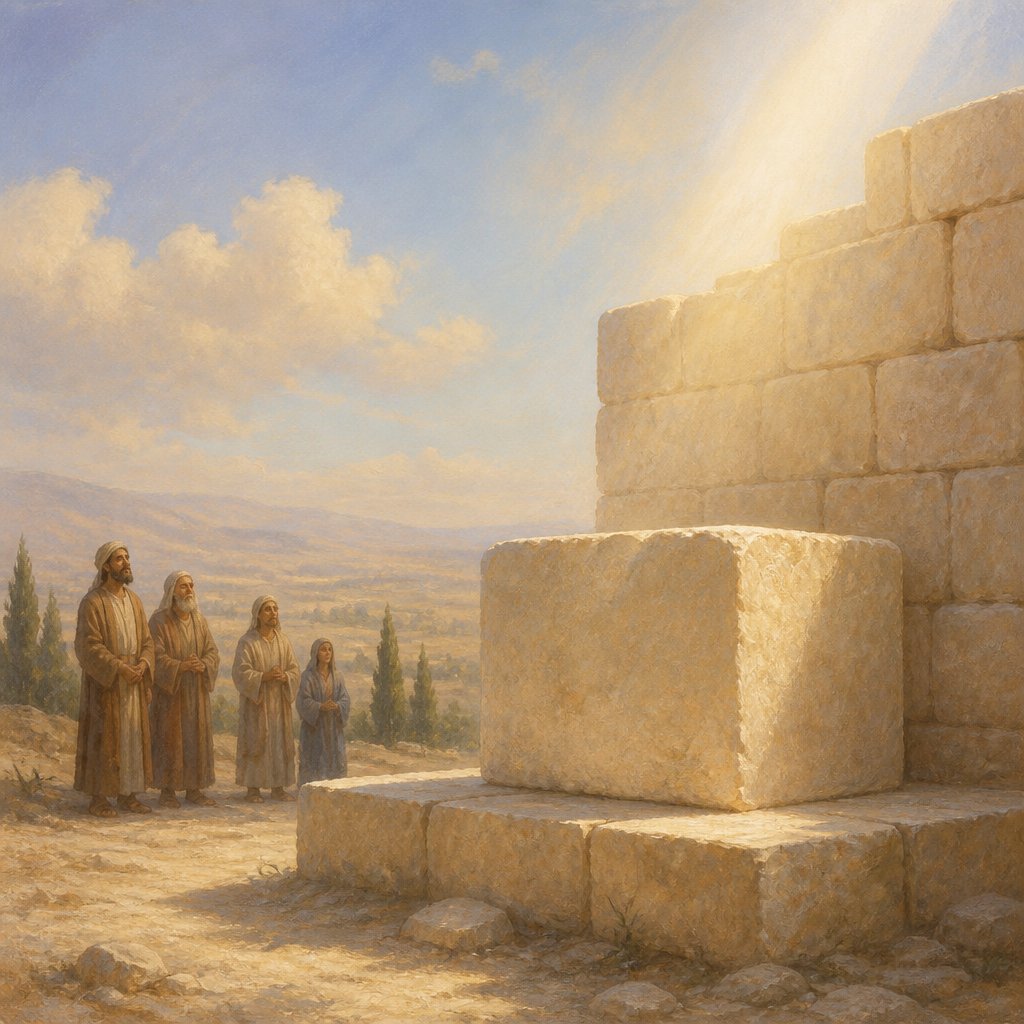
Mark 12:11 in the King James Version (KJV) of the Bible says, "This was the Lord's doing, and it is marvelous in our eyes." This verse is part of a parable told by Jesus known as the Parable of the Tenants. In this parable, Jesus tells the story of a man who planted a vineyard, rented it out to some tenants, and then went away on a journey. When it came time for the harvest, the owner sent a servant to collect the fruit from the vineyard, but the tenants beat the servant and sent him away empty-handed. The owner then sent another servant, but the tenants did the same to him. Finally, the owner sent his son, thinking the tenants would respect him, but instead they killed him in order to take possession of the vineyard.
The meaning of Mark 12:11 can be understood in the context of this parable. The verse is spoken by Jesus after he tells this parable in response to the religious leaders who were questioning his authority. It can be interpreted to mean that the events in the parable, including the rejection and eventual killing of the owner's son, were all part of God's plan. It suggests that the rejection of the Son of God by the religious leaders and the subsequent crucifixion were all foretold and allowed by God himself.
The phrase "marvelous in our eyes" indicates that what has happened is astonishing and worthy of wonder and praise. It speaks to the greatness of God's plan and the unexpected ways in which it unfolds. Despite the rejection and crucifixion of Jesus, God's ultimate purposes for the salvation of humanity are achieved, and this is a cause for amazement and awe.
In the broader context of the Bible, this verse can be seen as part of the overarching theme of God's sovereignty and the fulfillment of his will. Throughout the Bible, there are numerous instances of God working through seemingly impossible or unlikely circumstances to bring about his purposes. Mark 12:11 underscores the idea that even in the midst of human rebellion and rejection, God's plan will ultimately prevail, and it is indeed marvelous to behold.
Furthermore, the verse also points to the rejection of Jesus by the religious leaders of his time, and the subsequent crucifixion, as a pivotal moment in God's redemptive plan. It foreshadows the resurrection and the message of salvation that would be proclaimed to all nations. In this sense, the rejection of Jesus becomes a part of God's marvelous work and ultimately leads to the fulfillment of his mission to reconcile humanity to himself.
Symbolically, the vineyard in the parable can be seen as representing Israel, as it often does in the Old Testament. The owner of the vineyard can be understood as God, and the tenants as the religious leaders and the people of Israel who were responsible for bearing fruit and stewarding what had been given to them. The rejection and killing of the owner's son parallel the rejection and crucifixion of Jesus by the religious leaders and the people of Israel. Mark 12:11 then becomes a statement about the divine significance and fulfillment of these events in the larger context of God's redemptive plan.
In summary, Mark 12:11 in the KJV presents a profound statement about the sovereignty of God and the fulfillment of his plan, even in the face of human rejection and rebellion. It emphasizes the marvelous nature of God's work and points to the rejection and crucifixion of Jesus as a pivotal moment in God's redemptive plan. It serves as a reminder of the unexpected ways in which God's purposes unfold and the ultimate triumph of his will.
Get our apps


Artwork for Mark 12:11

Mark 12:11 - "This was the Lord's doing, and it is marvellous in our eyes?"
"This was the Lord's doing, and it is marvellous in our eyes?" - Mark 12:11

Mark 11:12 - "¶ And on the morrow, when they were come from Bethany, he was hungry:"
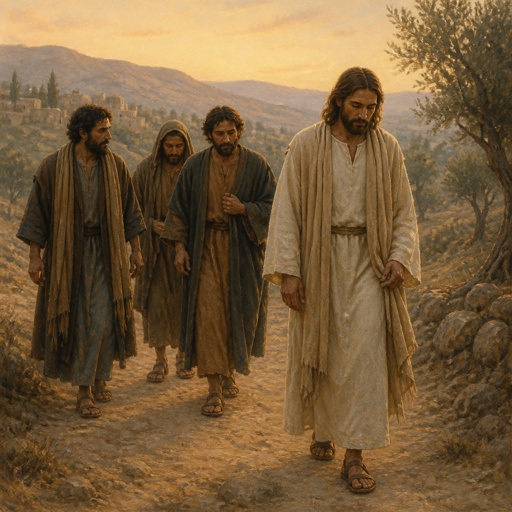
"¶ And on the morrow, when they were come from Bethany, he was hungry:" - Mark 11:12
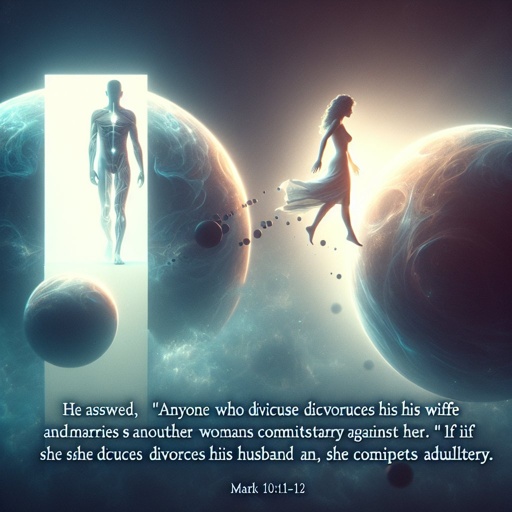
Mark 10:11-12 - "He answered, “Anyone who divorces his wife and marries another woman commits adultery against her. And if she divorces her husband and marries another man, she commits adultery."
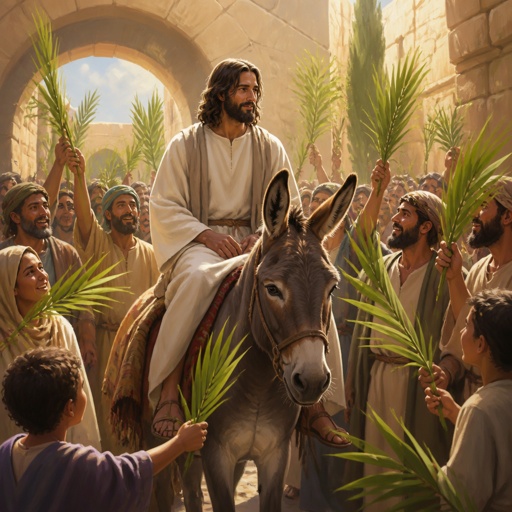
Mark 11:36

Mark 12:8

Mark 12:8

Mark 15:12

John 1:1-2

John 1:1-2

John 1:1-2

John 1:1-2

John 1:1-2

mark 2:1-12

Mark 12:41 - 44
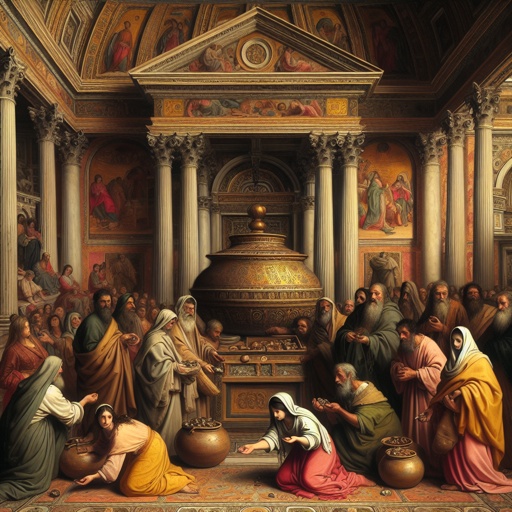
Mark 12:41 - 44

Mark 12:41 - 44

Mark 2:1-12

Mark 12:41 - 44

Mark 12:41 - 44

african american mark 16:11

Mark 1:12 - "And immediately the Spirit driveth him into the wilderness."

Mark 12:39 - "And the chief seats in the synagogues, and the uppermost rooms at feasts:"
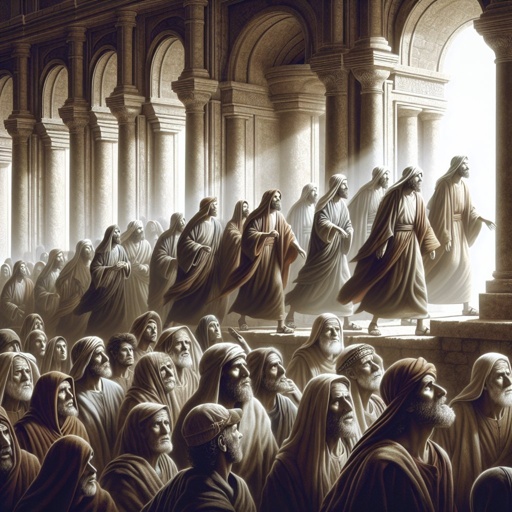
Mark 6:12 - "And they went out, and preached that men should repent."

Mark 11:19 - "And when even was come, he went out of the city."

Mark 11:30 - "The baptism of John, was it from heaven, or of men? answer me."

Mark 3:12 - "And he straitly charged them that they should not make him known."

Mark 12:3 - "And they caught him, and beat him, and sent him away empty."

Acts 12:12 - "And when he had considered the thing, he came to the house of Mary the mother of John, whose surname was Mark; where many were gathered together praying."