What does Mark 12:20 mean?
“Now there were seven brethren: and the first took a wife, and dying left no seed.” — Mark 12:20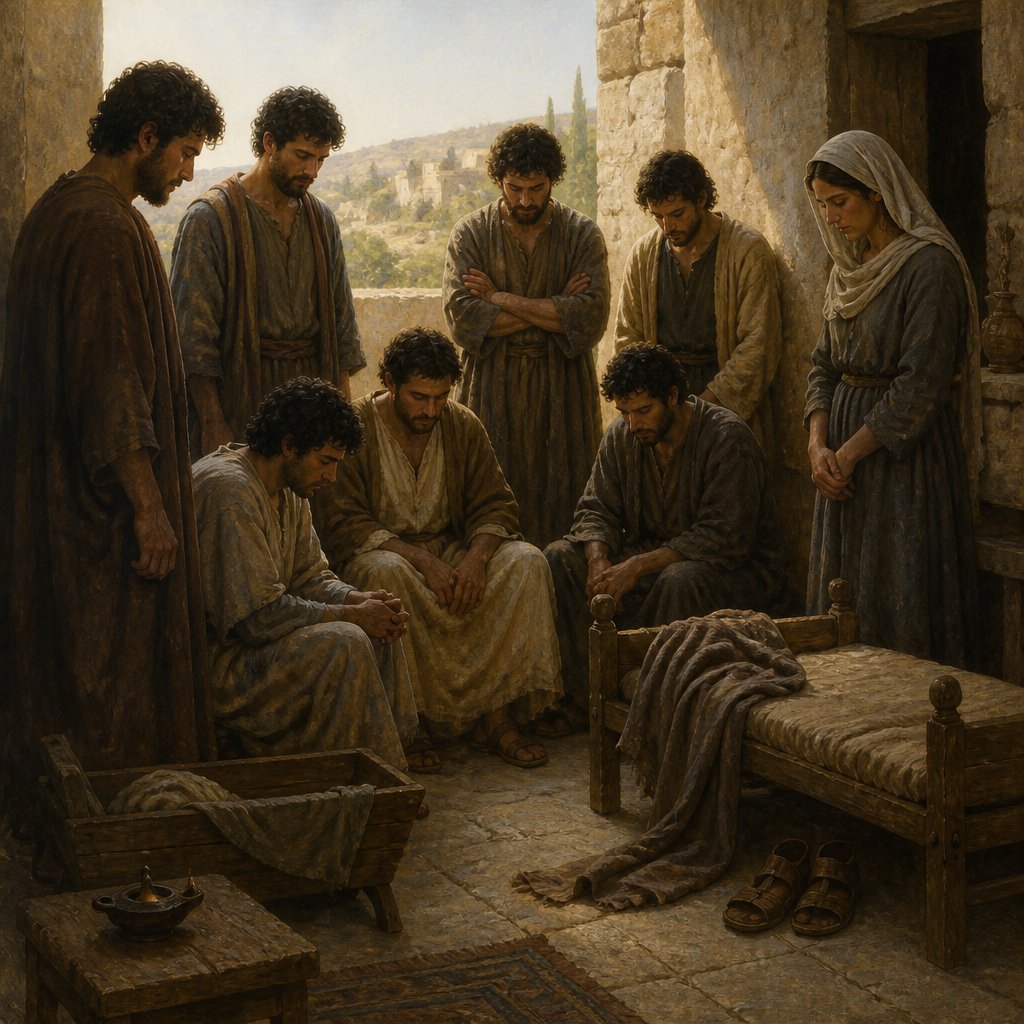
Mark 12:20 (KJV) says, "Now there were seven brethren: and the first took a wife, and dying left no seed."
This verse is part of a passage in which Jesus is responding to a question about the resurrection. He uses a hypothetical scenario involving a woman who marries seven brothers in sequence, as each one dies without leaving any children. This verse specifically refers to the first brother who marries the woman and then dies childless.
The context of this verse is important for understanding its meaning. Jesus is having a conversation with the Sadducees, who were a Jewish sect that did not believe in the resurrection of the dead. They present a hypothetical scenario to Jesus in an attempt to discredit the idea of resurrection. In response, Jesus explains that those who are resurrected will not marry or be given in marriage, but will be like angels in heaven.
The symbolic meaning of this verse is tied to the broader theme of Jesus' teachings on the afterlife and the kingdom of God. The scenario of the seven brothers and the woman serves as a literary device to illustrate a point about the nature of the afterlife and the resurrection. By referring to a specific individual who died childless, Jesus underscores the concept of life after death and the continuity of relationships in the resurrected state.
The number seven holds symbolic significance in the Bible, often representing completion or perfection. In this passage, the use of seven brothers emphasizes the completeness of the scenario and reinforces the idea that the hypothetical situation being presented is meant to convey a deeper spiritual truth rather than a literal account.
The absence of offspring in the scenario is also symbolic, suggesting the incompleteness and impermanence of earthly relationships in contrast to the eternal nature of the resurrected life. In the cultural context of Jesus' time, leaving no seed or offspring would have been seen as a significant failing, but Jesus uses this detail to illustrate that earthly concerns about marriage and progeny are ultimately insignificant in the face of the eternal life promised in the kingdom of God.
The broader theme of resurrection and the afterlife in the Bible is central to the Christian faith and has profound implications for how believers view the purpose and meaning of their lives. Jesus' response to the Sadducees emphasizes the transformative nature of the afterlife, where earthly concerns give way to a new and eternal reality.
Overall, Mark 12:20, within its context, conveys a profound spiritual truth about the nature of the afterlife and the kingdom of God. It serves as a reminder that the concerns and limitations of earthly life are transcended in the resurrection, where believers will experience a completeness and fulfillment beyond what this world can offer. This verse encourages believers to look beyond the temporal and material and to focus on the eternal truths of the gospel.
Get our apps


Artwork for Mark 12:20

Mark 12:20 - "Now there were seven brethren: and the first took a wife, and dying left no seed."
"Now there were seven brethren: and the first took a wife, and dying left no seed." - Mark 12:20
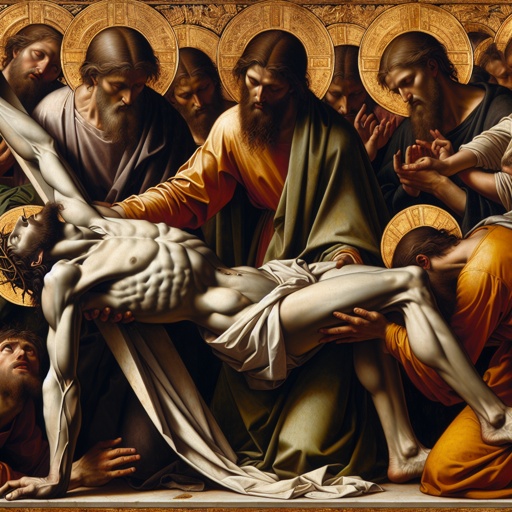
Mark 16:20

Mark 16:20

Mark 16:20

Mark 16:20
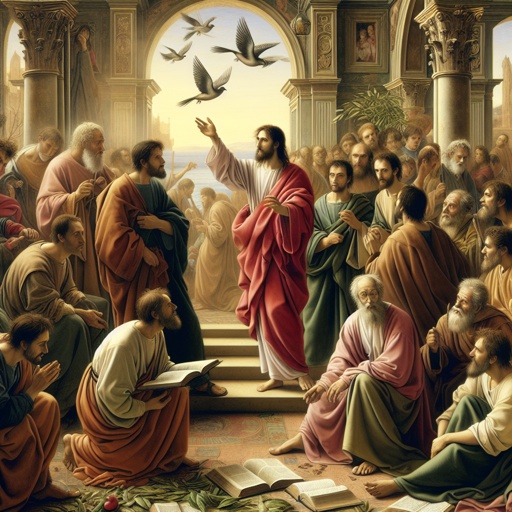
Mark 16:20

1 Samuel 20:20 - "And I will shoot three arrows on the side thereof, as though I shot at a mark."

Mark 12:8

Mark 12:8

Mark 15:12

mark 2:1-12

Mark 12:41 - 44
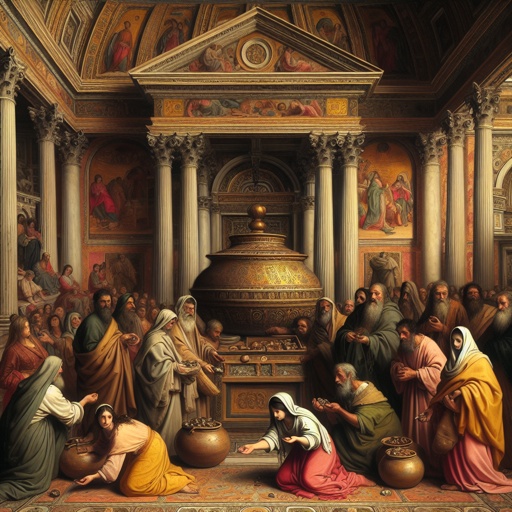
Mark 12:41 - 44

Mark 12:41 - 44

Mark 2:1-12

Mark 12:41 - 44

Mark 12:41 - 44

Mark 7:20 - "And he said, That which cometh out of the man, that defileth the man."

Mark 12:11 - "This was the Lord's doing, and it is marvellous in our eyes?"

Mark 11:20 - "¶ And in the morning, as they passed by, they saw the fig tree dried up from the roots."

Mark 1:12 - "And immediately the Spirit driveth him into the wilderness."

Mark 3:20 - "And the multitude cometh together again, so that they could not so much as eat bread."

Mark 12:39 - "And the chief seats in the synagogues, and the uppermost rooms at feasts:"
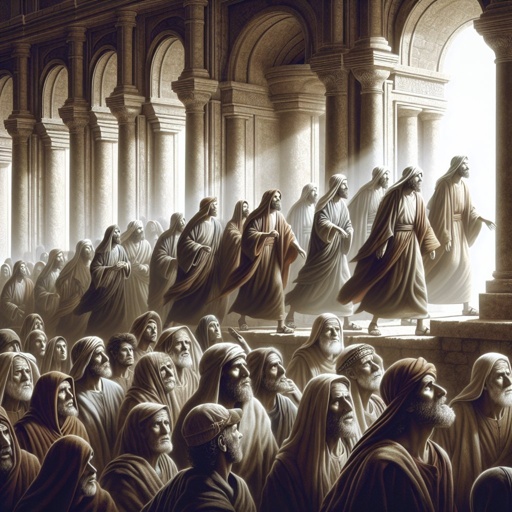
Mark 6:12 - "And they went out, and preached that men should repent."

Mark 14:20 - "And he answered and said unto them, It is one of the twelve, that dippeth with me in the dish."

Mark 3:12 - "And he straitly charged them that they should not make him known."

Mark 12:3 - "And they caught him, and beat him, and sent him away empty."

Acts 12:12 - "And when he had considered the thing, he came to the house of Mary the mother of John, whose surname was Mark; where many were gathered together praying."

Mark 12:12 - "And they sought to lay hold on him, but feared the people: for they knew that he had spoken the parable against them: and they left him, and went their way."