What does Mark 12:25 mean?
“For when they shall rise from the dead, they neither marry, nor are given in marriage; but are as the angels which are in heaven.” — Mark 12:25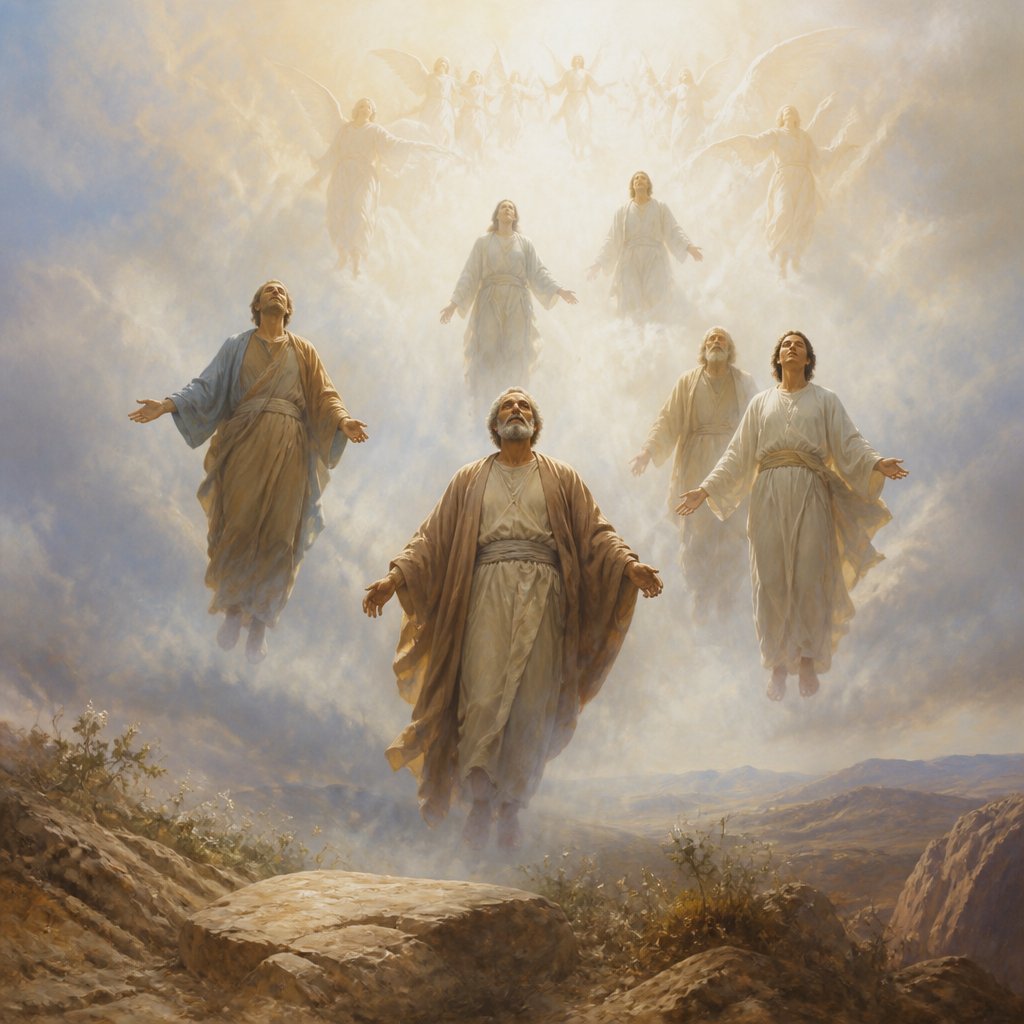
Mark 12:25 (KJV) states, "For when they shall rise from the dead, they neither marry, nor are given in marriage; but are as the angels which are in heaven."
This verse is part of a larger passage in which Jesus is addressing a group of Sadducees, who were a Jewish sect known for their denial of the resurrection of the dead. In this specific exchange, the Sadducees pose a hypothetical scenario to Jesus in which a woman is married to seven brothers sequentially due to the practice of levirate marriage. They ask whose wife she will be in the afterlife, assuming that the resurrection would necessitate traditional marital relationships. Jesus responds by explaining that in the resurrection, people will be like the angels in heaven and will not marry or be given in marriage.
The broader context of this passage is important for understanding the meaning of Mark 12:25. Jesus' response serves not only to refute the Sadducees' argument but also to teach about the nature of the afterlife and the kingdom of God. By stating that those who are raised from the dead will not marry or be given in marriage, Jesus is emphasizing that the relationships and dynamics of this world will not carry over into the next.
One of the key themes of Mark 12:25 is the concept of the afterlife and the nature of existence beyond this earthly realm. Jesus' words suggest that the resurrection will bring about a transformation in which earthly concerns such as marriage will no longer be relevant. Instead, those who are raised from the dead will be transformed to be like the angels in heaven, living in a different state of being and relationship.
This verse also speaks to the larger theme of the kingdom of God and the radical transformation that will occur in the eschatological future. The idea of being like the angels in heaven implies a state of purity, holiness, and spiritual existence free from the limitations and constraints of earthly life. By using the image of angels, Jesus is pointing to a transcendent reality that goes beyond our human understanding and experience.
Symbolically, Mark 12:25 represents a shift from the temporal and earthly to the eternal and heavenly. The absence of marriage in the resurrection underscores the idea that our earthly relationships and attachments are not the ultimate reality. Instead, the focus is on a deeper, spiritual union with God and a new way of being in the presence of the divine.
In a broader theological context, this verse also speaks to the Christian understanding of the resurrection and the hope of eternal life. It emphasizes the transformation and renewal that will occur in the eschaton, when believers will be raised to new life in the presence of God. The absence of marriage in the resurrection points to a new order of existence that transcends our human experience, representing a fulfillment of God's ultimate plan for the redemption and restoration of creation.
In conclusion, Mark 12:25 offers profound insights into the nature of the afterlife, the kingdom of God, and the transformation that will occur in the resurrection. It challenges our earthly perspectives and invites us to consider the ultimate reality of existence beyond this world. As believers, we are called to embrace the hope of the resurrection and the promise of a new and eternal life in the presence of God.
Get our apps


Artwork for Mark 12:25

Mark 12:25 - "For when they shall rise from the dead, they neither marry, nor are given in marriage; but are as the angels which are in heaven."
"For when they shall rise from the dead, they neither marry, nor are given in marriage; but are as the angels which are in heaven." - Mark 12:25

Acts 12:25 - "And Barnabas and Saul returned from Jerusalem, when they had fulfilled their ministry, and took with them John, whose surname was Mark."

Mark 15:25 - "And it was the third hour, and they crucified him."
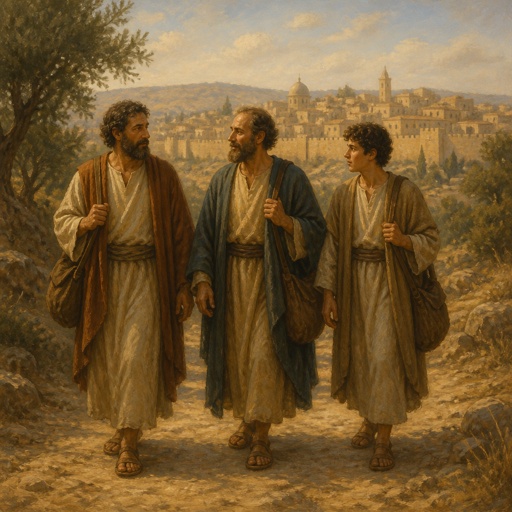
"And Barnabas and Saul returned from Jerusalem, when they had fulfilled their ministry, and took with them John, whose surname was Mark." - Acts 12:25

Mark 3:25 - "And if a house be divided against itself, that house cannot stand."

Mark 12:8

Mark 13:25 - "And the stars of heaven shall fall, and the powers that are in heaven shall be shaken."

Mark 5:25 - "And a certain woman, which had an issue of blood twelve years,"

Mark 12:8

Mark 15:12

"And it was the third hour, and they crucified him." - Mark 15:25

Mark 1:25 - "And Jesus rebuked him, saying, Hold thy peace, and come out of him."

mark 2:1-12

Mark 12:41 - 44
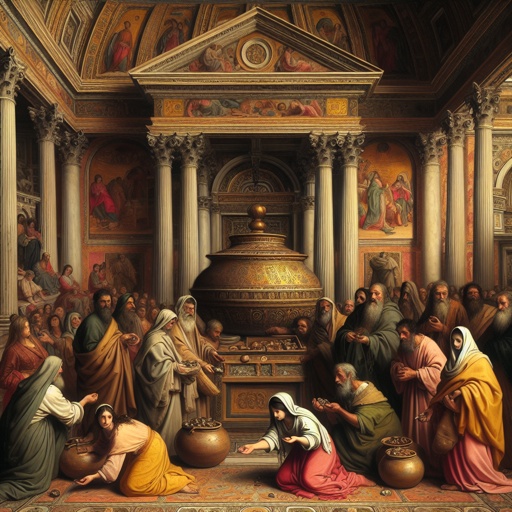
Mark 12:41 - 44

Mark 12:41 - 44

Mark 2:1-12

Mark 12:41 - 44

Mark 12:41 - 44

Mark 10:25 - "It is easier for a camel to go through the eye of a needle, than for a rich man to enter into the kingdom of God."

Mark 12:11 - "This was the Lord's doing, and it is marvellous in our eyes?"

John 12:25

Luke 12:25
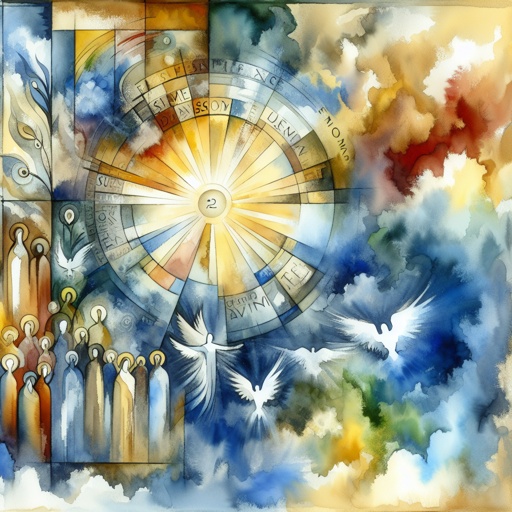
Luke 12:25

Genesis 25:12

Mark 1:12 - "And immediately the Spirit driveth him into the wilderness."

Mark 12:39 - "And the chief seats in the synagogues, and the uppermost rooms at feasts:"
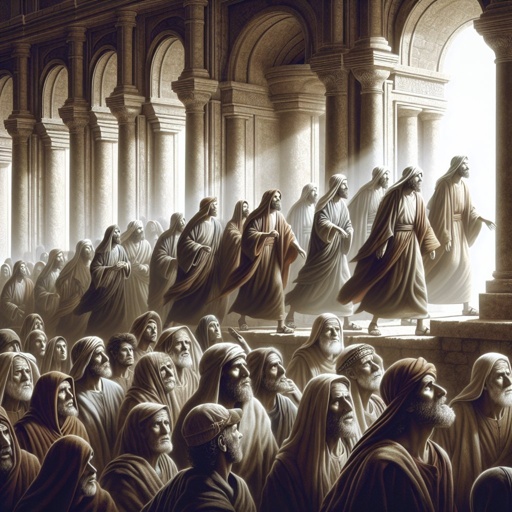
Mark 6:12 - "And they went out, and preached that men should repent."

Mark 7:25 - "For a certain woman, whose young daughter had an unclean spirit, heard of him, and came and fell at his feet:"