What does Mark 13:10 mean?
“And the gospel must first be published among all nations.” — Mark 13:10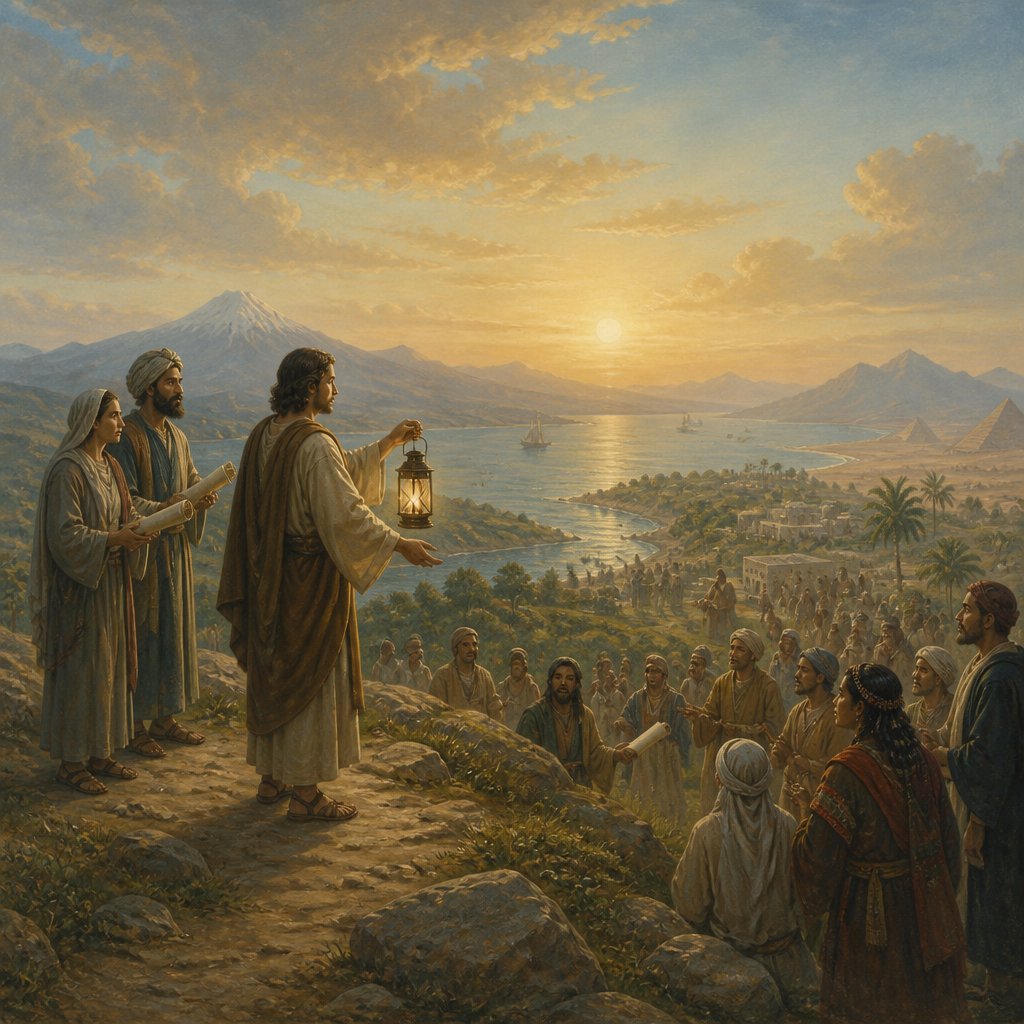
Mark 13:10 in the King James Version of the Bible reads, "And the gospel must first be published among all nations." This verse is found within a chapter often referred to as "The Little Apocalypse," where Jesus speaks to his disciples about the signs of the end times and the importance of remaining vigilant and faithful in the midst of tribulation.
The verse at hand, Mark 13:10, serves as a reminder of the global mission of the gospel. It speaks to the universal offer of salvation through Christ and the mandate for believers to share this message with all people, irrespective of nationality, language, or cultural background. The verse underscores the inclusive nature of the gospel, which is for all nations and all people.
In its broader context, this verse is part of Jesus' response to his disciples' question about the signs that would precede the end of the age. In verses 7-8, Jesus warns his disciples about wars, rumors of wars, and natural disasters that would occur, but he also tells them that these things are just the beginning of birth pains. In other words, they are indicators that the end times are near, but they are not the end in themselves.
Similarly, the publishing of the gospel among all nations is a precursor to the end times, but it also serves a greater purpose. It is a call for believers to actively participate in God's redemptive plan for the world. The fulfillment of this mandate is significant because the gospel not only brings salvation to individuals, but it also serves as a catalyst for transformation at a societal and global level.
The theme of global evangelism and the spread of the gospel to all nations is a recurring motif throughout the Bible. In the Old Testament, God's promise to Abraham was that through his descendants, all the nations of the earth would be blessed (Genesis 12:3). This promise finds its fulfillment in Jesus Christ, who is the ultimate blessing to all nations. In the book of Revelation, John's vision of heaven includes people from every tribe, language, and nation worshiping before the throne of God (Revelation 7:9). This imagery emphasizes the global scope of the gospel and foreshadows its ultimate impact on every corner of the earth.
The symbolism in this verse is evident in the word "published." The Greek word used here is "kēryō," which can also be translated as "proclaimed" or "heralded." This language is reminiscent of the heralds in ancient times who would publicly announce important news or decrees on behalf of kings or rulers. In the same way, the followers of Christ are called to be heralds of the gospel, proclaiming the good news of salvation to the entire world.
Furthermore, the word "nations" in this verse is translated from the Greek word "ethnē," which can also be translated as "Gentiles" or "peoples." This demonstrates that the gospel is not limited to a specific ethnic group or demographic but is intended for every ethnicity and culture on earth.
In conclusion, Mark 13:10 is a powerful reminder of the universal reach of the gospel and the responsibility of believers to share it with all people. It emphasizes the global mission of the church and the transformative impact of the gospel on a worldwide scale. This verse serves as a call to action for believers to actively engage in spreading the good news of salvation to every nation, tribe, and tongue, ultimately playing a part in fulfilling God's redemptive plan for the world.
Get our apps


Artwork for Mark 13:10

Mark 13:10 - "And the gospel must first be published among all nations."
"And the gospel must first be published among all nations." - Mark 13:10

Mark 10:13–16

Mark 10:13 - "¶ And they brought young children to him, that he should touch them: and his disciples rebuked those that brought them."

Mark 10
Mark 10

Mark 10

Mark 10

Mark 13:7

Mark 13:8

Mark 13:8

Mark 13:7

Mark 13:8

Mark 13:7

Mark 2:10

Mark 10:46

Mark 10:31

Mark 10:10 - "And in the house his disciples asked him again of the same matter."
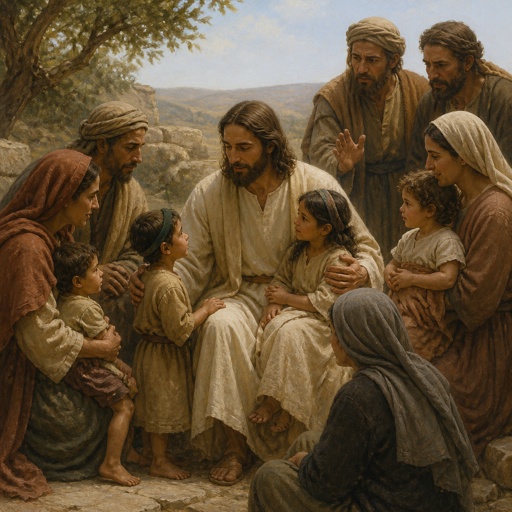
"¶ And they brought young children to him, that he should touch them: and his disciples rebuked those that brought them." - Mark 10:13
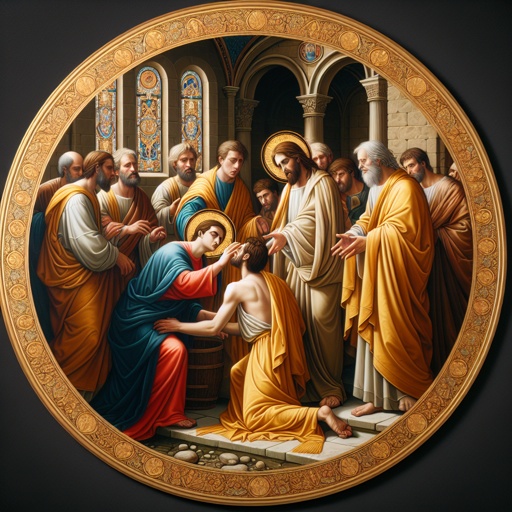
Mark 10:46

Mark 10:46

Mark 13:28-37

Mark 13:28-37

Mark 13:28-37

Mark 13:28-37

Mark 10:35-45

Mark 10:17-30

Mark 10:35-45

Mark 10:17-30

Mark 10:35-45