What does Mark 14:8 mean?
"She hath done what she could: she is come aforehand to anoint my body to the burying." - Mark 14:8
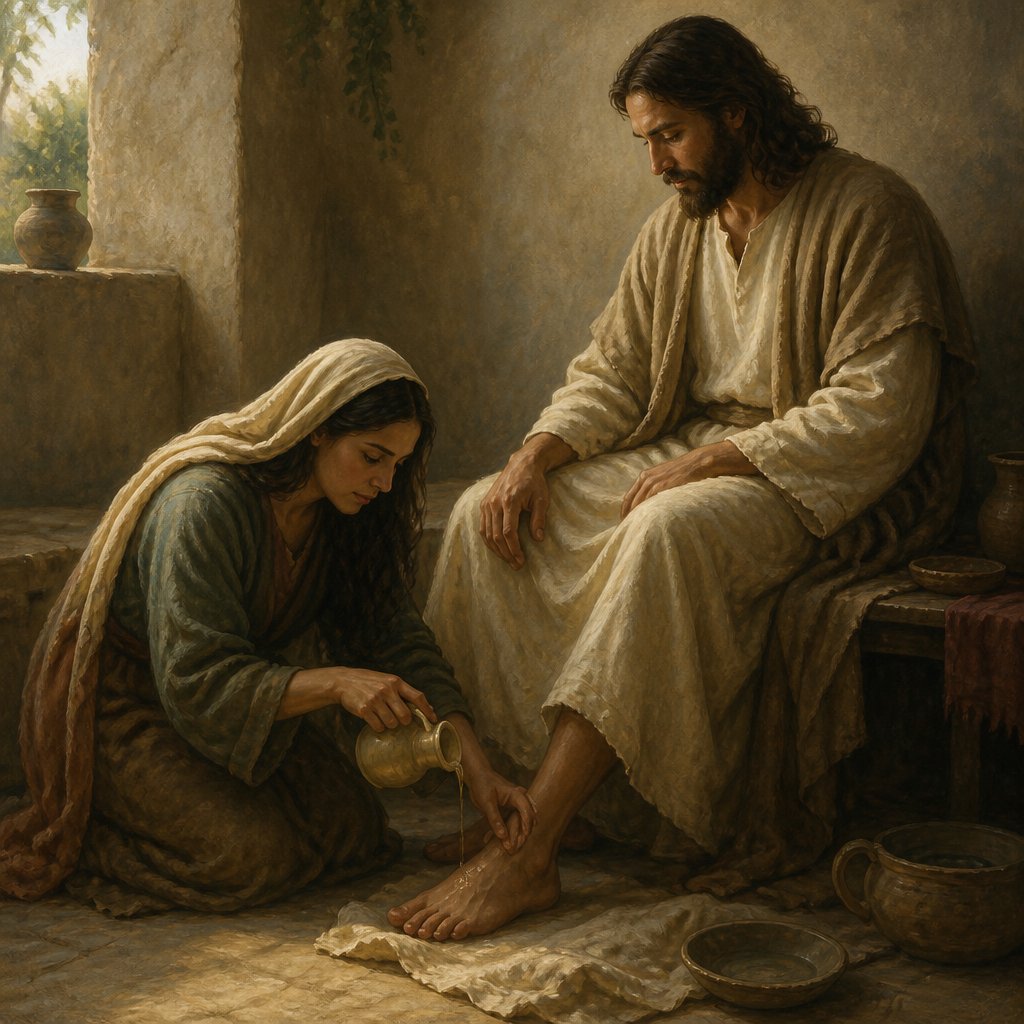
Mark 14:8 in the King James Version of the Bible reads:
"She hath done what she could: she is come aforehand to anoint my body to the burying."
This verse comes from the Gospel of Mark, which is one of the four books in the New Testament that tells the story of Jesus' life, teachings, death, and resurrection. It is important to note that this particular passage is part of the larger narrative of Jesus' final days before his crucifixion. In this specific event, Jesus is having a meal at the house of Simon the leper in Bethany when a woman approaches him with an alabaster box of ointment. She breaks the box and pours the ointment on Jesus' head.
The verse in question is part of Jesus' response to those present, who criticize the woman for what they see as a waste of expensive ointment that could have been sold and the proceeds given to the poor. However, Jesus defends her, saying, "She hath done what she could." He acknowledges the significance of her actions, recognizing that she has anointed his body in preparation for his burial.
One of the central themes of this verse is the concept of sacrifice and devotion. The woman's act of anointing Jesus with costly ointment is a symbol of her deep love and reverence for him. It demonstrates her willingness to give of herself and her possessions in honor of Jesus. In contrast, the disciples' criticism reflects a lack of understanding and appreciation for the magnitude of the impending sacrifice that Jesus will make for humanity. This passage serves as a reminder of the importance of selfless devotion and sacrifice in the Christian faith.
Furthermore, the context of this verse provides insight into the nature of Jesus' impending death and burial. By acknowledging the woman's anointing as a preparation for his burial, Jesus is signaling the inevitability of his impending sacrifice on the cross. This foreshadowing serves to emphasize the significance of Jesus' death and resurrection, which are central tenets of the Christian faith. The woman's act of anointing foreshadows the anointing of Jesus' body following his crucifixion and the discovery of his empty tomb after his resurrection.
Moreover, the symbolism of the ointment itself carries significance in this passage. In biblical times, ointment was often used for anointing and symbolized consecration and dedication. In this context, the woman's act of anointing Jesus with expensive ointment represents her recognition of his divine nature and her commitment to honoring him as the Messiah. Additionally, the concept of burial ointment also connects to the theme of sacrifice, as it foreshadows Jesus' sacrificial death and burial.
In conclusion, Mark 14:8 is a profound and multi-layered verse that offers insights into the themes of sacrifice, devotion, and the impending death and resurrection of Jesus. It serves as a poignant reminder of the importance of selfless devotion and recognition of Jesus' divine nature. The context and symbolism within this passage provide a deeper appreciation for the significance of Jesus' impending sacrifice and the ultimate triumph of his resurrection, which lie at the heart of the Christian faith.
Have questions about Mark 14:8?
Dive deeper into this scripture with Bible Chat — an AI-powered tool for exploring God's Word through conversation. Ask questions, get context, and grow in your understanding of the Bible.
Get Our Apps


Mark 14:8 Artwork

Mark 14:8 - "She hath done what she could: she is come aforehand to anoint my body to the burying."
"She hath done what she could: she is come aforehand to anoint my body to the burying." - Mark 14:8

Mark 8:14 - "¶ Now the disciples had forgotten to take bread, neither had they in the ship with them more than one loaf."

Mark 14:51

Mark 8:35

Mark 8:35

Mark 12:8

Mark 13:8

Mark 13:8

Mark 8:35

Mark 13:8

Mark 8:7

Mark 8:35

Mark 12:8

Mark 2:8
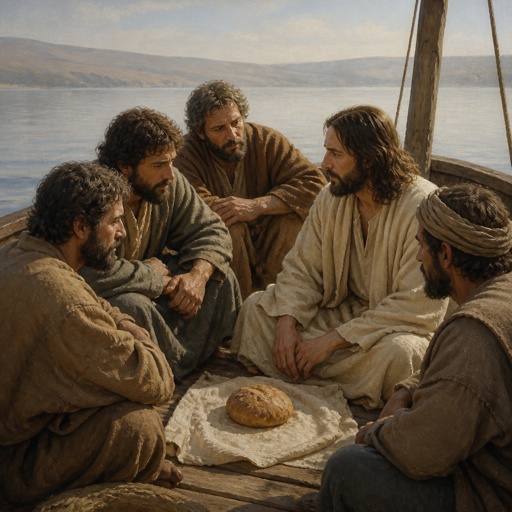
"¶ Now the disciples had forgotten to take bread, neither had they in the ship with them more than one loaf." - Mark 8:14

Mark 4:14 - "¶ The sower soweth the word."

Mark 14:17 - "And in the evening he cometh with the twelve."

Mark 14:50 - "And they all forsook him, and fled."

Mark 8:27 - 35

Mark 8:27 - 35

Mark 16:6-8

Mark 8:27 - 35

Mark 8:27 - 35

Mark 16:6-8

Mark 14:46 - "¶ And they laid their hands on him, and took him."

Mark 16:6-8

Mark 8:27 - 35

Mark 14:59 - "But neither so did their witness agree together."

Mark 14:2 - "But they said, Not on the feast day, lest there be an uproar of the people."