What does Mark 14:10 mean?
“And Judas Iscariot, one of the twelve, went unto the chief priests, to betray him unto them.” — Mark 14:10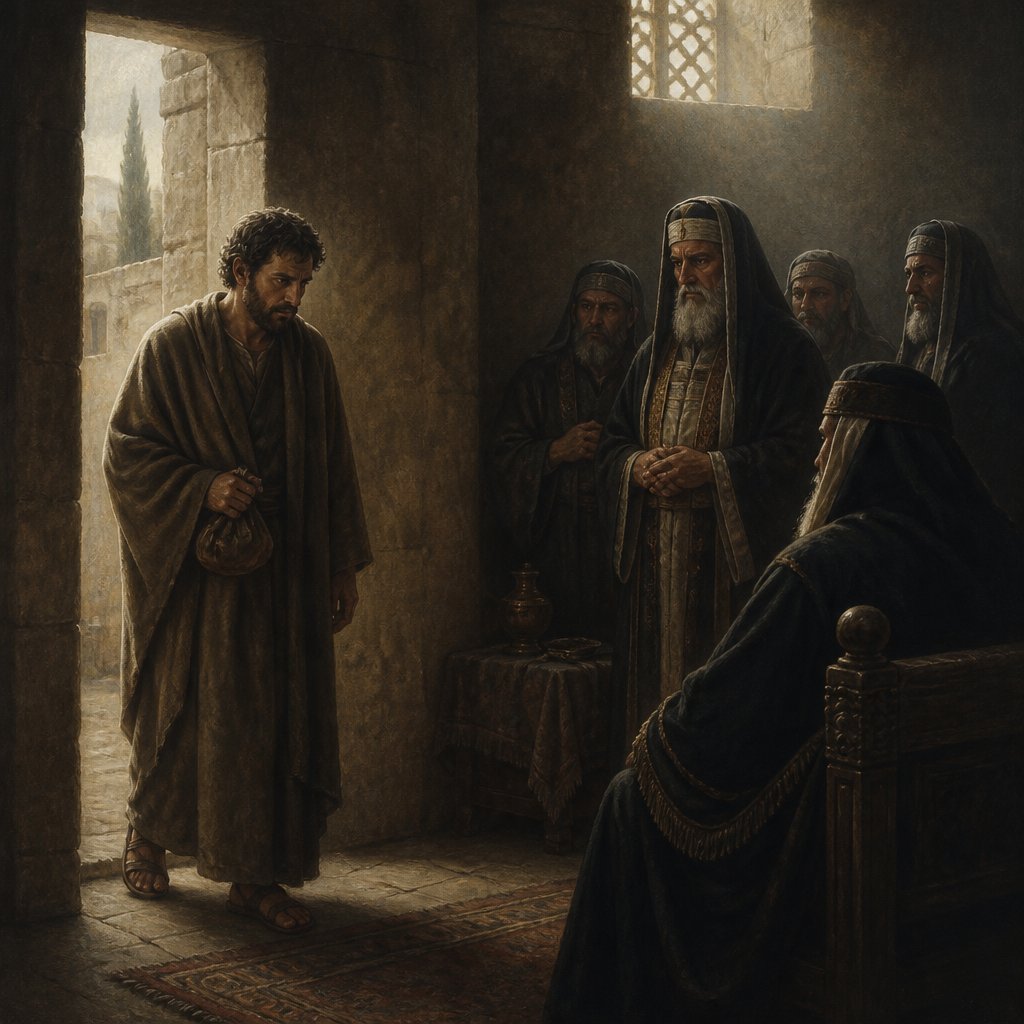
The Bible verse Mark 14:10 states, "And Judas Iscariot, one of the twelve, went unto the chief priests, to betray him unto them." This verse occurs within the larger context of the betrayal of Jesus by Judas Iscariot, which ultimately leads to the crucifixion of Jesus.
In this verse, Judas Iscariot, one of Jesus' twelve disciples, is depicted as going to the chief priests with the intention of betraying Jesus. Judas' act of betrayal is a deeply significant event in the narrative of Jesus' life and ministry, as it sets in motion the events that lead to Jesus' arrest, trial, and crucifixion.
One of the central themes of this verse is the idea of betrayal. Judas' betrayal of Jesus is a profound and painful act of disloyalty, as he hands over his own teacher and friend to those who seek to harm him. This theme of betrayal raises important questions about human nature, the nature of loyalty, and the consequences of our actions. It also serves as a reminder of the moral and ethical implications of our choices, and the potential for our actions to have far-reaching and destructive consequences.
Furthermore, this verse also serves to highlight the larger context of Jesus' impending crucifixion. The fact that Judas' betrayal is the catalyst for Jesus' arrest and eventual death on the cross underscores the significance of this event in the larger narrative of the Christian faith. Jesus' crucifixion is seen as a pivotal moment in the history of salvation, as it is believed to represent the ultimate sacrifice for the redemption of humanity's sins.
In addition to its thematic significance, this verse also holds symbolic meaning within the Christian faith. Judas' act of betrayal is often seen as a symbol of the larger concept of sin and its consequences. Judas' betrayal serves as a powerful reminder of the capacity for human beings to succumb to temptation, greed, and other vices, and the devastating impact that these choices can have on others.
It is also worth noting that this verse raises important questions about the nature of free will and divine providence. While Judas' betrayal is a morally reprehensible act, it is also understood within the Christian tradition as being part of God's larger plan for the redemption of humanity. This tension between human agency and God's sovereignty is a central theological theme in Christianity, and this verse serves as a powerful example of the complexities of this relationship.
Overall, Mark 14:10 is a verse that carries significant thematic, moral, and symbolic weight within the Christian faith. It raises important questions about the nature of betrayal, the consequences of our actions, and the larger theological implications of human free will and divine providence. It also serves as a powerful reminder of the profound significance of Jesus' crucifixion and the redemptive power of his sacrifice.
Get our apps


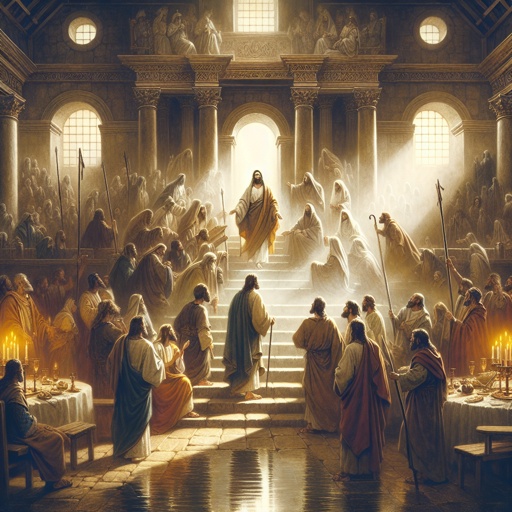
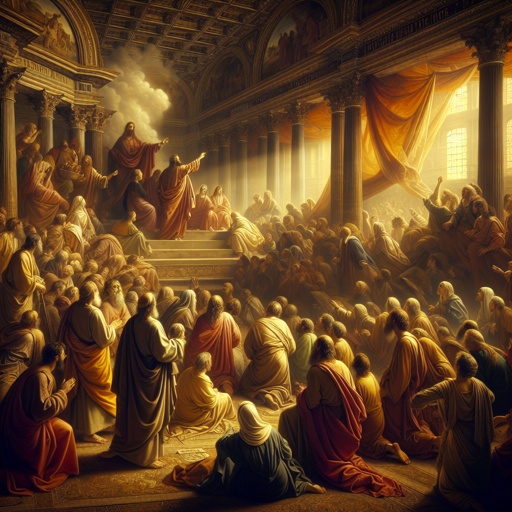
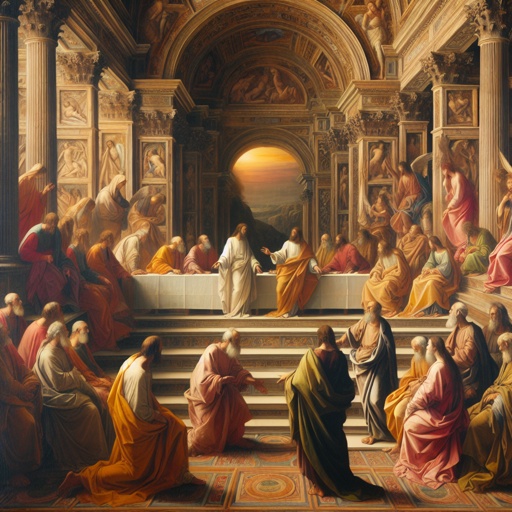
Artwork for Mark 14:10

Mark 14:10 - "¶ And Judas Iscariot, one of the twelve, went unto the chief priests, to betray him unto them."

Mark 14:10-11 - "Then Judas Iscariot, one of the Twelve, went to the chief priests to betray Jesus to them. They were delighted to hear this and promised to give him money. So he watched for an opportunity to hand him over."
"¶ And Judas Iscariot, one of the twelve, went unto the chief priests, to betray him unto them." - Mark 14:10
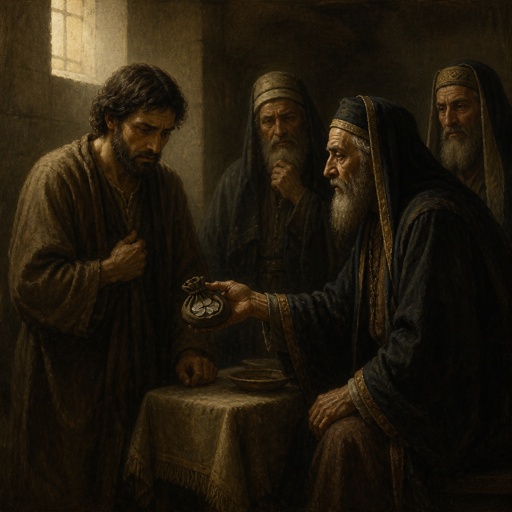
"Then Judas Iscariot, one of the Twelve, went to the chief priests to betray Jesus to them. They were delighted to hear this and promised to give him money. So he watched for an opportunity to hand him over." - Mark 14:10-11

Mark 10:14 - "But when Jesus saw it, he was much displeased, and said unto them, Suffer the little children to come unto me, and forbid them not: for of such is the kingdom of God."
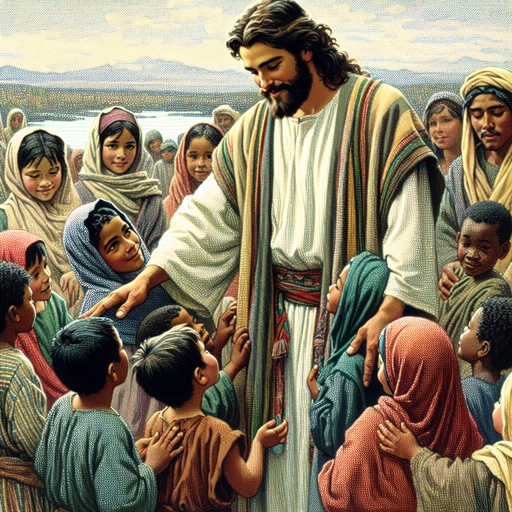
Mark 10:14 (KJVA) 14 But when Jesus saw it, he was much displeased, and said unto them, Suffer the little children to come unto me, and forbid them not: for of such is the kingdom of God.

Mark 10
Mark 10
Mark 10
Mark 10
Mark 14:51

Mark 2:10
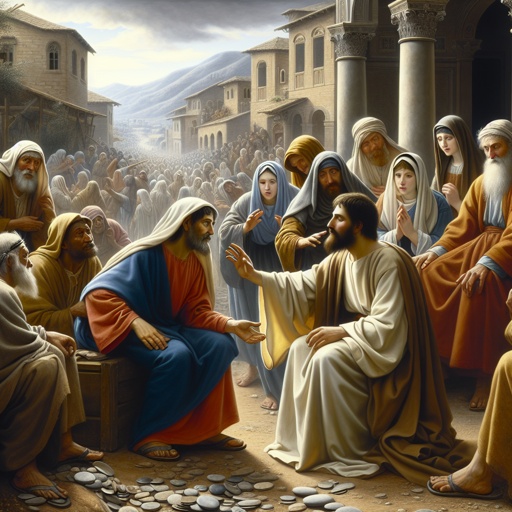
Mark 10:46

Mark 10:31

Mark 10:10 - "And in the house his disciples asked him again of the same matter."
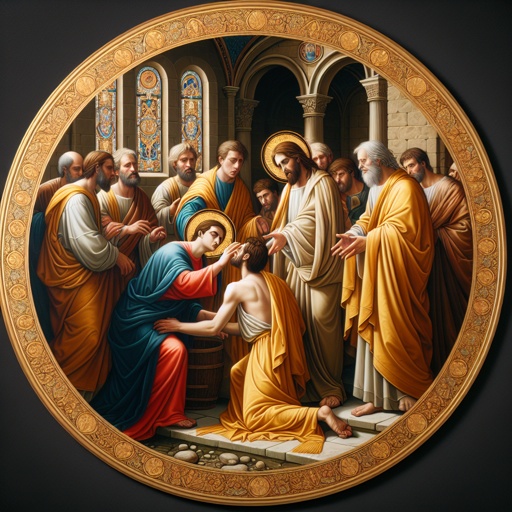
Mark 10:46

Mark 10:46

Mark 4:14 - "¶ The sower soweth the word."

Mark 14:17 - "And in the evening he cometh with the twelve."

Mark 14:50 - "And they all forsook him, and fled."

Mark 10:35-45

Mark 10:17-30

Mark 10:35-45

Mark 10:13–16

Mark 10:17-30

Mark 10:35-45

Mark 10:35-45

Mark 14:46 - "¶ And they laid their hands on him, and took him."

Mark 14:59 - "But neither so did their witness agree together."

Mark 14:2 - "But they said, Not on the feast day, lest there be an uproar of the people."