What does Mark 14:11 mean?
“And when they heard it, they were glad, and promised to give him money. And he sought how he might conveniently betray him.” — Mark 14:11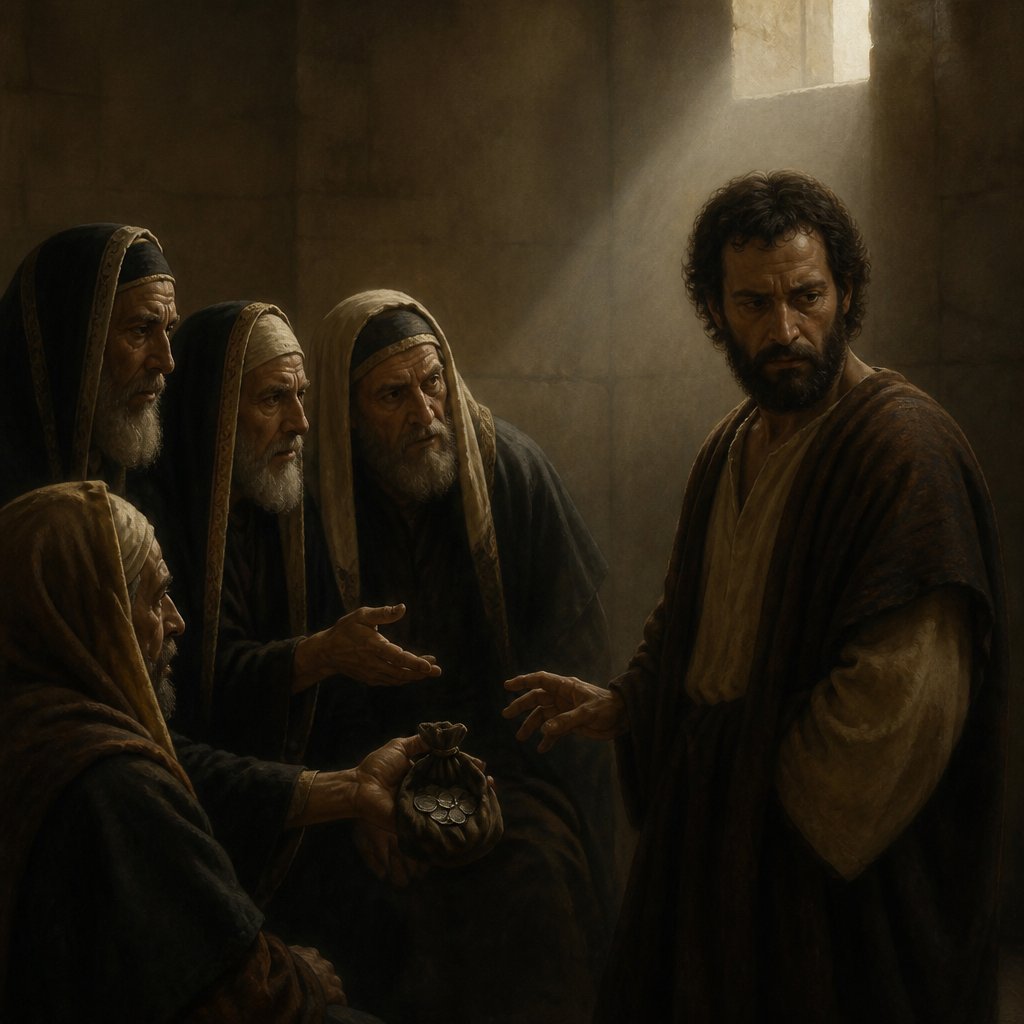
Mark 14:11 (KJV) reads: "And when they heard it, they were glad, and promised to give him money. And he sought how he might conveniently betray him."
This verse is part of the narrative of Judas Iscariot's betrayal of Jesus. In the larger context, this event takes place during the Gospels' retelling of the last days of Jesus' life, leading up to his crucifixion. In the verses leading up to Mark 14:11, Jesus is in Bethany at the house of Simon the leper, where a woman anoints him with costly perfume. Some of the disciples present are indignant at the waste of money, stating that the perfume could have been sold and the money given to the poor. Jesus rebukes them, saying that the woman has done a beautiful thing and that she has anointed him in preparation for his burial.
Following this incident, Judas goes to the chief priests and offers to betray Jesus. It is at this point that Mark 14:11 comes into play. The verse describes the reaction of the chief priests to Judas' proposition and their eagerness to pay him for his betrayal.
The significance of Mark 14:11 lies in its portrayal of greed, betrayal, and the impending betrayal of Jesus. The chief priests' willingness to give Judas money to betray Jesus reveals their contempt and hatred for Jesus, as well as their desire to rid themselves of him. Judas, on the other hand, is motivated by self-interest and greed. He was one of Jesus' closest disciples and yet he was easily swayed by the prospect of financial gain.
The theme of betrayal is central to this verse and to the larger narrative of Jesus' crucifixion. The betrayal of Jesus by one of his own disciples is a significant and poignant moment in the story of Jesus' final days. It underscores the idea of human frailty and the capacity for betrayal, even among those who are closest to us. It also plays into the idea of Jesus' sacrificial love, as he knew that he would be betrayed and yet continued to love and forgive those who would betray him.
The verse also speaks to the broader theme of greed and the corrupting influence of money. Judas' willingness to betray Jesus for a sum of money is a stark reminder of the destructive power of greed. It serves as a cautionary tale about the dangers of placing material wealth above spiritual values and moral integrity.
In terms of symbolism, Mark 14:11 can be seen as representing the clash between worldly desires and spiritual values. Judas' betrayal for money stands in stark contrast to the selfless and sacrificial love that Jesus embodies. The chief priests' eagerness to pay Judas reflects the forces of darkness and opposition that Jesus faced during his earthly ministry.
In conclusion, Mark 14:11 is a pivotal verse in the story of Jesus' betrayal and crucifixion. It encapsulates themes of betrayal, greed, and the clash between worldly desires and spiritual values. It serves as a reminder of the complexities of human nature and the challenges of remaining steadfast in the face of temptation and moral compromise. Ultimately, it points to the redemptive power of Jesus' sacrifice and the enduring message of love and forgiveness that lies at the heart of the Christian faith.
Get our apps


Artwork for Mark 14:11

Mark 14:11 - "And when they heard it, they were glad, and promised to give him money. And he sought how he might conveniently betray him."
"And when they heard it, they were glad, and promised to give him money. And he sought how he might conveniently betray him." - Mark 14:11

Mark 11:14 - "And Jesus answered and said unto it, No man eat fruit of thee hereafter for ever. And his disciples heard it."

Revelation 14:11 - "And the smoke of their torment ascendeth up for ever and ever: and they have no rest day nor night, who worship the beast and his image, and whosoever receiveth the mark of his name."

Mark 14:10-11 - "Then Judas Iscariot, one of the Twelve, went to the chief priests to betray Jesus to them. They were delighted to hear this and promised to give him money. So he watched for an opportunity to hand him over."
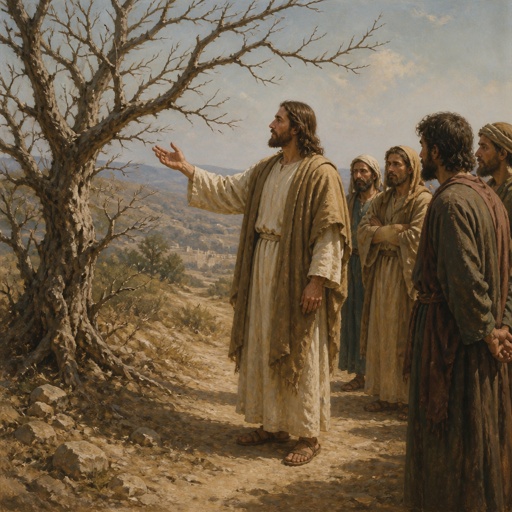
"And Jesus answered and said unto it, No man eat fruit of thee hereafter for ever. And his disciples heard it." - Mark 11:14

Mark 14:51
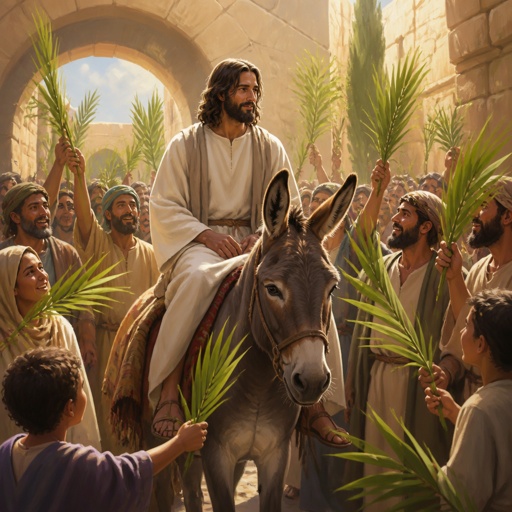
Mark 11:36

Mark 4:14 - "¶ The sower soweth the word."

Mark 14:17 - "And in the evening he cometh with the twelve."

Mark 14:50 - "And they all forsook him, and fled."

Mark 14:46 - "¶ And they laid their hands on him, and took him."

Mark 12:11 - "This was the Lord's doing, and it is marvellous in our eyes?"

african american mark 16:11

Mark 14:59 - "But neither so did their witness agree together."

Mark 14:2 - "But they said, Not on the feast day, lest there be an uproar of the people."

"¶ The sower soweth the word." - Mark 4:14

Mark 11:19 - "And when even was come, he went out of the city."

Mark 14:39 - "And again he went away, and prayed, and spake the same words."

Mark 14:57 - "And there arose certain, and bare false witness against him, saying,"

Mark 14:26 - "¶ And when they had sung an hymn, they went out into the mount of Olives."

Mark 14:66 - "¶ And as Peter was beneath in the palace, there cometh one of the maids of the high priest:"

Mark 14:52 - "And he left the linen cloth, and fled from them naked."

Mark 11:30 - "The baptism of John, was it from heaven, or of men? answer me."
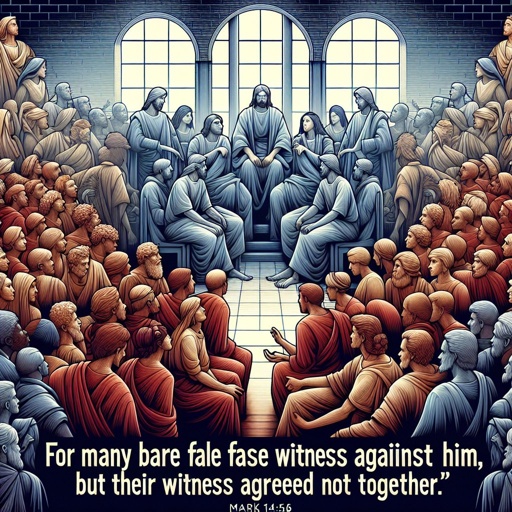
Mark 14:56 - "For many bare false witness against him, but their witness agreed not together."

Nehemiah 11:11-14

Mark 14:14 - "And wheresoever he shall go in, say ye to the goodman of the house, The Master saith, Where is the guestchamber, where I shall eat the passover with my disciples?"

Mark 14:28 - "But after that I am risen, I will go before you into Galilee."

Mark 11:22 - "And Jesus answering saith unto them, Have faith in God."

Mark 11:12 - "¶ And on the morrow, when they were come from Bethany, he was hungry:"