What does Mark 14:2 mean?
“But they said, Not on the feast day, lest there be an uproar of the people.” — Mark 14:2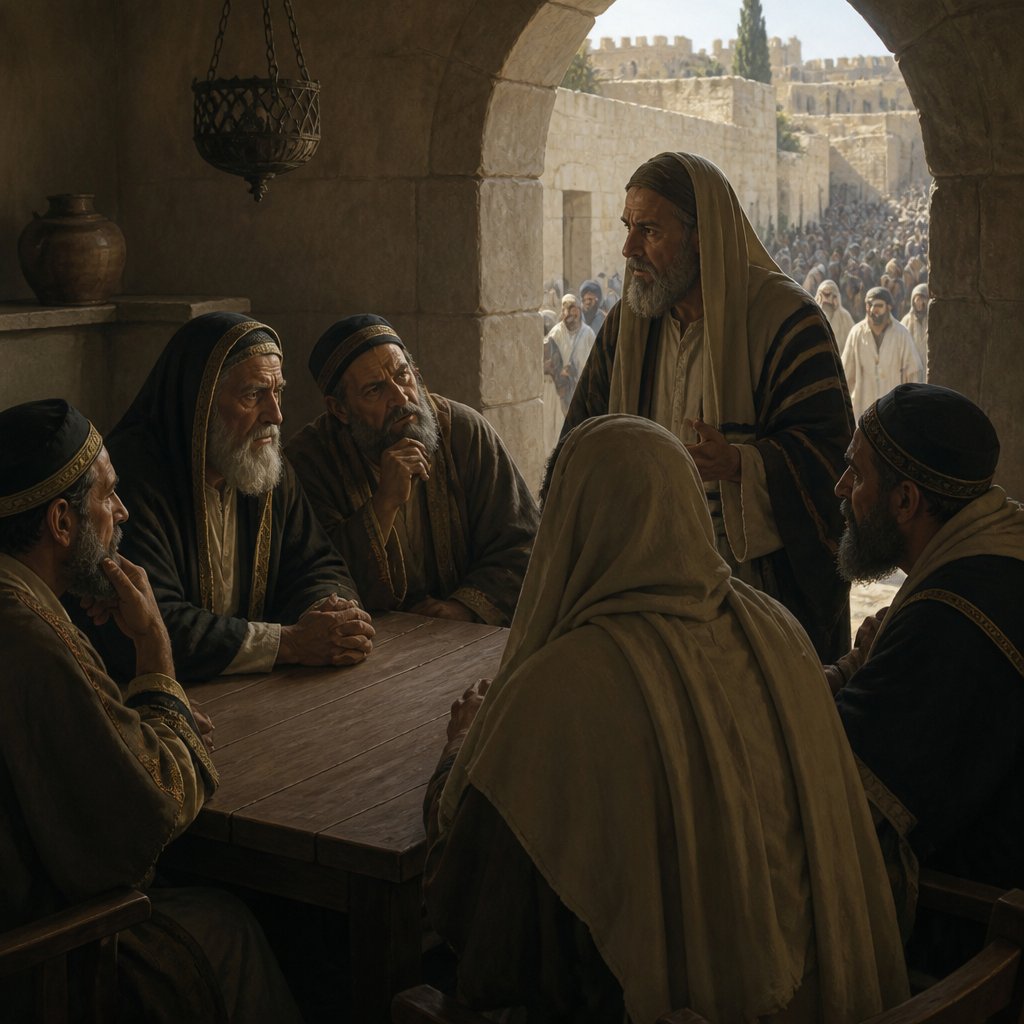
Mark 14:2 (KJV) states, "But they said, Not on the feast day, lest there be an uproar of the people."
This verse takes place during the last days of Jesus’ life, specifically in the context of the events leading up to the crucifixion. As Jesus was sitting at a table in Bethany, a woman came and anointed His head with costly oil. This act of devotion and honor towards Jesus triggered a negative response from some of the disciples, particularly Judas Iscariot, who voiced his disapproval of the act. In response to Judas’ objection, Jesus rebuked him and defended the woman’s actions, stating that it was a beautiful thing she had done for Him. This is the immediate context of Mark 14:2.
The verse itself is significant because it highlights the tension between Jesus and the religious authorities leading up to His crucifixion. In Mark 14:1-2, mention is made of the chief priests and scribes seeking to take Jesus by trickery and put Him to death. However, they were wary of doing so during the feast day, for fear of causing an uproar among the people.
Thematically, this verse speaks to the overarching conflict between the religious leaders and Jesus. On the one hand, Jesus represented a direct challenge to their authority and teachings, calling out their hypocrisy and pointing people towards a relationship with God based on genuine faith and love. On the other hand, the religious leaders were driven by their desire to maintain power and control over the people, which ultimately led them to seek Jesus’ death.
In a broader context, this verse can also be seen as a prophetic foreshadowing of the events that would unfold in the days to come. It points to the reality that Jesus’ crucifixion was not a random act of violence, but a carefully orchestrated plot by those in positions of power to eliminate a perceived threat to their authority.
Symbolically, the mention of the feast day in Mark 14:2 holds significance as well. In Jewish tradition, feast days were meant to be times of celebration and commemoration of God's faithfulness. The fact that the religious leaders were plotting Jesus’ death during such a time underscores the depths of their betrayal and hypocrisy.
Furthermore, the “uproar of the people” that they feared speaks to the volatile political and social climate of the time. The Jewish people were under Roman occupation, and there was a great deal of unrest and underlying tension. The religious leaders were keenly aware of this and sought to avoid inciting any more trouble than necessary.
In a broader spiritual sense, this verse provides a stark contrast between the actions of those driven by self-interest and those driven by genuine devotion and love. The woman who anointed Jesus with the costly oil did so out of a heart overflowing with gratitude and love for Him. In response, Jesus praised her for her act of devotion, contrasting it with the ulterior motives of Judas and the religious leaders.
In conclusion, Mark 14:2 captures a pivotal moment in the events leading up to Jesus’ crucifixion. It serves as a microcosm of the overarching themes of conflict, betrayal, and spiritual devotion that run throughout the entire narrative of Jesus’ final days on earth. This verse serves as a reminder of the timeless battle between true faith and religious hypocrisy, as well as the political and social implications of Jesus’ life and mission. Ultimately, it points towards the redemptive power of love and devotion, as exemplified by the woman who anointed Jesus with her costly oil.
Get our apps


Artwork for Mark 14:2

Mark 14:2 - "But they said, Not on the feast day, lest there be an uproar of the people."
"But they said, Not on the feast day, lest there be an uproar of the people." - Mark 14:2

Mark 2:14 - "And as he passed by, he saw Levi the son of Alphaeus sitting at the receipt of custom, and said unto him, Follow me. And he arose and followed him."
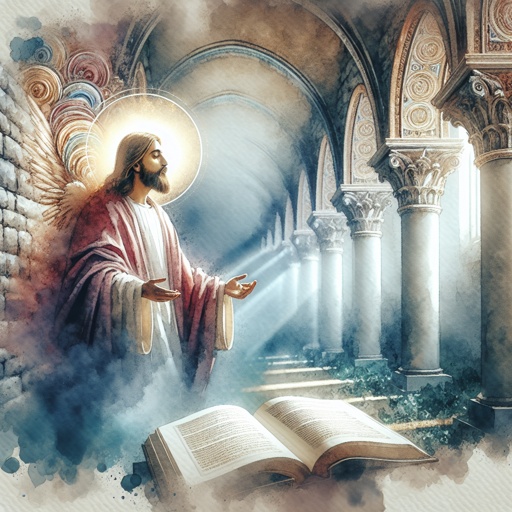
Mark 14:51

Mark 4:14 - "¶ The sower soweth the word."

Mark 14:17 - "And in the evening he cometh with the twelve."

Mark 14:50 - "And they all forsook him, and fled."

Mark 14:46 - "¶ And they laid their hands on him, and took him."

Mark 14:59 - "But neither so did their witness agree together."

"¶ The sower soweth the word." - Mark 4:14

Mark 14:39 - "And again he went away, and prayed, and spake the same words."

Mark 14:57 - "And there arose certain, and bare false witness against him, saying,"

Mark 14:26 - "¶ And when they had sung an hymn, they went out into the mount of Olives."

Mark 14:66 - "¶ And as Peter was beneath in the palace, there cometh one of the maids of the high priest:"

Mark 14:52 - "And he left the linen cloth, and fled from them naked."

Mark 2:2
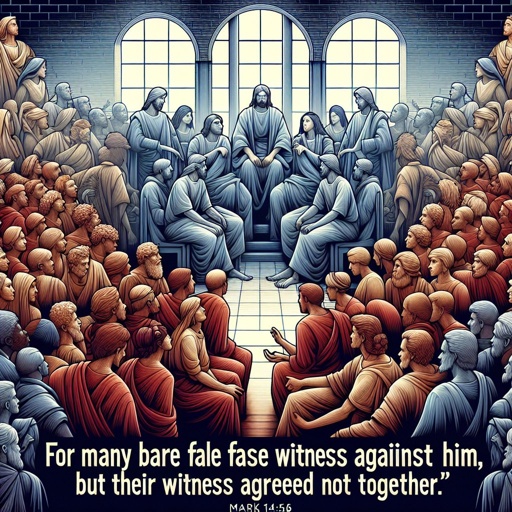
Mark 14:56 - "For many bare false witness against him, but their witness agreed not together."

Mark 14:14 - "And wheresoever he shall go in, say ye to the goodman of the house, The Master saith, Where is the guestchamber, where I shall eat the passover with my disciples?"

Mark 14:28 - "But after that I am risen, I will go before you into Galilee."

"And in the evening he cometh with the twelve." - Mark 14:17

Philippians 3:14 - "I press toward the mark for the prize of the high calling of God in Christ Jesus."

Mark 14:29 - "But Peter said unto him, Although all shall be offended, yet will not I."

"And they all forsook him, and fled." - Mark 14:50

Mark 2

Mark 2

Mark 14:42 - "Rise up, let us go; lo, he that betrayeth me is at hand."

Mark 14:20 - "And he answered and said unto them, It is one of the twelve, that dippeth with me in the dish."

Mark 14:69 - "And a maid saw him again, and began to say to them that stood by, This is one of them."

Mark 3:14 - "And he ordained twelve, that they should be with him, and that he might send them forth to preach,"

Mark 14:19 - "And they began to be sorrowful, and to say unto him one by one, Is it I? and another said, Is it I?"