What does Mark 14:63 mean?
“Then the high priest rent his clothes, and saith, What need we any further witnesses?” — Mark 14:63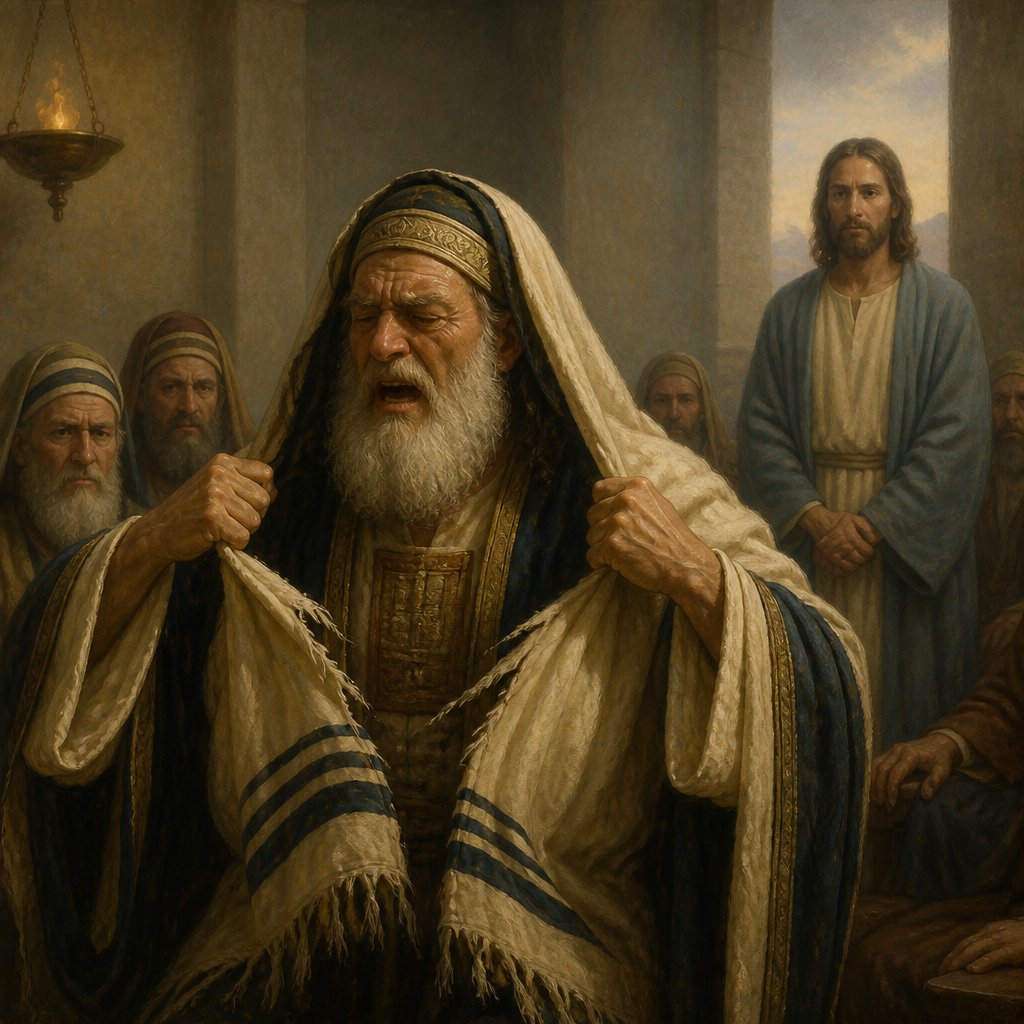
Mark 14:63 (KJV) - "Then the high priest rent his clothes, and saith, What need we any further witnesses?"
In this verse, we witness the high priest performing a symbolic action, tearing his clothes in response to Jesus’ declaration of being the Son of God. This act of tearing one's clothes was a traditional sign of distress or grief in Jewish culture, and it conveyed a powerful message. The high priest's action was a gesture of outrage and disbelief at what he perceived as blasphemy from Jesus. By tearing his clothes, the high priest was not only expressing his shock and horror, but he was also making a public statement about Jesus’ claims and perhaps attempting to sway the opinions of the bystanders. This gesture ultimately serves as a foreshadowing of the high priest's role in the crucifixion of Jesus.
The context of this verse is set in the final hours before Jesus’ crucifixion. He has been arrested, and is now being subjected to a trial before the Jewish religious leaders. The high priest's response comes at a crucial moment in the trial, as Jesus has just acknowledged his identity as the Son of God. The high priest's reaction not only illustrates the religious leaders’ rejection of Jesus' claim, but it also serves as a critical moment in the narrative, leading to the eventual condemnation and crucifixion of Jesus.
Symbolism plays a significant role in this verse, as the tearing of clothes represents a breaking of traditions and norms. It symbolizes the high priest's rejection of Jesus as the Messiah and his condemnation of Jesus’ claims. Furthermore, the tearing of clothes is a visual representation of the high priest's internal turmoil and disbelief at Jesus' words. This symbolic action also serves to foreshadow the tearing of the veil in the temple at the moment of Jesus' death, symbolizing the breaking down of the barrier between humanity and God.
One of the primary themes in this verse is the conflict between faith and doubt. The high priest’s response represents the doubt and rejection of Jesus' identity as the Son of God. This theme is echoed throughout the Bible, and particularly in the Gospels, as Jesus’ claims about his identity were met with skepticism and disbelief from many of the religious leaders and others. Additionally, the theme of power and authority is also evident in this verse. The high priest, as a figure of authority, is using his position to condemn Jesus and assert his own power over the situation.
In a broader sense, this verse speaks to the larger narrative of Jesus’ trial and crucifixion. It highlights the opposition and condemnation that Jesus faced from the religious leaders of his time, and it sets the stage for the events that will ultimately lead to his crucifixion. The tearing of the high priest's clothes not only signifies a pivotal moment in Jesus’ trial, but it also serves as a symbol of the religious leaders’ rejection of Jesus and his teachings.
In conclusion, Mark 14:63 (KJV) captures a crucial moment in the final hours of Jesus’ life, as the high priest’s symbolic gesture of tearing his clothes reflects the rejection and condemnation of Jesus’ claims. This verse showcases the themes of faith and doubt, power and authority, and the broader conflict between Jesus and the religious establishment. It sets the stage for the events that will ultimately lead to Jesus' crucifixion and serves as a powerful moment in the narrative of Jesus’ trial and ultimate sacrifice.
Get our apps


Artwork for Mark 14:63
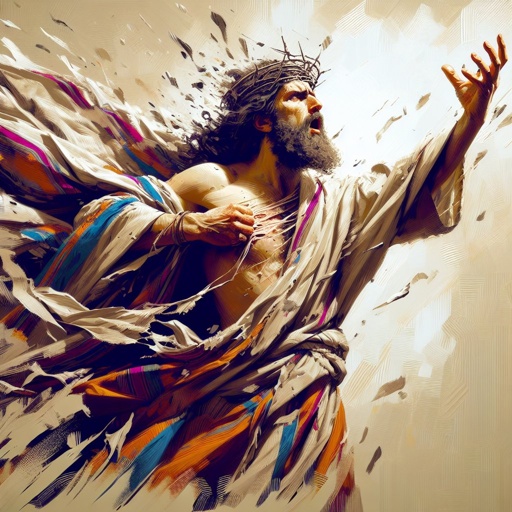
Mark 14:63 - "Then the high priest rent his clothes, and saith, What need we any further witnesses?"
"Then the high priest rent his clothes, and saith, What need we any further witnesses?" - Mark 14:63

Isaiah 63:14 - "As a beast goeth down into the valley, the Spirit of the LORD caused him to rest: so didst thou lead thy people, to make thyself a glorious name."
Mark 14:51

Mark 4:14 - "¶ The sower soweth the word."

Mark 14:17 - "And in the evening he cometh with the twelve."

Mark 14:50 - "And they all forsook him, and fled."

Mark 14:46 - "¶ And they laid their hands on him, and took him."

Mark 14:59 - "But neither so did their witness agree together."

Mark 14:2 - "But they said, Not on the feast day, lest there be an uproar of the people."

"¶ The sower soweth the word." - Mark 4:14

Mark 14:39 - "And again he went away, and prayed, and spake the same words."

Mark 14:57 - "And there arose certain, and bare false witness against him, saying,"

Mark 14:26 - "¶ And when they had sung an hymn, they went out into the mount of Olives."

Mark 14:66 - "¶ And as Peter was beneath in the palace, there cometh one of the maids of the high priest:"

Mark 14:52 - "And he left the linen cloth, and fled from them naked."
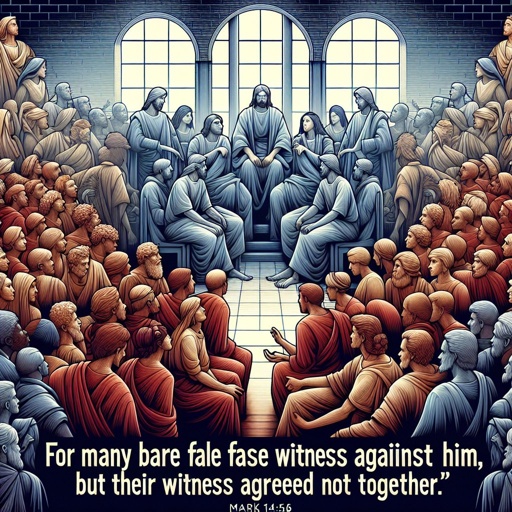
Mark 14:56 - "For many bare false witness against him, but their witness agreed not together."

Mark 14:14 - "And wheresoever he shall go in, say ye to the goodman of the house, The Master saith, Where is the guestchamber, where I shall eat the passover with my disciples?"

Mark 14:28 - "But after that I am risen, I will go before you into Galilee."

"And in the evening he cometh with the twelve." - Mark 14:17

Philippians 3:14 - "I press toward the mark for the prize of the high calling of God in Christ Jesus."

Mark 14:29 - "But Peter said unto him, Although all shall be offended, yet will not I."

"And they all forsook him, and fled." - Mark 14:50

Mark 14:42 - "Rise up, let us go; lo, he that betrayeth me is at hand."

Mark 14:20 - "And he answered and said unto them, It is one of the twelve, that dippeth with me in the dish."

Mark 14:69 - "And a maid saw him again, and began to say to them that stood by, This is one of them."

Mark 3:14 - "And he ordained twelve, that they should be with him, and that he might send them forth to preach,"

Mark 14:19 - "And they began to be sorrowful, and to say unto him one by one, Is it I? and another said, Is it I?"

Mark 14:24 - "And he said unto them, This is my blood of the new testament, which is shed for many."

Mark 14:33 - "And he taketh with him Peter and James and John, and began to be sore amazed, and to be very heavy;"