What does Mark 14:9 mean?
“Verily I say unto you, Wheresoever this gospel shall be preached throughout the whole world, this also that she hath done shall be spoken of for a memorial of her.” — Mark 14:9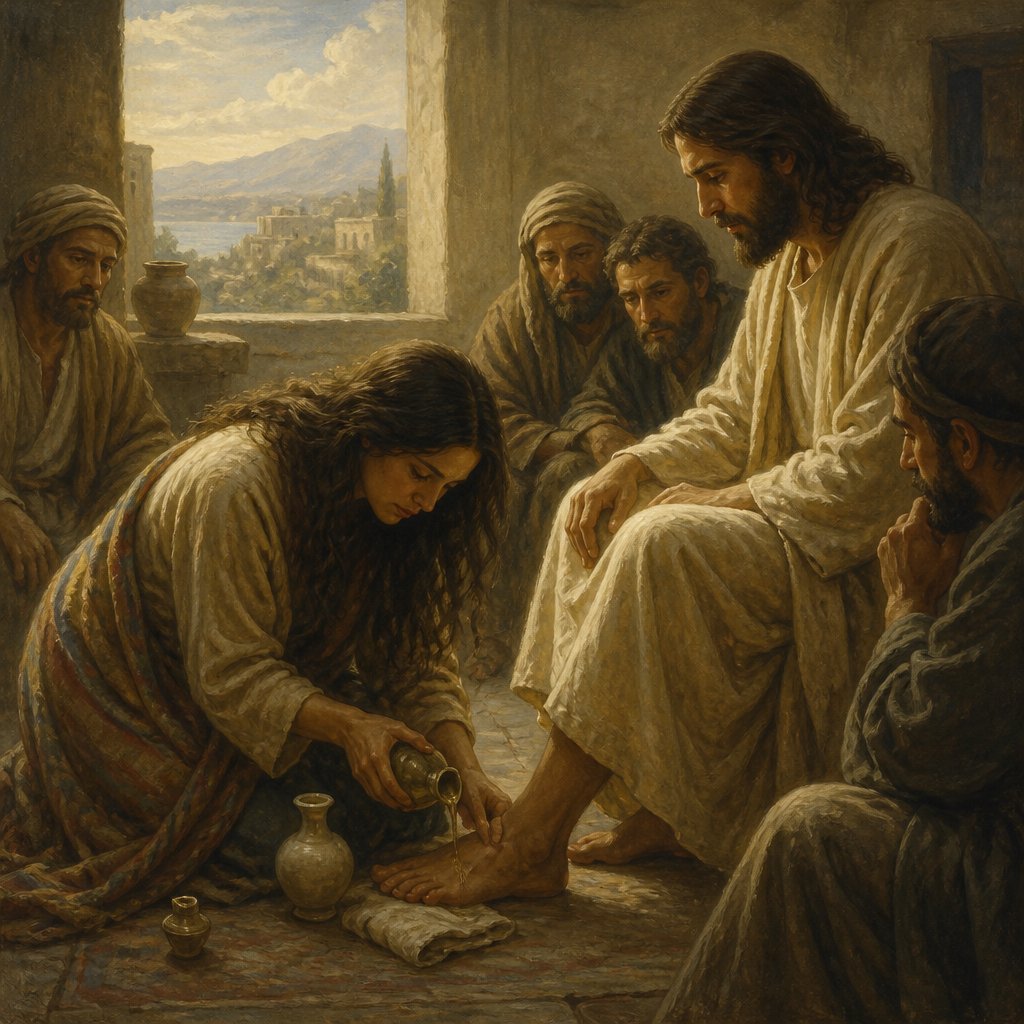
The Bible verse Mark 14:9 in the King James Version (KJV) states, "Verily I say unto you, wheresoever this gospel shall be preached throughout the whole world, this also that she hath done shall be spoken of for a memorial of her." This verse occurs in the context of a story where a woman pours expensive ointment on Jesus' head at the house of Simon the leper. In response to the criticism of those present, Jesus defends the woman's action, commending her for her act of devotion and emphasizing the significance of her actions.
The theme of devotion and sacrifice is central to this verse. The woman's act of pouring expensive ointment on Jesus' head is an extravagant and selfless expression of love and dedication to Him. Her actions symbolize the deep devotion and sacrifice that true disciples of Christ are called to display. The verse emphasizes the idea that true discipleship involves wholehearted commitment and willingness to sacrifice for the sake of Christ and His gospel. The woman's actions provide a powerful example for believers, inspiring them to demonstrate their love for Jesus through acts of devotion and sacrifice.
The verse also speaks to the global impact of the woman's actions. Jesus declares that wherever the gospel is preached throughout the whole world, the woman's deed will be spoken of as a memorial to her. This highlights the enduring significance and influence of acts of devotion and sacrifice in the spread of the gospel. The woman's actions serve as a lasting testimony to the power of love and dedication in advancing the message of Christ. Her act of devotion becomes a part of the ongoing narrative of the gospel, serving as a reminder to believers of the transformative impact of sacrificial love.
In addition to its themes of devotion and sacrifice, this verse also carries a message of honor and recognition. Jesus affirms the value of the woman's actions, ensuring that her deed will be remembered and spoken of for all time. This underscores the importance of recognizing and honoring the sacrificial acts of devotion performed by believers. It serves as a reminder that God sees and acknowledges the heartfelt offerings of His people, and that their acts of love and sacrifice are not in vain. The verse encourages believers to take heart in the knowledge that their acts of devotion are seen and celebrated by God, and that they have a lasting impact in the broader narrative of the gospel.
Symbolically, the woman's actions and the ensuing declaration by Jesus serve as a powerful representation of the transformative power of sacrificial love. Her act of pouring expensive ointment on Jesus' head not only symbolizes her personal devotion, but also serves as a foreshadowing of Christ's upcoming sacrifice on the cross. It underscores the idea that love and sacrifice are central to the gospel message, and that they have the power to bring about profound and lasting change in the world.
Overall, Mark 14:9 in the King James Version encapsulates themes of devotion, sacrifice, recognition, and the transformative power of love. It serves as a reminder to believers of the significance of acts of personal devotion and sacrifice, and their enduring impact on the spread of the gospel. The verse offers a powerful example of the kind of love and commitment that Christ calls His followers to embody, and it emphasizes the lasting significance of such acts in the broader narrative of the gospel.
Get our apps


Artwork for Mark 14:9

Mark 14:9 - "Verily I say unto you, Wheresoever this gospel shall be preached throughout the whole world, this also that she hath done shall be spoken of for a memorial of her."
"Verily I say unto you, Wheresoever this gospel shall be preached throughout the whole world, this also that she hath done shall be spoken of for a memorial of her." - Mark 14:9

Mark 9:14 - "¶ And when he came to his disciples, he saw a great multitude about them, and the scribes questioning with them."

Revelation 14:9 - "And the third angel followed them, saying with a loud voice, If any man worship the beast and his image, and receive his mark in his forehead, or in his hand,"
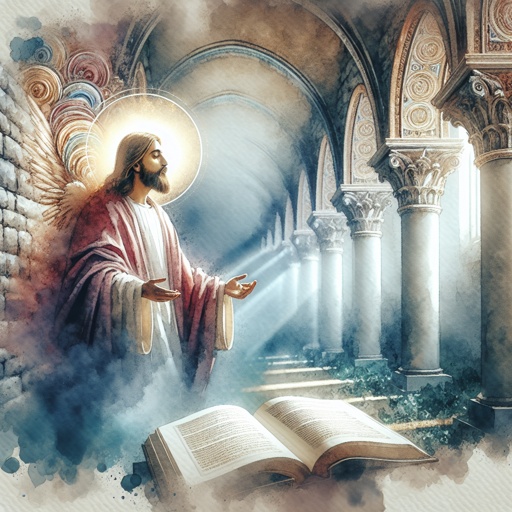
Mark 14:51

Mark 9:2 Show only 4 people Show a mountain area According to Mark 9:2

Mark 2:9
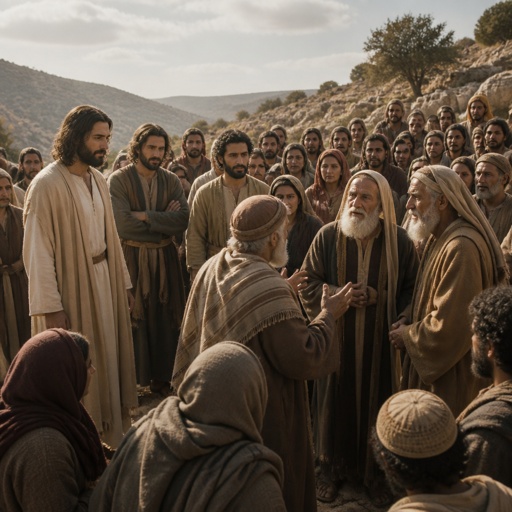
"¶ And when he came to his disciples, he saw a great multitude about them, and the scribes questioning with them." - Mark 9:14

Mark 9:2 Show only 4 people and one of them is Jesus Show a mountain area According to Mark 9:2

Mark 9:38

Mark 2:9

Mark 4:14 - "¶ The sower soweth the word."

Mark 14:17 - "And in the evening he cometh with the twelve."

Mark 14:50 - "And they all forsook him, and fled."

Mark 9:36-37

Mark 14:46 - "¶ And they laid their hands on him, and took him."

Mark 9:48 - "Where their worm dieth not, and the fire is not quenched."

Mark 6:9 - "But be shod with sandals; and not put on two coats."

Mark 14:59 - "But neither so did their witness agree together."

Mark 14:2 - "But they said, Not on the feast day, lest there be an uproar of the people."

Mark 9:40 - "For he that is not against us is on our part."

Mark 9:46 - "Where their worm dieth not, and the fire is not quenched."

Mark 9:44 - "Where their worm dieth not, and the fire is not quenched."

"¶ The sower soweth the word." - Mark 4:14

Mark 14:39 - "And again he went away, and prayed, and spake the same words."

Mark 14:57 - "And there arose certain, and bare false witness against him, saying,"

Mark 9:32 - "But they understood not that saying, and were afraid to ask him."

Mark 14:26 - "¶ And when they had sung an hymn, they went out into the mount of Olives."

Mark 14:66 - "¶ And as Peter was beneath in the palace, there cometh one of the maids of the high priest:"

Mark 14:52 - "And he left the linen cloth, and fled from them naked."