What does Mark 16:4 mean?
“And when they looked, they saw that the stone was rolled away: for it was very great.” — Mark 16:4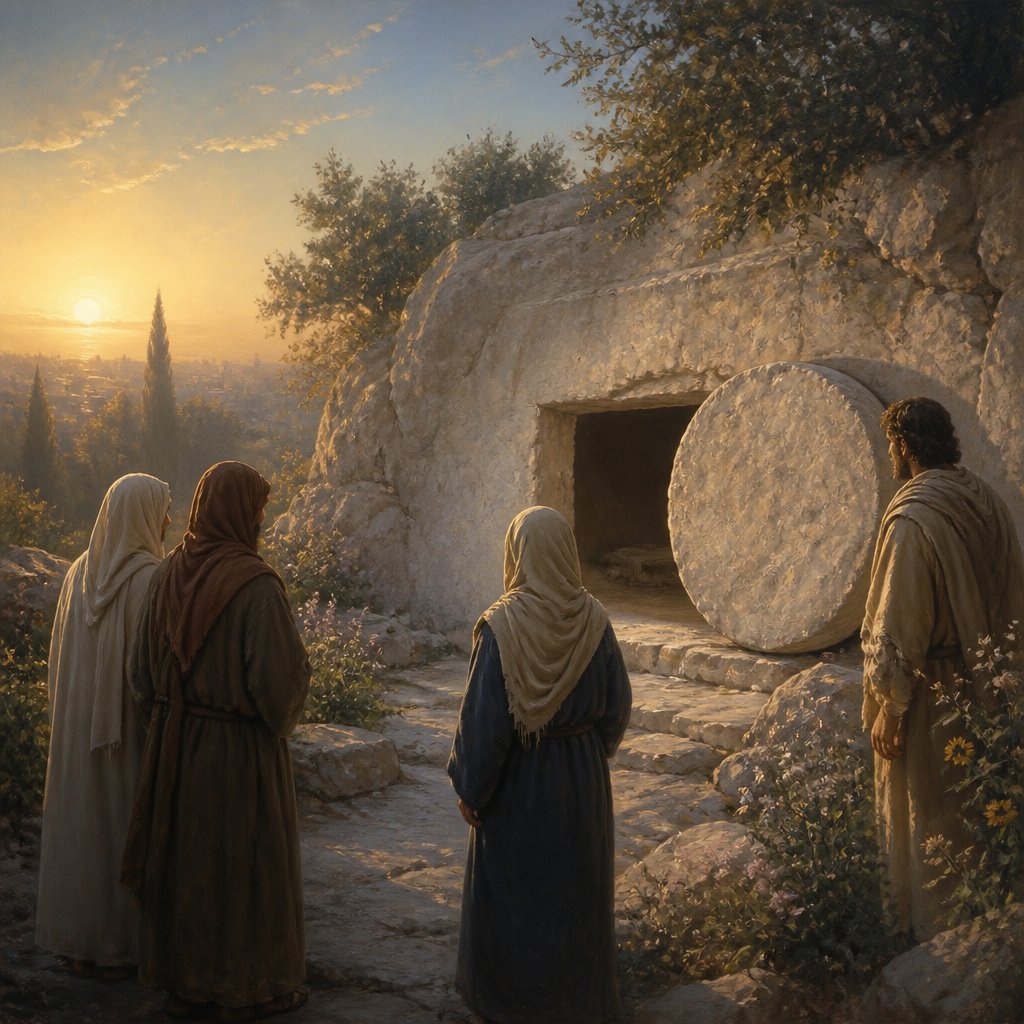
Mark 16:4 in the King James Version of the Bible reads, "And when they looked, they saw that the stone was rolled away: for it was very great." This verse is a part of the resurrection account of Jesus Christ, and it holds great significance in the Christian faith.
The context of this verse is set in the early morning of the first day of the week, just after the Sabbath. Mary Magdalene, Mary the mother of James, and Salome had come to the tomb of Jesus to anoint his body with spices. They were worried about how they would move the large stone that sealed the entrance to the tomb. However, when they arrived, they were surprised to see that the stone had already been rolled away.
The significance of this verse lies in the fact that the stone being rolled away symbolizes the triumph of Jesus over death. In the Jewish burial practice of that time, a large stone was typically placed at the entrance of the tomb to seal it. The fact that the stone had been rolled away signified the miraculous nature of Jesus' resurrection. It also serves as a visual representation of the power of God and the fulfillment of Jesus' promises.
The themes present in this verse are faith, hope, and the victory of life over death. The fact that the stone was rolled away shows that God's power is greater than any obstacle, and that even death itself holds no power over those who believe in Christ. This theme of victory over death is central to the Christian faith and serves as a source of hope and comfort for believers.
The symbolism of the stone being rolled away also holds a deeper spiritual meaning. In the Bible, the imagery of a stone often represents obstacles, barriers, or sin that separates individuals from God. When the stone is rolled away, it signifies the removal of these barriers and the restoration of the relationship between God and humanity. It symbolizes the access to the presence of God and the freedom from the bondage of sin.
Furthermore, the rolling away of the stone serves as a powerful symbol of the resurrection of Jesus, which is the cornerstone of the Christian faith. The empty tomb signifies that Jesus is not dead, but alive, and it validates his claim of being the Son of God. It is a testament to the fulfillment of prophecies and the ultimate victory of Jesus over sin and death.
In a broader theological context, the rolling away of the stone also represents the opening of the way to eternal life for all believers. Through Jesus' resurrection, the barrier of death has been removed, and those who put their faith in him have the assurance of resurrection and eternal life. This hope of a future resurrection is a central tenet of Christian belief and provides believers with comfort and confidence in the face of mortality.
In conclusion, Mark 16:4 holds great theological, symbolic, and spiritual significance in the Christian faith. It serves as a powerful reminder of the victory of Jesus over death, the restoration of the relationship between God and humanity, and the hope of eternal life for believers. The image of the stone being rolled away is a powerful symbol of God's power, the fulfillment of prophecy, and the source of hope and comfort for Christians. This verse is a cornerstone of the Christian faith, and its message continues to resonate with believers around the world.
Get our apps


Artwork for Mark 16:4

Mark 16:4-5

Mark 16:4-5

Mark 16:4-5

Mark 16:4 - "And when they looked, they saw that the stone was rolled away: for it was very great."
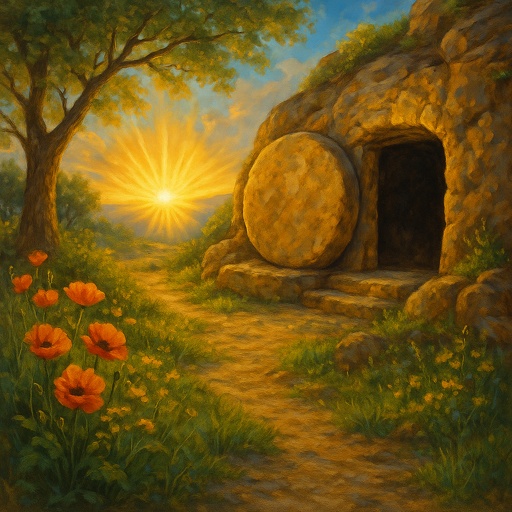
"And when they looked, they saw that the stone was rolled away: for it was very great." - Mark 16:4
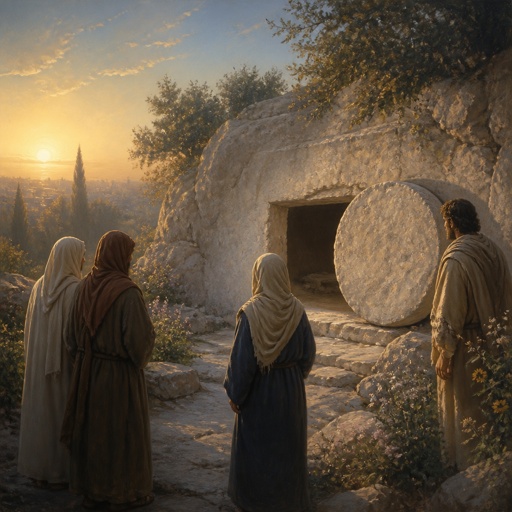
"And when they looked, they saw that the stone was rolled away: for it was very great." - Mark 16:4
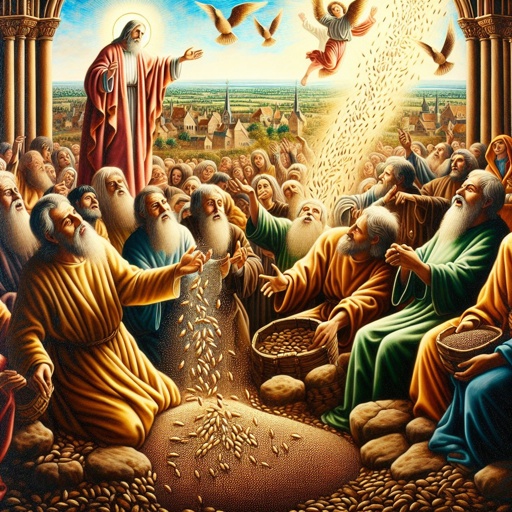
Mark 4:16 - "And these are they likewise which are sown on stony ground; who, when they have heard the word, immediately receive it with gladness;"

Galatians 4:16 - "Am I therefore become your enemy, because I tell you the truth?"

Mark 16:20
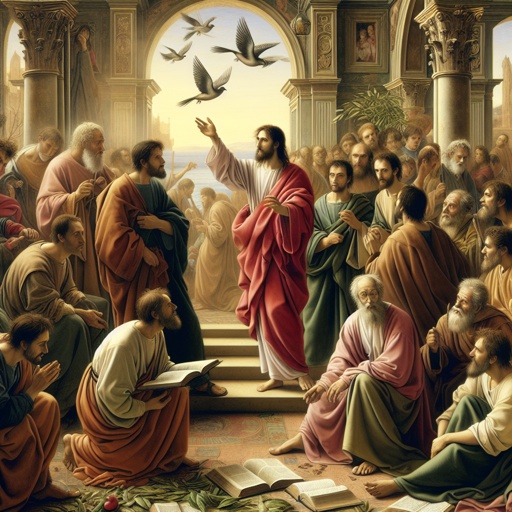
Mark 16:20

Mark 16:20
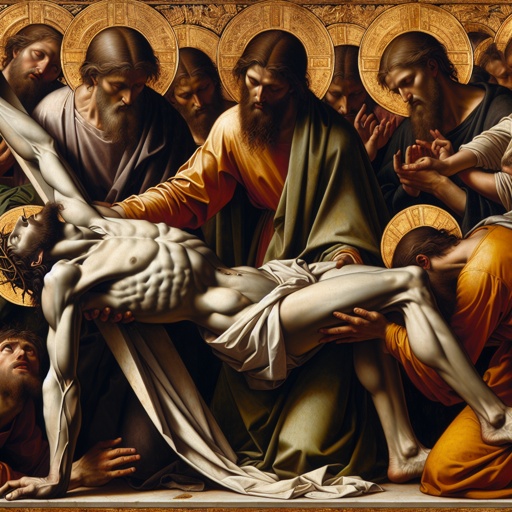
Mark 16:20

Mark 16:20
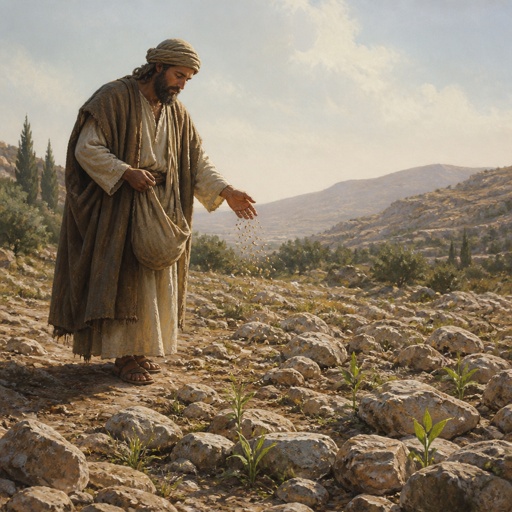
"And these are they likewise which are sown on stony ground; who, when they have heard the word, immediately receive it with gladness;" - Mark 4:16

Mark 16:1-2

Mark 16:6-8

Mark 16:6-8

Mark 10:13–16

Mark 16:6-8

Mark 3:16 - "And Simon he surnamed Peter;"

african american mark 16:11

mark 2:4

mark 2:4

mark 2:4

mark 2:4

Mark 4:41

mark 2:4

Mark 4:41

Mark 4:41

Mark 2:4