What does Mark 1:12 mean?
“And immediately the Spirit driveth him into the wilderness.” — Mark 1:12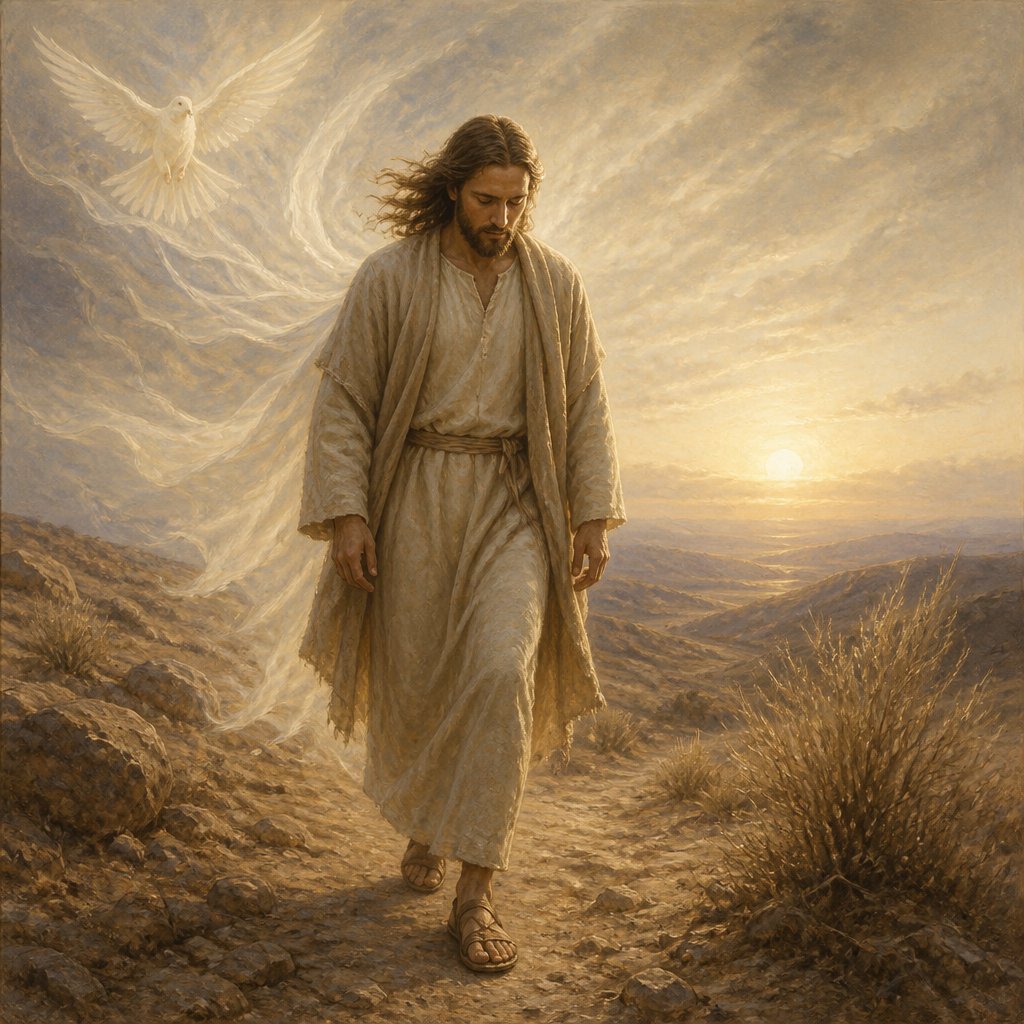
The verse Mark 1:12 in the King James Version of the Bible reads, "And immediately the spirit driveth him into the wilderness." This particular verse is a pivotal moment in the Gospel of Mark, which marks the beginning of Jesus' public ministry. It is essential to examine this verse in its broader context to fully understand its meaning and significance.
In the preceding verses, we find Jesus being baptized by John the Baptist in the Jordan River. As Jesus emerges from the water, the heavens open, the Holy Spirit descends upon him like a dove, and a voice from heaven declares, "Thou art my beloved Son, in whom I am well pleased" (Mark 1:11). This event marks the official commissioning of Jesus for his earthly ministry and establishes his identity as the Son of God.
Immediately following his baptism, the Spirit leads Jesus into the wilderness. This time in the wilderness is a crucial period of preparation for Jesus as he is about to embark on his ministry. The wilderness is often symbolic of a place of testing, trial, and spiritual growth. In the Bible, it is where many significant events and interactions with God occurred, such as the Israelites' journey in the wilderness and the temptation of Jesus.
The wilderness experience of Jesus is reminiscent of the forty years that the Israelites spent in the wilderness before entering the Promised Land. This parallel serves to emphasize Jesus as the new and greater Moses, leading God's people out of bondage and into a new covenant relationship with God. Like Moses, Jesus spends a period of time in the wilderness, facing temptations and tests before beginning his ministry.
The wilderness is a place of solitude and deprivation, which allows for a deepening of one's relationship with God. It is a place where distractions are removed, and the individual is left to wrestle with their own thoughts, emotions, and spiritual battles. For Jesus, this time in the wilderness serves as a period of preparation, purification, and empowerment as he is equipped to face the challenges and temptations that lie ahead.
The verse also emphasizes the role of the Holy Spirit in Jesus' life and ministry. It is the Spirit that drives Jesus into the wilderness, symbolizing the divine guidance and empowerment that he receives for the task ahead. Throughout the Gospels, the Holy Spirit is portrayed as a constant companion and source of strength for Jesus, enabling him to perform miracles, teach with authority, and endure the suffering that he would face.
The wilderness experience of Jesus also serves as a model for his followers. It highlights the importance of solitude, prayer, and spiritual preparation before undertaking significant tasks or facing trials and tribulations. It is a reminder that in our own lives, we may need to withdraw from the busyness of the world to seek God's presence and guidance, especially during times of difficulty or transition.
In conclusion, Mark 1:12 is a significant verse that sets the stage for Jesus' public ministry. It symbolizes a period of spiritual preparation, empowerment, and testing for Jesus as he begins his earthly ministry. It serves as a model for believers to seek solitude, prayer, and reliance on the Holy Spirit in times of trial and preparation. The verse emphasizes the divine guidance and empowerment that Jesus receives from the Holy Spirit, which sustains him throughout his ministry.
Get our apps


Artwork for Mark 1:12

Mark 1:12 - "And immediately the Spirit driveth him into the wilderness."
"And immediately the Spirit driveth him into the wilderness." - Mark 1:12

mark 2:1-12

Mark 2:1-12

Mark 1:2 - "As it is written in the prophets, Behold, I send my messenger before thy face, which shall prepare thy way before thee."

Mark 12:8

Mark 12:8

Mark 15:12

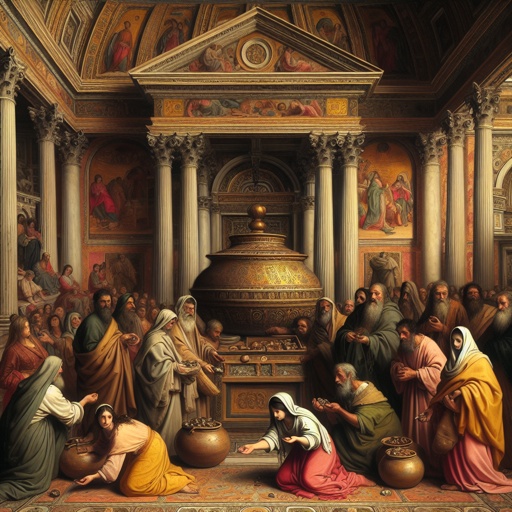
Mark 12:41 - 44
Mark 12:41 - 44

Mark 12:41 - 44

Mark 12:41 - 44

Mark 12:41 - 44

Mark 12:11 - "This was the Lord's doing, and it is marvellous in our eyes?"

Mark 12:1 - "And he began to speak unto them by parables. A certain man planted a vineyard, and set an hedge about it, and digged a place for the winefat, and built a tower, and let it out to husbandmen, and went into a far country."

Mark 12:39 - "And the chief seats in the synagogues, and the uppermost rooms at feasts:"
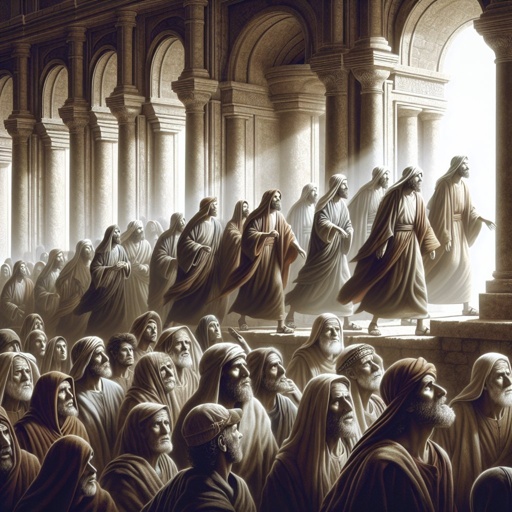
Mark 6:12 - "And they went out, and preached that men should repent."
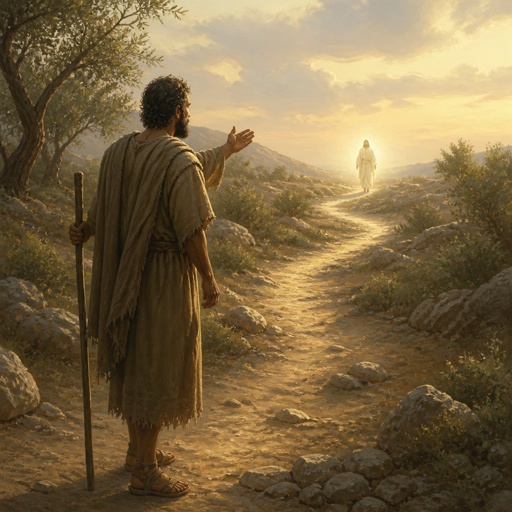
"As it is written in the prophets, Behold, I send my messenger before thy face, which shall prepare thy way before thee." - Mark 1:2

Mark 3:12 - "And he straitly charged them that they should not make him known."

Mark 12:3 - "And they caught him, and beat him, and sent him away empty."

Acts 12:12 - "And when he had considered the thing, he came to the house of Mary the mother of John, whose surname was Mark; where many were gathered together praying."

Mark 12:12 - "And they sought to lay hold on him, but feared the people: for they knew that he had spoken the parable against them: and they left him, and went their way."

Mark 11:12 - "¶ And on the morrow, when they were come from Bethany, he was hungry:"

Mark 12:8 - "And they took him, and killed him, and cast him out of the vineyard."

Lamentations 3:12 - "He hath bent his bow, and set me as a mark for the arrow."

Hosea 1:2-11;2:14;3:5

Mark 12:18 - "¶ Then come unto him the Sadducees, which say there is no resurrection; and they asked him, saying,"

Mark 12:13 - "¶ And they send unto him certain of the Pharisees and of the Herodians, to catch him in his words."

Mark 12:22 - "And the seven had her, and left no seed: last of all the woman died also."

Mark 12:27 - "He is not the God of the dead, but the God of the living: ye therefore do greatly err."