What does Mark 1:23 mean?
“And there was in their synagogue a man with an unclean spirit; and he cried out,” — Mark 1:23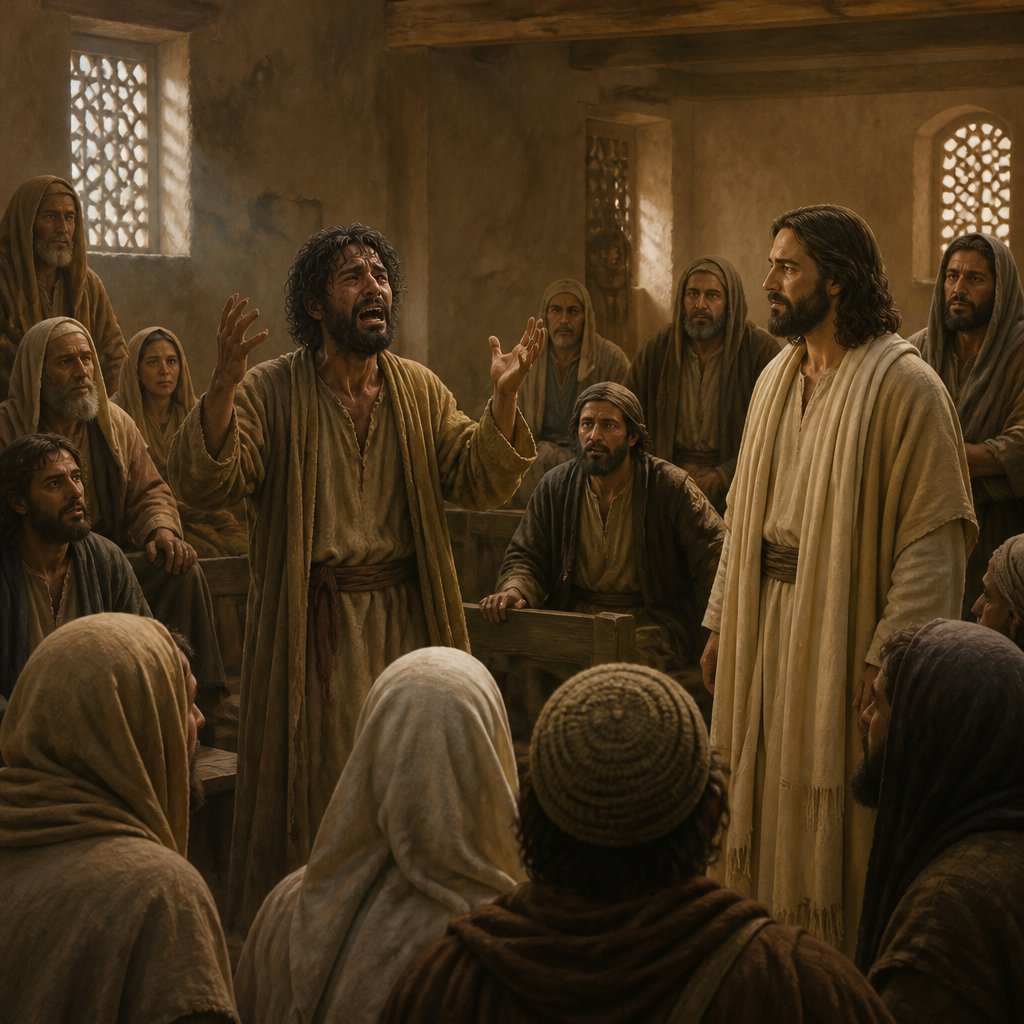
The verse Mark 1:23 from the King James Version of the Bible reads: "And there was in their synagogue a man with an unclean spirit; and he cried out." This verse is a brief but significant moment in the Gospel of Mark, and it holds several layers of meaning and symbolism that are worth exploring.
First and foremost, this verse speaks to the pervasive presence of evil in the world. The man with an unclean spirit represents the forces of darkness and negativity that exist within humanity. This unclean spirit could manifest as sin, addiction, mental illness, or any other form of spiritual malaise. By including this story in his Gospel, Mark is highlighting the fact that even in the most sacred of places (in this case, a synagogue), darkness can still find a foothold. This serves as a sobering reminder that the struggle between good and evil is an ongoing and ever-present reality.
The fact that the man cried out is also significant. This action suggests that the unclean spirit within him was not dormant or passive, but rather active and tormenting. His cry could also be seen as a desperate plea for help, as if the man himself was unable to control or suppress the unclean spirit that had taken hold of him. This can be interpreted as a metaphor for the inner turmoil and suffering that comes from being under the influence of evil.
Furthermore, the presence of the man with an unclean spirit in the synagogue points to the clash between the sacred and the profane. The synagogue, as a place of worship and spiritual practice, represents all that is pure and holy. The intrusion of the man with an unclean spirit into this space represents the disruption and defilement of the sacred by the unholy. This serves as a powerful reminder that even the most holy and consecrated spaces are not immune to the influence of evil.
In a broader context, this verse sets the stage for the ministry of Jesus as a healer and exorcist. The subsequent verses in the Gospel of Mark describe how Jesus cast out the unclean spirit from the man, thereby demonstrating his authority over the forces of darkness. This act of exorcism serves as a powerful symbol of the power of God to overcome evil and cleanse the human soul. It also foreshadows the ultimate triumph of good over evil through the redemptive work of Jesus Christ.
Symbolically, the man with an unclean spirit can also be seen as a representation of all those who are afflicted by spiritual, emotional, or psychological distress. His presence in the synagogue serves as a reminder of the need for compassion, understanding, and healing within the faith community. This story challenges us to confront the reality of suffering and turmoil within ourselves and others, and to seek out the transformative power of God's grace and love.
In conclusion, Mark 1:23 is a verse that carries profound spiritual and symbolic weight. It serves as a stark reminder of the ongoing struggle between good and evil, the vulnerability of sacred spaces to defilement, and the power of God to overcome darkness. It also challenges us to confront and address the inner turmoil and suffering that exists within ourselves and others. Ultimately, this verse points to the redemptive and transformative power of God's love, and the hope of liberation from spiritual bondage and affliction.
Get our apps


Artwork for Mark 1:23

Mark 1:23 - "And there was in their synagogue a man with an unclean spirit; and he cried out,"

"And there was in their synagogue a man with an unclean spirit; and he cried out," - Mark 1:23

Mark 15:23 - "And they gave him to drink wine mingled with myrrh: but he received it not."

Mark 7:23 - "All these evil things come from within, and defile the man."

Mark 4:23 - "If any man have ears to hear, let him hear."

Mark 13:23 - "But take ye heed: behold, I have foretold you all things."

Mark 9:23 - "Jesus said unto him, If thou canst believe, all things are possible to him that believeth."

Mark 14:23 - "And he took the cup, and when he had given thanks, he gave it to them: and they all drank of it."

Mark 12:23 - "In the resurrection therefore, when they shall rise, whose wife shall she be of them? for the seven had her to wife."

Mark 3:23 - "And he called them unto him, and said unto them in parables, How can Satan cast out Satan?"

Mark 6:23 - "And he sware unto her, Whatsoever thou shalt ask of me, I will give it thee, unto the half of my kingdom."

Mark 2:23 - "And it came to pass, that he went through the corn fields on the sabbath day; and his disciples began, as they went, to pluck the ears of corn."

Mark 10:23 - "¶ And Jesus looked round about, and saith unto his disciples, How hardly shall they that have riches enter into the kingdom of God!"
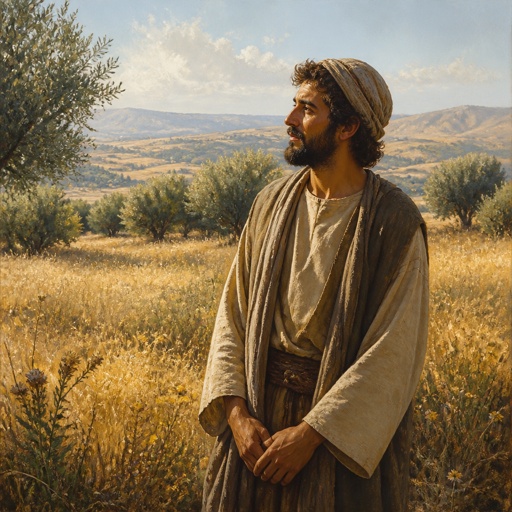
"If any man have ears to hear, let him hear." - Mark 4:23
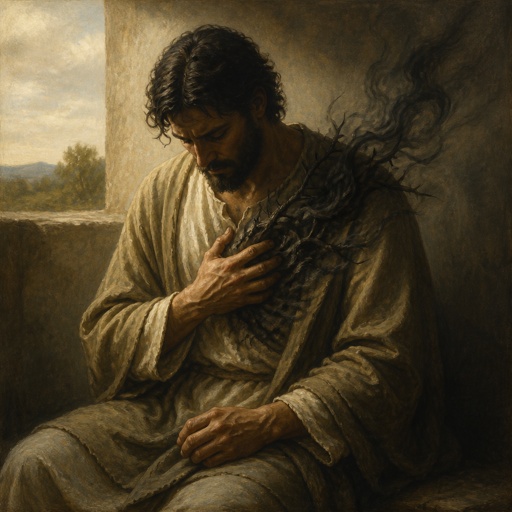
"All these evil things come from within, and defile the man." - Mark 7:23
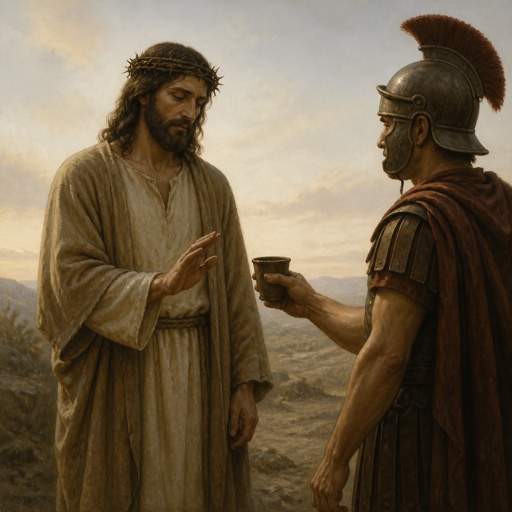
"And they gave him to drink wine mingled with myrrh: but he received it not." - Mark 15:23

Book of Mark in the Bible. Just with the word “Mark” in a Bible. No person or animal in the image

Mark 2:1

"Jesus said unto him, If thou canst believe, all things are possible to him that believeth." - Mark 9:23
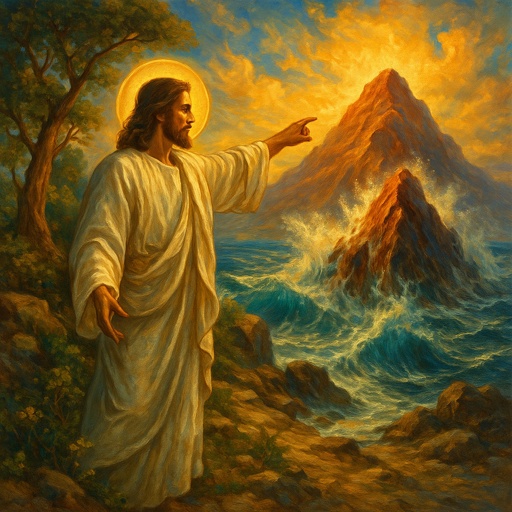
"For verily I say unto you, That whosoever shall say unto this mountain, Be thou removed, and be thou cast into the sea; and shall not doubt in his heart, but shall believe that those things which he saith shall come to pass; he shall have whatsoever he saith." - Mark 11:23

Mark 2:1

Mark 1:1 - "The beginning of the gospel of Jesus Christ, the Son of God;"

Mark 2:4
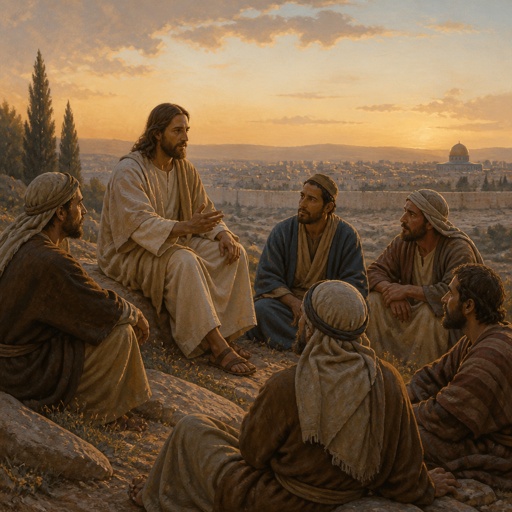
"But take ye heed: behold, I have foretold you all things." - Mark 13:23

Mark 6:1-6

mark 2:1-12

Mark 10:13–16

Mark 2:1-12

Mark 16:1-2
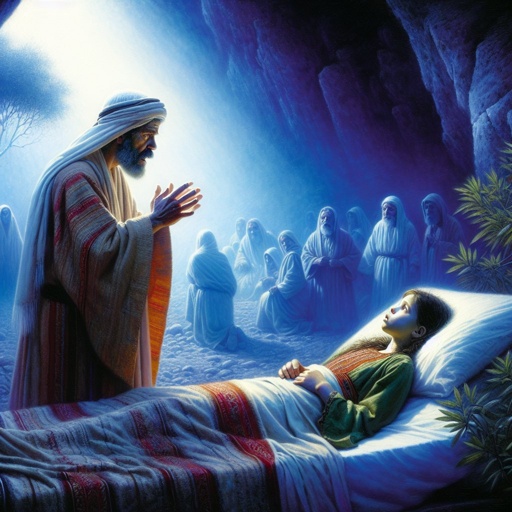
Mark 5:23 - "And besought him greatly, saying, My little daughter lieth at the point of death: I pray thee, come and lay thy hands on her, that she may be healed; and she shall live."