What does Mark 2:16 mean?
"And when the scribes and Pharisees saw him eat with publicans and sinners, they said unto his disciples, How is it that he eateth and drinketh with publicans and sinners?" - Mark 2:16
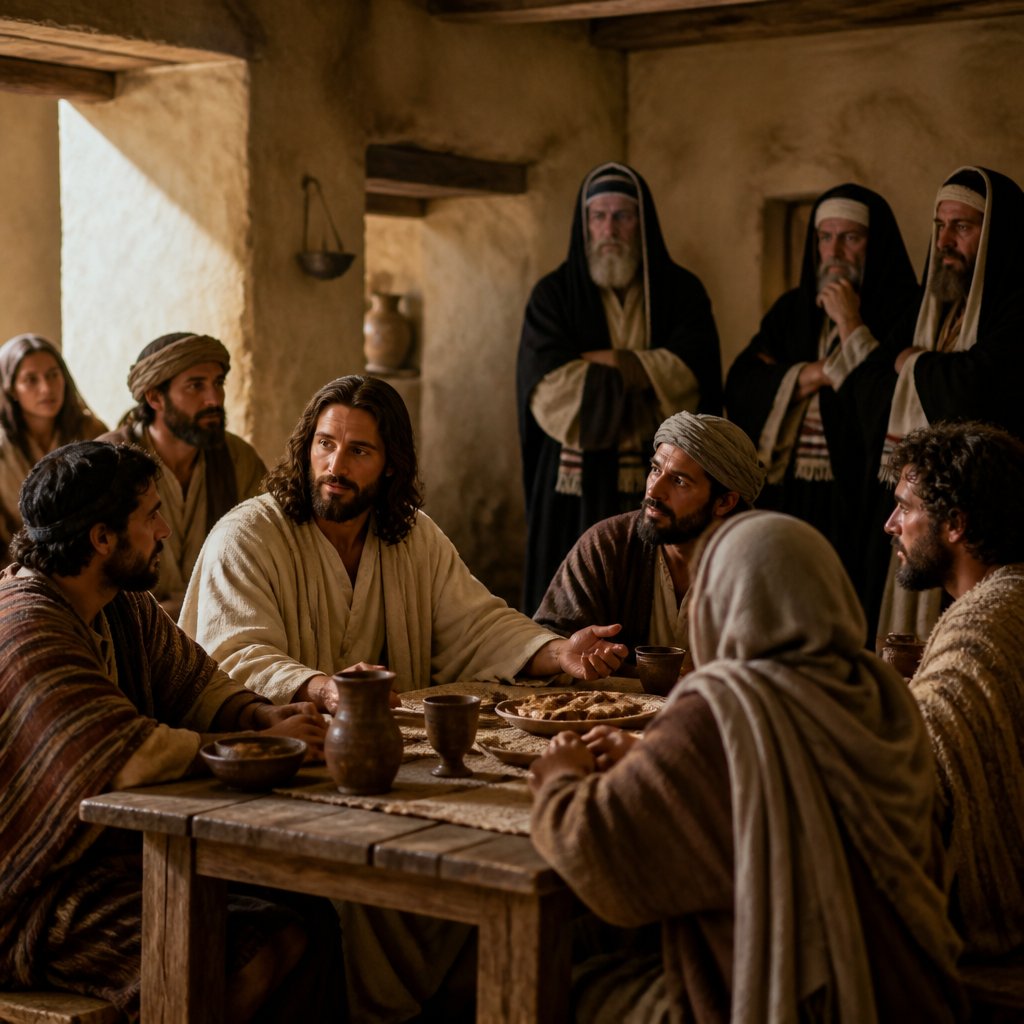
Mark 2:16 in the King James Version of the Bible states, "And when the scribes and Pharisees saw him eat with publicans and sinners, they said unto his disciples, How is it that he eateth and drinketh with publicans and sinners?" This verse comes from the Gospel of Mark, which is the second book of the New Testament and is one of the four Gospels that tell the story of Jesus Christ.
In this verse, we see Jesus being criticized by the scribes and Pharisees for eating with tax collectors and sinners. The scribes and Pharisees were religious leaders who prided themselves on their strict adherence to the law and their status as righteous individuals. They were perplexed and even scandalized by the fact that Jesus, who they believed to be a teacher and prophet, would associate with those they deemed to be morally impure.
One of the key themes in this verse is the idea of Jesus' inclusive ministry. Throughout the Gospels, Jesus consistently reaches out to those who are marginalized and overlooked by society. He demonstrates a radical love and acceptance for all, regardless of their social status or past mistakes. This challenges the religious norms of the time and shows that God's kingdom is open to all who seek it, regardless of their past.
Another important theme in this verse is the concept of religious hypocrisy. The scribes and Pharisees prided themselves on their religious piety and moral superiority, yet their response to Jesus' actions reveals their tendency to judge and condemn others. In doing so, they overlook the importance of compassion, mercy, and forgiveness, which are central to Jesus' teachings.
This verse raises important questions about the nature of judgment and the role of religious leaders. It challenges us to examine our own attitudes towards those who may be considered outsiders or "sinners" in our own communities. It reminds us that God's love extends to all and calls us to demonstrate that same love and acceptance to others.
The context of this verse is important to understand the significance of Jesus' actions. In the verses leading up to this, Jesus has called Levi, a tax collector, to be one of his disciples. He then attends a meal at Levi's house, where he shares a table with other tax collectors and sinners. This is a radical act for the time, as tax collectors were despised by the Jewish people for their collaboration with the Roman authorities and their tendency to exploit their own people.
By eating with tax collectors and sinners, Jesus is not only breaking social norms but also challenging religious expectations. He is demonstrating that the kingdom of God is not limited to those who appear righteous on the outside, but is open to all who seek reconciliation and forgiveness.
In terms of symbolism, the act of eating together carries great significance in the Bible. It symbolizes fellowship, unity, and acceptance. By sharing a meal with tax collectors and sinners, Jesus is symbolically demonstrating his desire to build community and extend grace to those who may feel unworthy.
Overall, Mark 2:16 is a powerful and thought-provoking verse that challenges our assumptions and calls us to examine our own attitudes and actions towards those who may be considered outcasts or sinners. It reminds us of the radical inclusivity of Jesus' ministry and his call to love and accept all people. It also serves as a cautionary tale about the dangers of religious hypocrisy and judgment. This verse continues to be relevant today, challenging us to embody the love and compassion that Jesus demonstrated in his interactions with others.
Have questions about Mark 2:16?
Dive deeper into this scripture with Bible Chat — an AI-powered tool for exploring God's Word through conversation. Ask questions, get context, and grow in your understanding of the Bible.
Get Our Apps


Mark 2:16 Artwork

Mark 2:16 - "And when the scribes and Pharisees saw him eat with publicans and sinners, they said unto his disciples, How is it that he eateth and drinketh with publicans and sinners?"
"And when the scribes and Pharisees saw him eat with publicans and sinners, they said unto his disciples, How is it that he eateth and drinketh with publicans and sinners?" - Mark 2:16

Mark 16:1-2

Mark 16:2 - "And very early in the morning the first day of the week, they came unto the sepulchre at the rising of the sun."

Mark 16:20
Mark 16:20

Mark 16:20
Mark 16:20

Mark 16:20

2 Timothy 3:16

Revelation 16:2

Mark 16:6-8

Mark 16:4-5

Mark 16:4-5

Mark 16:6-8

Mark 16:4-5

Mark 10:13–16

Mark 16:6-8

Revelation 16:2 - "And the first went, and poured out his vial upon the earth; and there fell a noisome and grievous sore upon the men which had the mark of the beast, and upon them which worshipped his image."

Mark 3:16 - "And Simon he surnamed Peter;"
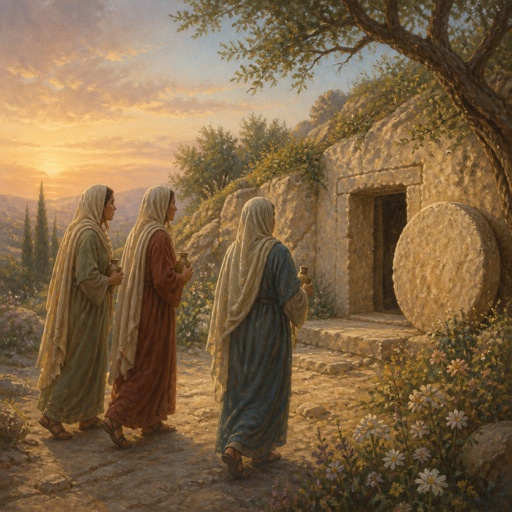
"And very early in the morning the first day of the week, they came unto the sepulchre at the rising of the sun." - Mark 16:2

african american mark 16:11

african american mary magdalene, mark 16: 9

Mark 9:16 - "And he asked the scribes, What question ye with them?"

Mark 16:13 - "And they went and told it unto the residue: neither believed they them."

Mark 7:16 - "If any man have ears to hear, let him hear."

Mark 8:16 - "And they reasoned among themselves, saying, It is because we have no bread."

Mark 16:4 - "And when they looked, they saw that the stone was rolled away: for it was very great."

Mark 16:10 - "And she went and told them that had been with him, as they mourned and wept."

Mark 2:2