What does Mark 4:7 mean?
“And some fell among thorns, and the thorns grew up, and choked it, and it yielded no fruit.” — Mark 4:7
The Bible verse Mark 4:7 in the King James Version (KJV) reads, "And some fell among thorns, and the thorns grew up, and choked it, and it yielded no fruit." This verse is part of a parable that Jesus told to a large crowd who had gathered to hear him speak by the sea. In this parable, Jesus used the metaphor of a sower scattering seeds to illustrate different responses to the message of the kingdom of God.
In the context of the parable, the seeds represent the word of God, and the different types of soil represent the various conditions of people's hearts and their responses to the message. In Mark 4:7, Jesus describes the seeds that fell among thorns, which then grew up and choked the seeds so that they yielded no fruit. This represents the people who hear the word of God, but the "cares of this world, and the deceitfulness of riches, and the lusts of other things entering in, choke the word, and it becometh unfruitful" (Mark 4:19).
The thorns in this parable symbolize the distractions and temptations of the world that can hinder and suffocate one's faith and spiritual growth. The "cares of this world" refer to the anxieties and worries that come from the pressures and concerns of daily life. The "deceitfulness of riches" alludes to the allure of wealth and material possessions that can lead people away from God. The "lusts of other things" represent the desires and cravings for worldly pleasures and pursuits that can consume one's time, energy, and attention, leaving little room for spiritual matters.
The message of this parable and specifically Mark 4:7 is a warning about the potential obstacles that can prevent people from fully embracing the word of God and bearing spiritual fruit. It highlights the importance of having a heart that is receptive to God's message and free from the distractions and entanglements of the world. It also emphasizes the need for believers to be diligent in guarding their hearts and minds against the influences that can hinder their spiritual growth and relationship with God.
Throughout the Bible, the theme of spiritual growth and fruitfulness is a recurring one. In the book of Galatians, the apostle Paul writes about the fruit of the Spirit, which includes love, joy, peace, patience, kindness, goodness, faithfulness, gentleness, and self-control (Galatians 5:22-23). This fruit is the outward evidence of a healthy and vibrant faith that is nourished by the word of God and cultivated through a life of obedience and devotion.
The symbolism of the thorns in Mark 4:7 also echoes the biblical motif of thorns as a consequence of sin and the fallen nature of the world. In the book of Genesis, thorns and thistles are mentioned as part of the curse that came upon the ground as a result of Adam and Eve's disobedience (Genesis 3:18). This imagery serves as a reminder of the pervasive influence of sin and the brokenness of the world, which can hinder and obstruct one's spiritual growth and the reception of God's word.
Furthermore, the overarching theme of the parable in Mark 4 is the importance of hearing, understanding, and bearing fruit from the word of God. It calls for a discerning and receptive heart that can both receive and hold onto God's truth amidst the challenges and distractions of life. It also emphasizes the transformative power of the word of God in producing spiritual growth and impacting one's thoughts, attitudes, and actions.
In conclusion, the Bible verse Mark 4:7 in the King James Version presents a powerful message about the potential hindrances to spiritual growth and the importance of cultivating a receptive heart that is free from the distractions and entanglements of the world. It serves as a timely reminder for believers to guard their hearts, prioritize their spiritual well-being, and actively seek to bear the fruit of the Spirit through a faithful and obedient walk with God.
Get our apps


Artwork for Mark 4:7

Mark 4:7 - "And some fell among thorns, and the thorns grew up, and choked it, and it yielded no fruit."
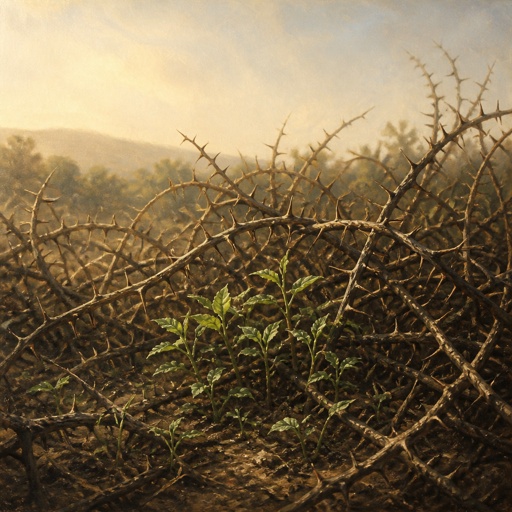
"And some fell among thorns, and the thorns grew up, and choked it, and it yielded no fruit." - Mark 4:7

Mark 7:4 - "And when they come from the market, except they wash, they eat not. And many other things there be, which they have received to hold, as the washing of cups, and pots, brasen vessels, and of tables."

Mark 13:7

Mark 13:7

Mark 8:7

Mark 13:7

Mark 7:7 - "Howbeit in vain do they worship me, teaching for doctrines the commandments of men."

mark 2:4

mark 2:4

mark 2:4

mark 2:4

Mark 4:41

Mark 4:41

mark 2:4

Mark 4:41

Mark 2:4

mark 2:4

Mark 4:41

Mark 7:31-37

Mark 7:31-37

Mark 4:14 - "¶ The sower soweth the word."

Mark 4:36-37

Mark 4:36-37

Mark 16:4-5

Mark 16:4-5

Mark 16:4-5

Mark 4:35-37

Mark 4:35-41

Luke 4:7 - "If thou therefore wilt worship me, all shall be thine."