What does Mark 6:27 mean?
“And immediately the king sent an executioner, and commanded his head to be brought: and he went and beheaded him in the prison,” — Mark 6:27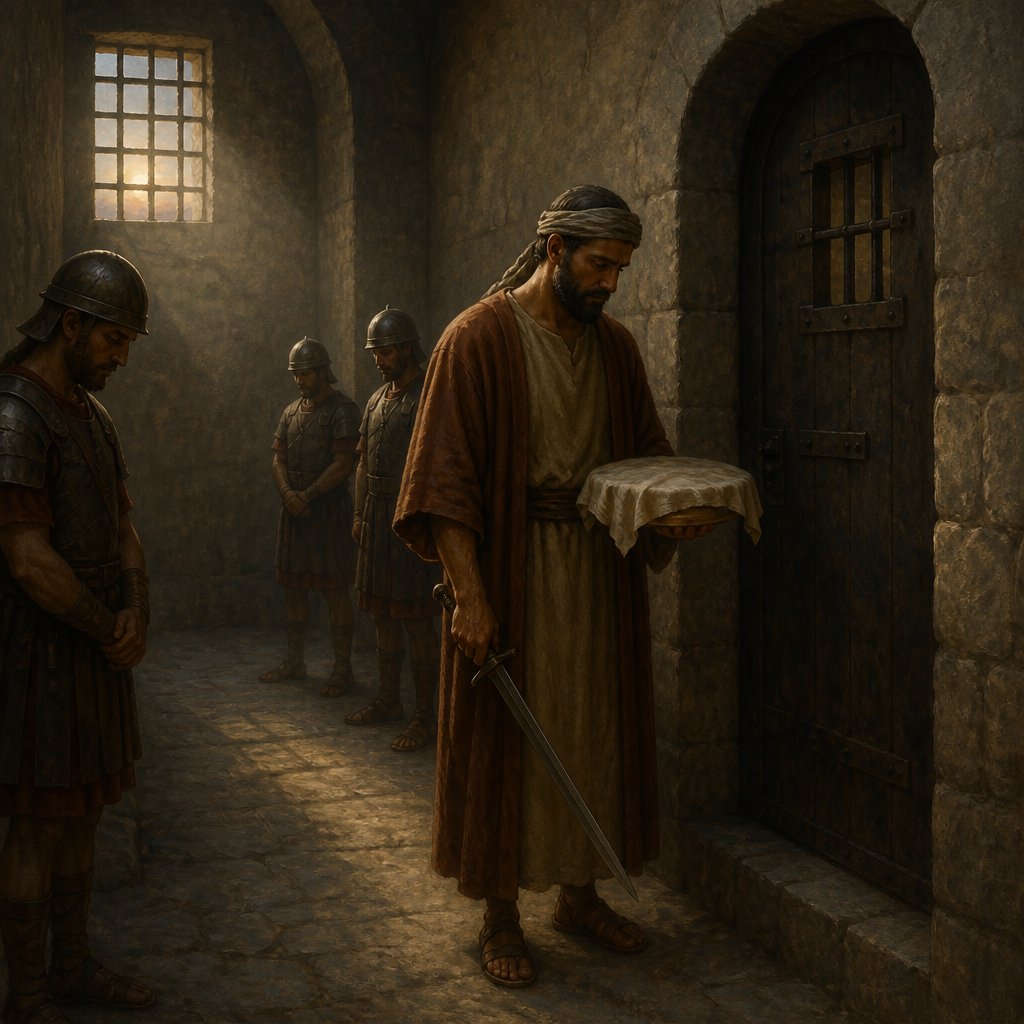
Mark 6:27 in the King James Version of the Bible reads, "And immediately the king sent an executioner, and commanded his head to be brought: and he went and beheaded him in the prison."
This verse comes from a passage in the Gospel of Mark that recounts the story of the death of John the Baptist. John the Baptist was a prominent figure in the New Testament, known for his role as a prophet and for baptizing Jesus in the Jordan River. He spoke out against the immorality of King Herod Antipas, who had married his brother's wife, Herodias. This act was seen as a violation of Jewish law and an affront to God. As a result, Herodias bore a grudge against John and wanted him killed, but Herod was afraid to do so, as he knew that John was a righteous and holy man.
The context of this verse is important in understanding its meaning and significance. In the preceding verses, Herodias's daughter, Salome, had danced for Herod's guests, pleasing him to the extent that he promised to give her whatever she asked for. At her mother's urging, Salome requested John the Baptist's head on a platter. Despite his reluctance and sorrow, Herod felt bound by his foolish promise and ordered John to be executed. The verse immediately preceding Mark 6:27 describes Herod's emotional turmoil and his sorrow at the prospect of killing John, but ultimately, he was swayed by the opinions of those around him and the pressure of his oath.
The verse is significant for several reasons. Firstly, it illustrates the consequences of moral integrity and speaking out against immorality, a theme that is recurring throughout the Bible. John the Baptist remained steadfast in his condemnation of Herod's marriage to Herodias, even in the face of persecution and eventual death. His commitment to speaking truth to power and upholding his principles is an example for all believers.
Additionally, the verse also serves as a stark reminder of the costs of discipleship. Following God's will and standing up for righteousness may lead to persecution, suffering, and even death. However, the ultimate reward lies in being faithful to God's commands and receiving eternal salvation.
Symbolically, the beheading of John the Baptist represents the clash between the forces of good and evil. Herodias, as a symbol of worldly power and corruption, sought to silence the voice of righteousness and truth. However, in the Christian tradition, John's death is not seen as a defeat but as a martyrdom, inspiring others to stand firm in their faith and resist temptation.
In the broader context of the Gospel of Mark, the death of John the Baptist also foreshadows the crucifixion of Jesus Christ. Both men were unjustly executed because of their commitment to God and their proclamation of truth. Their deaths serve as a reminder of the price of salvation and the redemption that comes through sacrifice and faith.
Overall, Mark 6:27 is a powerful and poignant verse that encapsulates themes of moral integrity, persecution, and the cost of discipleship. It serves as a sobering reminder of the challenges faced by those who choose to follow God's will and the ultimate reward of eternal life in His presence.
Get our apps


Artwork for Mark 6:27

Mark 6:27 - "And immediately the king sent an executioner, and commanded his head to be brought: and he went and beheaded him in the prison," The image should not depict explicit or offensive content but be symbolic.
"And immediately the king sent an executioner, and commanded his head to be brought: and he went and beheaded him in the prison," - Mark 6:27

Mark 2:27

Mark 8:27 - 35

Mark 8:27 - 35

Mark 8:27 - 35

Mark 8:27 - 35

Mark 8:27 - 35

Mark 6:1-6

Mark 9:27 - "But Jesus took him by the hand, and lifted him up; and he arose."

Mark 2:27 - "And he said unto them, The sabbath was made for man, and not man for the sabbath:"

Mark 12:27 - "He is not the God of the dead, but the God of the living: ye therefore do greatly err."

Mark 5:27 - "When she had heard of Jesus, came in the press behind, and touched his garment."

Mark 15:27 - "And with him they crucify two thieves; the one on his right hand, and the other on his left."

Mark 10:27 - "And Jesus looking upon them saith, With men it is impossible, but not with God: for with God all things are possible."

Mark 11:27 - "And they come again to Jerusalem: and as he was walking in the temple, there come to him the chief priests, and the scribes, and the elders,"

Mark 16:6-8

Mark 16:6-8

Mark 6:6 - "And he marvelled because of their unbelief. And he went round about the villages, teaching."

Mark 4:27 - "And should sleep, and rise night and day, and the seed should spring and grow up, he knoweth not how."

Mark 16:6-8

Job 27:6

luke 6: 27
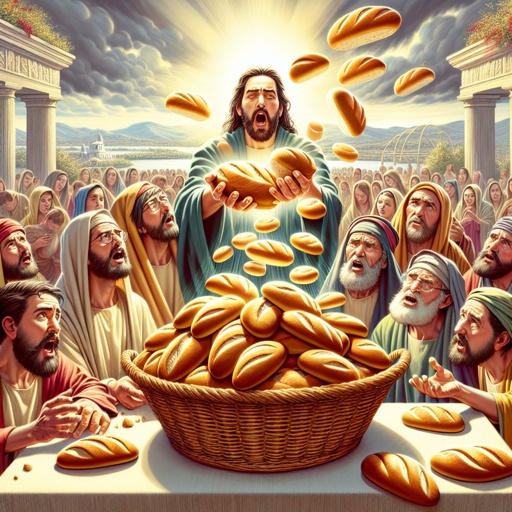
Mark 6:52 - "For they considered not the miracle of the loaves: for their heart was hardened."

Mark 6:32 - "And they departed into a desert place by ship privately."

Mark 6:9 - "But be shod with sandals; and not put on two coats."

Mark 6:40 - "And they sat down in ranks, by hundreds, and by fifties."
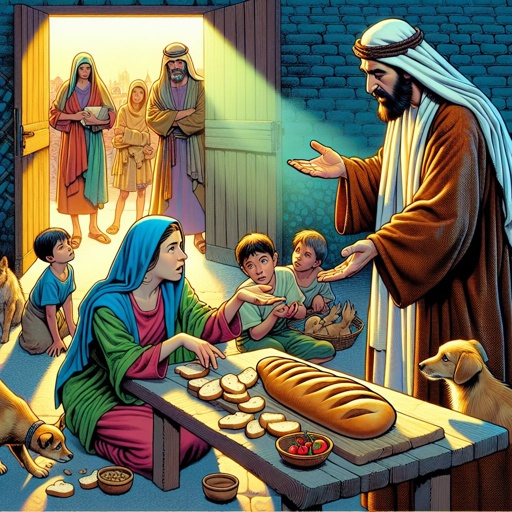
Mark 7:27 - "But Jesus said unto her, Let the children first be filled: for it is not meet to take the children's bread, and to cast it unto the dogs."

Mark 6:42 - "And they did all eat, and were filled."

Luke 6: 27-38