What does Mark 6:36 mean?
“Send them away, that they may go into the country round about, and into the villages, and buy themselves bread: for they have nothing to eat.” — Mark 6:36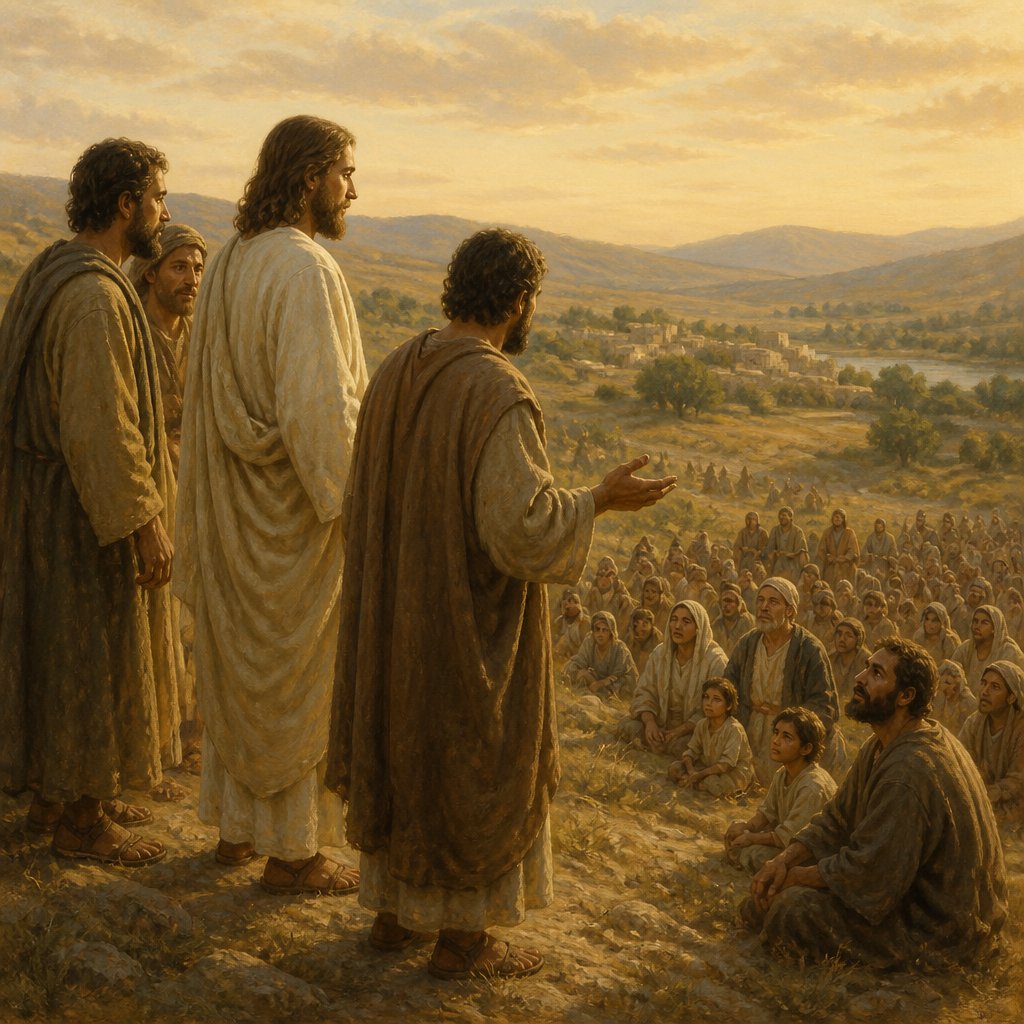
Mark 6:36 (KJV) "Send them away, that they may go into the country round about, and into the villages, and buy themselves bread: for they have nothing to eat."
This verse comes from the Gospel of Mark, which is the second book of the New Testament in the Bible. It is a part of the story of Jesus feeding the 5,000, a well-known miracle that is recorded in all four Gospels. In this particular verse, Jesus' disciples are suggesting that the crowd be sent away to find food for themselves, as there is no food available where they are. This verse is significant in its themes of compassion, provision, and faith.
The context of this verse is important in understanding its meaning. Prior to this, Jesus had been teaching and preaching to a large crowd of people in a remote area. As the day grew late, the disciples became concerned about the lack of food for the people. They approached Jesus and suggested that the crowd be sent away to find food for themselves. However, Jesus had other plans. He instructed the disciples to feed the people with what little food they had - five loaves of bread and two fish. This act of faith and provision resulted in a miraculous feeding of the 5,000, with plenty of food leftover.
The disciples' suggestion to send the crowd away reflects a practical solution to the problem of hunger. However, Jesus' response challenges their reliance on human logic and resources. He demonstrates that with faith and trust in God, even the most impossible situations can be resolved. This theme of reliance on God's provision is central to the overall message of the Gospel of Mark, as it highlights Jesus' divine authority and power over all things, including physical needs.
Symbolism plays a significant role in this verse as well. The act of feeding the 5,000 is a powerful symbol of Jesus' ability to satisfy the spiritual hunger of humanity. Just as he provided physical nourishment for the crowd, Jesus offers himself as the bread of life, the ultimate source of spiritual sustenance. This event also foreshadows the Last Supper, where Jesus institutes the sacrament of Communion, using bread and wine to symbolize his body and blood given for the nourishment of believers.
The overarching theme of compassion is evident in this verse as well. Jesus' response to the disciples' suggestion reveals his deep concern for the well-being of the people. He recognizes their physical need and provides for them abundantly. This act of compassion mirrors God's unwavering love and care for his creation, and serves as a model for how believers are called to respond to the needs of others with generosity and compassion.
Overall, this verse from the Gospel of Mark serves as a powerful reminder of God's provision, the importance of faith, and the significance of compassion. It challenges believers to trust in God's ability to meet their needs, and to demonstrate love and care for others in a world filled with physical and spiritual hunger. It is a timeless message that continues to inspire and encourage believers today.
Get our apps


Artwork for Mark 6:36

Mark 6:36 - "Send them away, that they may go into the country round about, and into the villages, and buy themselves bread: for they have nothing to eat."
"Send them away, that they may go into the country round about, and into the villages, and buy themselves bread: for they have nothing to eat." - Mark 6:36
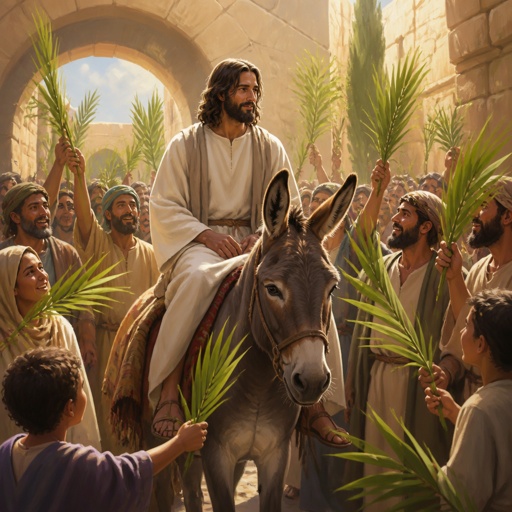
Mark 11:36

Mark 4:36-37

Mark 9:36-37

Mark 4:36-37

Mark 1:36 - "And Simon and they that were with him followed after him."

Mark 13:36 - "Lest coming suddenly he find you sleeping."

Mark 10:36 - "And he said unto them, What would ye that I should do for you?"

Mark 8:36 - "For what shall it profit a man, if he shall gain the whole world, and lose his own soul?"

Mark 5:36 - "As soon as Jesus heard the word that was spoken, he saith unto the ruler of the synagogue, Be not afraid, only believe."
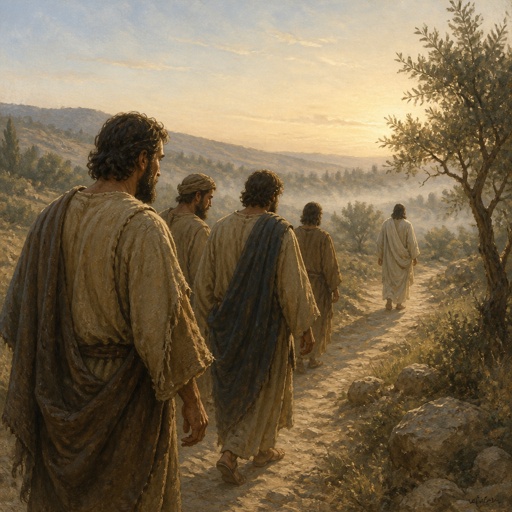
"And Simon and they that were with him followed after him." - Mark 1:36

Mark 6:1-6

Mark 7:36 - "And he charged them that they should tell no man: but the more he charged them, so much the more a great deal they published it;"
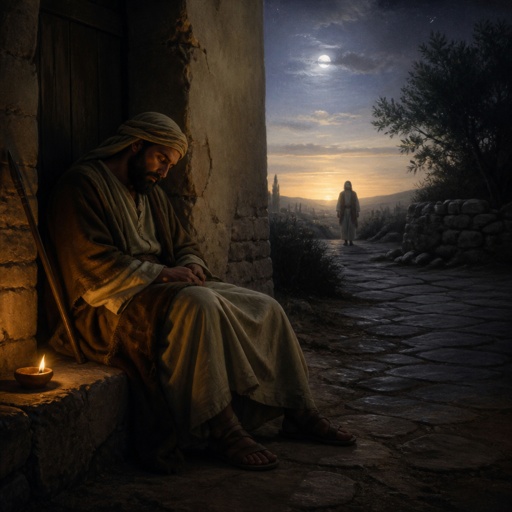
"Lest coming suddenly he find you sleeping." - Mark 13:36

Mark 4:36 - "And when they had sent away the multitude, they took him even as he was in the ship. And there were also with him other little ships."

Psalms 36 verse 3-6

Mark 9:36 - "And he took a child, and set him in the midst of them: and when he had taken him in his arms, he said unto them,"

"For what does it profit a man to gain the whole world, and forfeit his soul?" (Mark 8:36).

Luke 6:36 - "Be ye therefore merciful, as your Father also is merciful."

Job 36:6 - "He preserveth not the life of the wicked: but giveth right to the poor."

Mark 14:36 - "And he said, Abba, Father, all things are possible unto thee; take away this cup from me: nevertheless not what I will, but what thou wilt."
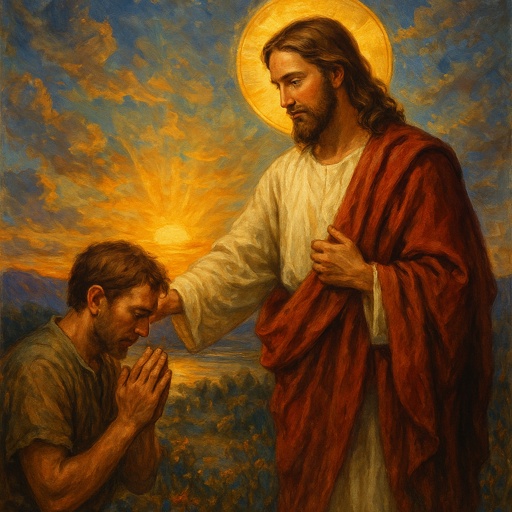
"As soon as Jesus heard the word that was spoken, he saith unto the ruler of the synagogue, Be not afraid, only believe." - Mark 5:36

Mark 12:36 - "For David himself said by the Holy Ghost, The LORD said to my Lord, Sit thou on my right hand, till I make thine enemies thy footstool."

Mark 16:6-8

Mark 16:6-8

Mark 6:6 - "And he marvelled because of their unbelief. And he went round about the villages, teaching."

1 Chronicles 6:36 - "The son of Elkanah, the son of Joel, the son of Azariah, the son of Zephaniah,"

Judges 6:36-40 – Gideon’s fleece test for dew.

Mark 16:6-8