What does Mark 7:26 mean?
“The woman was a Greek, a Syrophenician by nation; and she besought him that he would cast forth the devil out of her daughter.” — Mark 7:26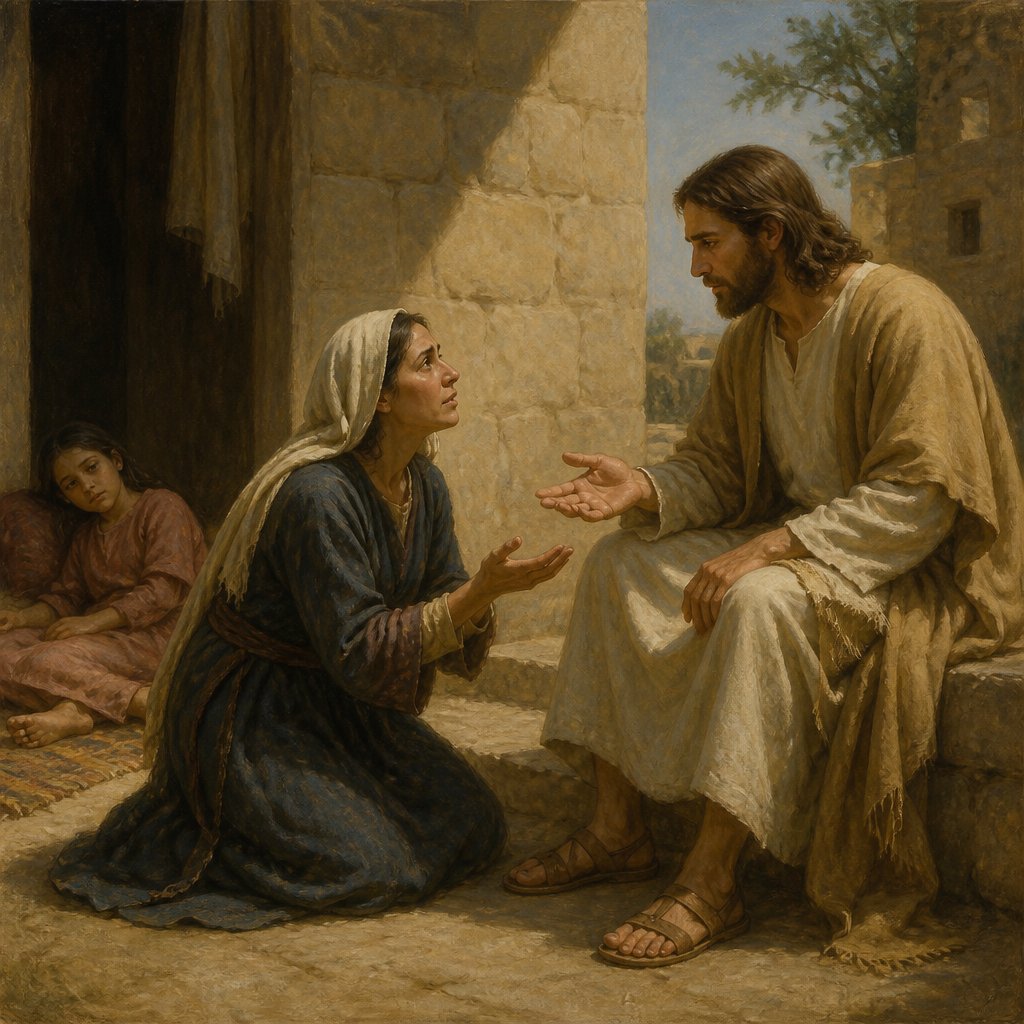
Mark 7:26 (KJV) reads, "The woman was a Greek, a Syrophenician by nation; and she besought him that he would cast forth the devil out of her daughter."
This verse is part of a larger passage in the Gospel of Mark, which tells the story of Jesus' encounter with a Greek woman who approaches him seeking healing for her demon-possessed daughter. This encounter is significant for several reasons and has been the subject of much scholarly discussion and interpretation.
The first thing to note about this verse is the fact that the woman in question is identified as a Greek, and a Syrophoenician by nation. This is noteworthy because it underscores the fact that Jesus' ministry was not limited to the Jewish community. In a time when there was significant animosity between Jews and Gentiles, this encounter serves as a powerful demonstration of Jesus' expansive, universal message of love and inclusion.
The fact that the woman beseeches Jesus to cast out the demon from her daughter is also telling. It speaks to the desperation and urgency of her situation, and her deep faith in Jesus' power to heal. This demonstrates the universal need for healing and deliverance, regardless of one's background or nationality. It also highlights the capacity for faith to transcend cultural and religious barriers.
One of the most intriguing aspects of this passage is Jesus' initial response to the woman's plea. In the following verses, Jesus tells the woman, "Let the children be filled first: for it is not meet to take the children's bread, and to cast it unto the dogs." This response has been the subject of much debate and interpretation over the years, as it seems to contradict Jesus' usual message of love and compassion.
Many scholars argue that Jesus' initial response was a test of the woman's faith, and a teaching moment for his disciples. By referring to non-Jews as "dogs," Jesus was using a common metaphor of the time to illustrate the hierarchical thinking prevalent among the Jewish people. By doing so, he was challenging the ingrained prejudices of his own community and pushing them to recognize the universality of his message.
The woman's response to Jesus' initial rejection is equally significant. She does not become discouraged or offended, but instead engages in a clever and humble dialogue with Jesus. She responds, "Yes, Lord: yet the dogs under the table eat of the children's crumbs." This quick-witted and humble response demonstrates the woman's deep faith and her recognition of Jesus' power and authority. It also serves as a powerful example of persistence and humility in the face of rejection.
Jesus responds to the woman's faith and humility by acknowledging her great faith and granting her request. He tells her, "For this saying go thy way; the devil is gone out of thy daughter." This powerful moment serves as a reminder of Jesus' compassion and his willingness to extend his healing power to all who come to him with faith and humility.
In conclusion, Mark 7:26 is a powerful and multifaceted passage that touches on themes of faith, inclusion, and the universal need for healing and deliverance. It challenges traditional cultural and religious boundaries and underscores the expansive nature of Jesus' message. The encounter with the Syrophoenician woman serves as a powerful reminder of the transformative power of faith, humility, and persistence in the face of challenges and rejection. It is an example of the profound and universal love and compassion of Jesus, and a call to recognize and embrace the diversity of humanity.
Get our apps


Artwork for Mark 7:26
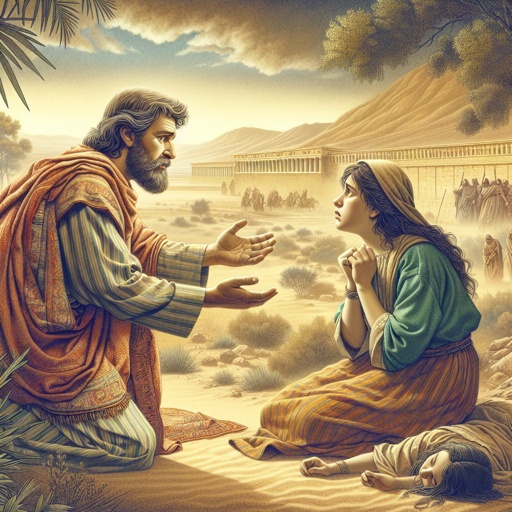
Mark 7:26 - "The woman was a Greek, a Syrophenician by nation; and she besought him that he would cast forth the devil out of her daughter."
"The woman was a Greek, a Syrophenician by nation; and she besought him that he would cast forth the devil out of her daughter." - Mark 7:26

Mark 15:26 - "And the superscription of his accusation was written over, THE KING OF THE JEWS."

Mark 14:26 - "¶ And when they had sung an hymn, they went out into the mount of Olives."

Mark 13:26 - "And then shall they see the Son of man coming in the clouds with great power and glory."
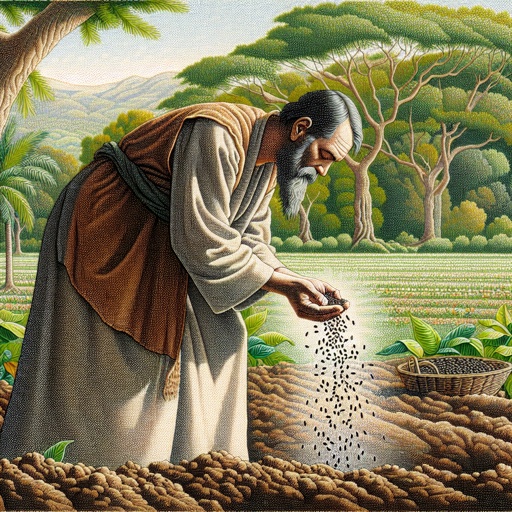
Mark 4:26 (KJVA) 26 And he said, So is the kingdom of God, as if a man should cast seed into the ground;

Mark 13:7

Mark 10:26 - "And they were astonished out of measure, saying among themselves, Who then can be saved?"

Mark 4:26 - "¶ And he said, So is the kingdom of God, as if a man should cast seed into the ground;"

Mark 13:7

Mark 8:7

Mark 13:7

Mark 3:26 - "And if Satan rise up against himself, and be divided, he cannot stand, but hath an end."

Mark 11:26 - "But if ye do not forgive, neither will your Father which is in heaven forgive your trespasses."

Mark 7:7 - "Howbeit in vain do they worship me, teaching for doctrines the commandments of men."

Mark 7:31-37

Mark 7:31-37

Mark 1:26 - "And when the unclean spirit had torn him, and cried with a loud voice, he came out of him."

Proverbs 7:26

Mark 8:26 - "And he sent him away to his house, saying, Neither go into the town, nor tell it to any in the town."

Mark 6:26 - "And the king was exceeding sorry; yet for his oath's sake, and for their sakes which sat with him, he would not reject her."

Mark 5:26 - "And had suffered many things of many physicians, and had spent all that she had, and was nothing bettered, but rather grew worse,"

Mark 7:7 (KJVA) 7 Howbeit in vain do they worship me, teaching for doctrines the commandments of men.

Mark 7:7 (KJVA) 7 Howbeit in vain do they worship me, teaching for doctrines the commandments of men.

Mark 7:7 (KJVA) 7 Howbeit in vain do they worship me, teaching for doctrines the commandments of men.

Mark 7:7 (KJVA) 7 Howbeit in vain do they worship me, teaching for doctrines the commandments of men.
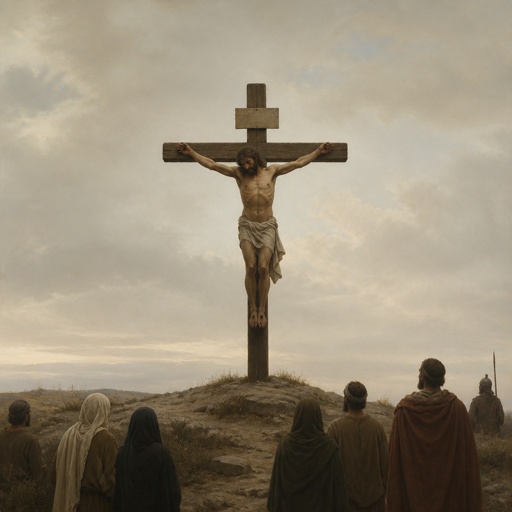
"And the superscription of his accusation was written over, THE KING OF THE JEWS." - Mark 15:26

Proverbs 7:26-27

Mark 9:26 - "And the spirit cried, and rent him sore, and came out of him: and he was as one dead; insomuch that many said, He is dead."

Mark 7:7 (KJVA) 7 Howbeit in vain do they worship me, teaching for doctrines the commandments of men.