What does Mark 7:32 mean?
“And they bring unto him one that was deaf, and had an impediment in his speech; and they beseech him to put his hand upon him.” — Mark 7:32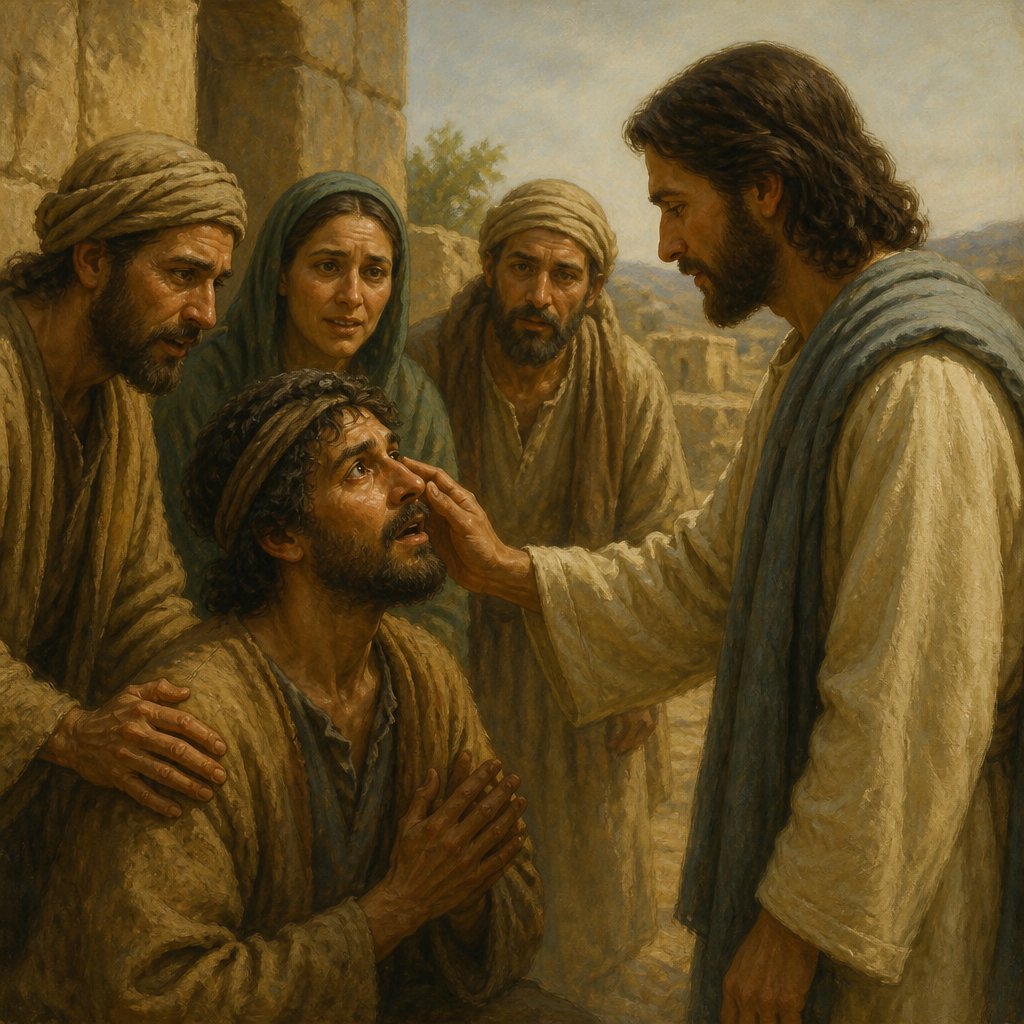
Mark 7:32 in the King James Version (KJV) of the Bible reads: "And they bring unto him one that was deaf, and had an impediment in his speech; and they beseech him to put his hand upon him."
This verse is part of a larger passage in the book of Mark that details Jesus' healing ministry. In this particular instance, Jesus is approached by a group of people who bring to him a man who is deaf and has a speech impediment. The people beseech Jesus to lay his hands on the man, likely in the hopes that he would be healed.
This verse is significant in several ways and carries various themes, contexts, and forms of symbolism. To begin, it is important to understand the broader context of the passage in which this verse is found. The entire chapter of Mark 7 depicts Jesus' interactions with the Pharisees and the scribes, who challenge him on matters of tradition and religious law. Jesus uses these encounters as opportunities to teach about the true nature of righteousness and the importance of faith and compassion.
In the specific verse of Mark 7:32, the theme of divine healing and compassion is paramount. The man who is brought to Jesus is suffering from physical afflictions that limit his ability to communicate and interact with others. By healing this man, Jesus demonstrates his divine authority and compassion for those who are marginalized or suffering. The act of healing the man's deafness and speech impediment is a symbol of Jesus' power to bring wholeness and restoration to all aspects of a person's being.
Furthermore, the verse demonstrates the theme of faith and the power of intercession. The fact that the people brought the man to Jesus and appealed to him to heal the man with his touch exemplifies the belief in Jesus' ability to bring about healing through his divine touch. This act of intercession underscores the importance of seeking help and intervention from Jesus in times of need.
Symbolically, the deaf and speech-impaired man represents all those who are in need of healing and restoration. His physical ailments serve as a metaphor for the spiritual and emotional brokenness that many people experience. Through this act of healing, Jesus offers hope and the promise of restoration to all who are afflicted.
From a historical and cultural context, this verse also highlights Jesus' ministry to the marginalized and outcast members of society. In biblical times, individuals with physical disabilities were often viewed as unclean or unworthy, and their abilities were seen as evidence of sin or punishment. By healing the deaf man, Jesus challenges these societal norms and reveals his heart for those who are overlooked or ostracized.
In conclusion, Mark 7:32 holds deep significance in its themes of divine healing, compassion, faith, and the restoration of the marginalized. It serves as a powerful reminder of Jesus' ability to bring about wholeness and renewal, both physically and spiritually. This verse is a testament to the transformative power of Jesus' touch and his unwavering love for all who are in need.
Get our apps


Artwork for Mark 7:32
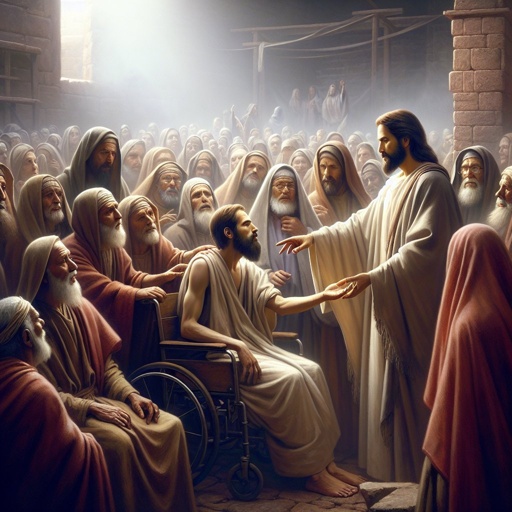
Mark 7:32 - "And they bring unto him one that was deaf, and had an impediment in his speech; and they beseech him to put his hand upon him."
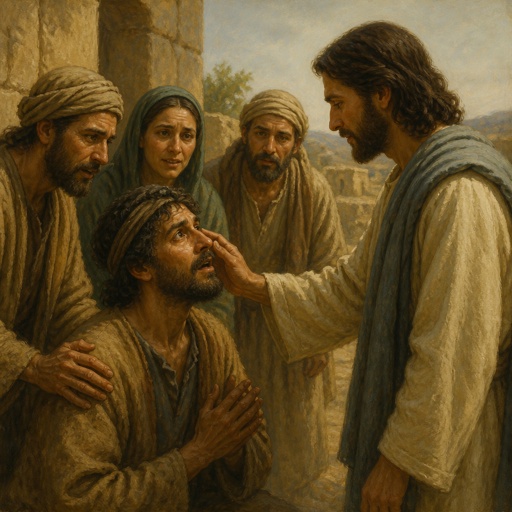
"And they bring unto him one that was deaf, and had an impediment in his speech; and they beseech him to put his hand upon him." - Mark 7:32

Mark 6:32 - "And they departed into a desert place by ship privately."

Mark 9:32 - "But they understood not that saying, and were afraid to ask him."

Mark 5:32 - "And he looked round about to see her that had done this thing."

Mark 8:32 - "And he spake that saying openly. And Peter took him, and began to rebuke him."

Mark 13:32 - "¶ But of that day and that hour knoweth no man, no, not the angels which are in heaven, neither the Son, but the Father."
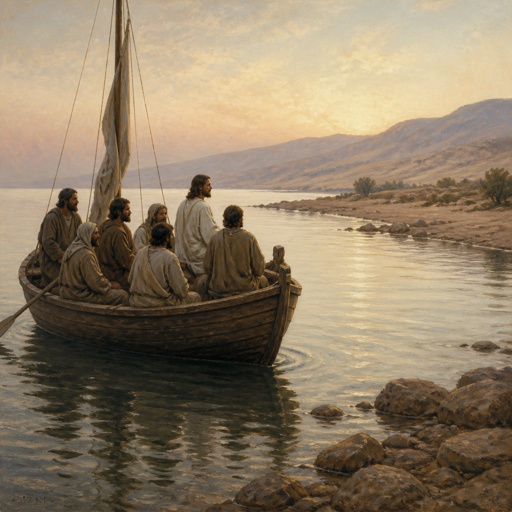
"And they departed into a desert place by ship privately." - Mark 6:32

psalm 32:7

Mark 11:32 - "But if we shall say, Of men; they feared the people: for all men counted John, that he was a prophet indeed."

Mark 6:32 So they departed to a deserted place in the boat by themselves.
"But they understood not that saying, and were afraid to ask him." - Mark 9:32

Mark 1:32 - "And at even, when the sun did set, they brought unto him all that were diseased, and them that were possessed with devils."

Mark 12:32 - "And the scribe said unto him, Well, Master, thou hast said the truth: for there is one God; and there is none other but he:"

Mark 3:32 - "And the multitude sat about him, and they said unto him, Behold, thy mother and thy brethren without seek for thee."

Mark 13:7

Mark 13:7

Mark 8:7

Mark 13:7
Mark 14:32 - "And they came to a place which was named Gethsemane: and he saith to his disciples, Sit ye here, while I shall pray."

Mark 7:7 - "Howbeit in vain do they worship me, teaching for doctrines the commandments of men."

Mark 15:32 - "Let Christ the King of Israel descend now from the cross, that we may see and believe. And they that were crucified with him reviled him."

Mark 7:31-37

Mark 7:31-37

Nehemiah 7:32 - "The men of Beth-el and Ai, an hundred twenty and three."

Numbers 7:32 - "One golden spoon of ten shekels, full of incense:"

Mark 4:32 - "But when it is sown, it groweth up, and becometh greater than all herbs, and shooteth out great branches; so that the fowls of the air may lodge under the shadow of it."
"And he looked round about to see her that had done this thing." - Mark 5:32

1 Chronicles 7:32 - "And Heber begat Japhlet, and Shomer, and Hotham, and Shua their sister."

Mark 7:7 (KJVA) 7 Howbeit in vain do they worship me, teaching for doctrines the commandments of men.