What does Mark 7:9 mean?
"And he said unto them, Full well ye reject the commandment of God, that ye may keep your own tradition." - Mark 7:9
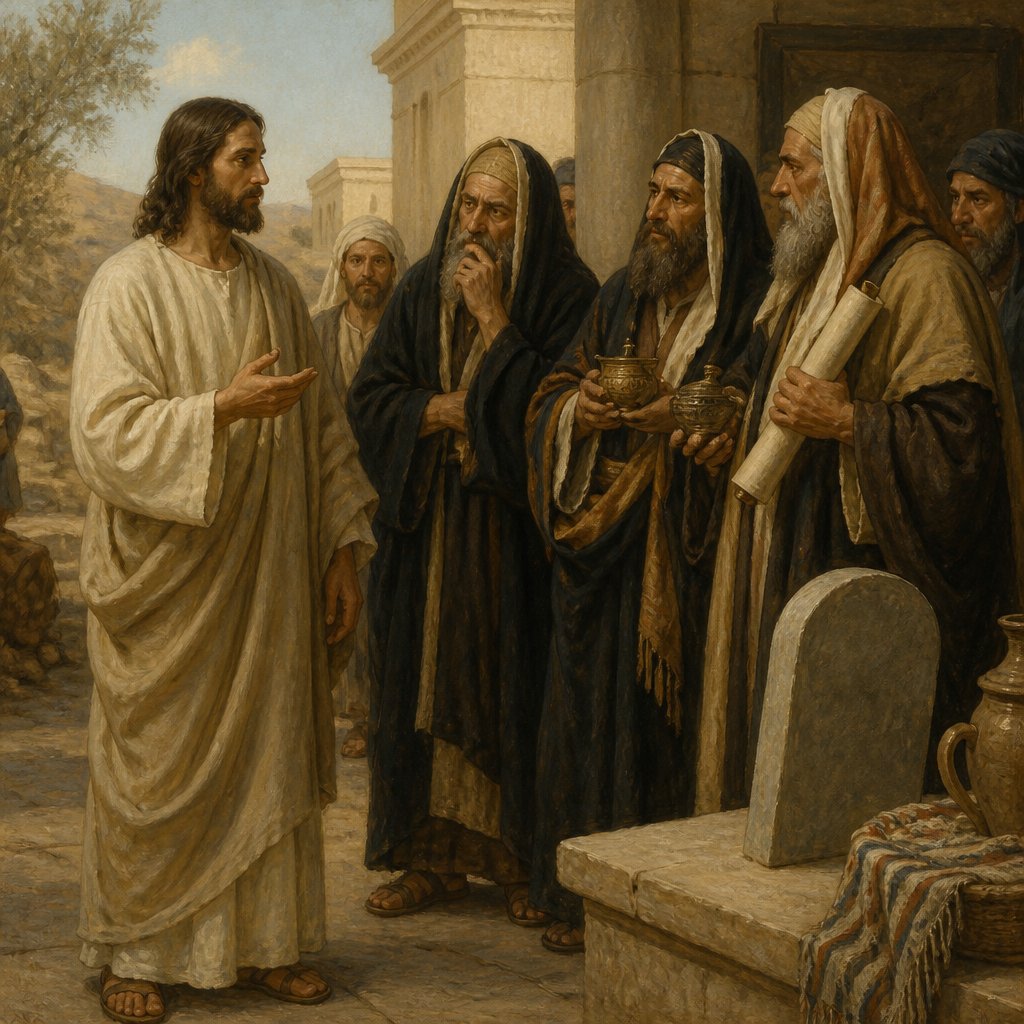
The Bible verse Mark 7:9 from the King James Version (KJV) states: "And he said unto them, Full well ye reject the commandment of God, that ye may keep your own tradition." This verse is spoken by Jesus in response to the Pharisee's criticism of his disciples for not following the tradition of ceremonial hand washing before eating.
This verse reflects a recurring theme in the New Testament, where Jesus challenges the religious leaders of his time for placing their own traditions and rules above the commandments of God. In this particular instance, Jesus is pointing out the hypocrisy of the Pharisees, who claim to be devout followers of God's law but in reality prioritize their own traditions over God's commands.
The context of this verse is important for understanding its significance. In Mark 7, Jesus is confronted by the Pharisees and scribes who question why his disciples do not follow the tradition of the elders by washing their hands before eating. Jesus responds by quoting from the prophet Isaiah and rebuking the Pharisees for their hypocrisy. He accuses them of neglecting the commandment of God in favor of their own tradition (v.8), and then uses this verse (v.9) to reinforce his point.
The verse exposes the danger of prioritizing human traditions over divine commandments. It serves as a warning against legalism and the tendency to elevate man-made rules above the principles of God's law. Jesus's words challenge the Pharisees to re-evaluate their priorities and recognize the true intention behind God's commandments.
Symbolically, this verse represents the broader conflict between legalism and true obedience to God. It illustrates the difference between outward conformity to religious practices and genuine faithfulness to God. The Pharisees were known for their strict adherence to religious rituals and traditions, but Jesus exposes the hollowness of their devotion by highlighting their neglect of God's fundamental principles.
The verse also speaks to the timeless issue of human traditions and the need for discernment in distinguishing between man-made traditions and God-given commandments. It calls for a reorientation of priorities, emphasizing the primacy of God's will over human customs.
Furthermore, the verse highlights the importance of examining our own hearts and motivations in matters of faith. It challenges us to assess whether our actions are guided by a sincere desire to follow God's commandments or if we are simply going through the motions of religious tradition.
In conclusion, Mark 7:9 from the King James Version carries a powerful message about the danger of prioritizing human traditions over the commandments of God. It serves as a timeless reminder to seek genuine obedience and faithfulness to God, rather than being entangled in legalistic practices and man-made regulations. This verse challenges us to reevaluate our priorities and ensure that our actions are rooted in a sincere desire to follow God's will.
Have questions about Mark 7:9?
Dive deeper into this scripture with Bible Chat — an AI-powered tool for exploring God's Word through conversation. Ask questions, get context, and grow in your understanding of the Bible.
Get Our Apps


Mark 7:9 Artwork

Mark 7:9 - "And he said unto them, Full well ye reject the commandment of God, that ye may keep your own tradition."
"And he said unto them, Full well ye reject the commandment of God, that ye may keep your own tradition." - Mark 7:9

Mark 9:7 - "And there was a cloud that overshadowed them: and a voice came out of the cloud, saying, This is my beloved Son: hear him."

Mark 9:7 – "Then a cloud appeared and covered them, and a voice came from the cloud: 'This is my Son, whom I love; listen to him!'"

Mark 9:7 – "Then a cloud appeared and covered them, and a voice came from the cloud: 'This is my Son, whom I love; listen to him!'"

Mark 9:2 Show only 4 people Show a mountain area According to Mark 9:2

Mark 2:9

Mark 9:2 Show only 4 people and one of them is Jesus Show a mountain area According to Mark 9:2
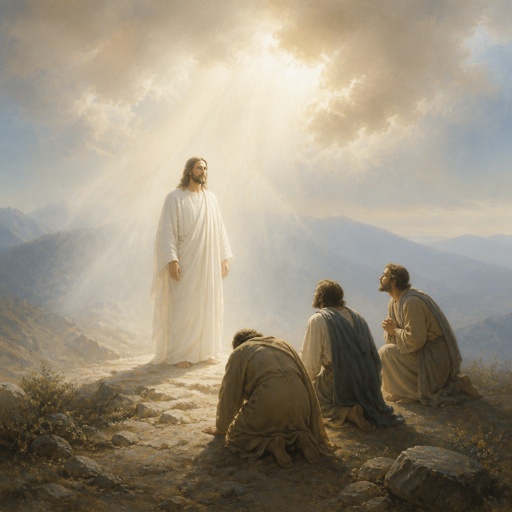
"And there was a cloud that overshadowed them: and a voice came out of the cloud, saying, This is my beloved Son: hear him." - Mark 9:7

Mark 9:38

Mark 2:9

Mark 13:7

Mark 13:7

Mark 8:7

Mark 13:7

Mark 9:36-37

Mark 7:7 - "Howbeit in vain do they worship me, teaching for doctrines the commandments of men."

Mark 7:31-37

Mark 7:31-37

Mark 9:48 - "Where their worm dieth not, and the fire is not quenched."

Mark 6:9 - "But be shod with sandals; and not put on two coats."

Mark 9:40 - "For he that is not against us is on our part."

Mark 9:46 - "Where their worm dieth not, and the fire is not quenched."

Mark 9:44 - "Where their worm dieth not, and the fire is not quenched."

Mark 9:32 - "But they understood not that saying, and were afraid to ask him."

african american mary magdalene, mark 16: 9

Mark 9:16 - "And he asked the scribes, What question ye with them?"

Mark 9:6 - "For he wist not what to say; for they were sore afraid."

Mark 7:7 (KJVA) 7 Howbeit in vain do they worship me, teaching for doctrines the commandments of men.

Mark 7:7 (KJVA) 7 Howbeit in vain do they worship me, teaching for doctrines the commandments of men.