What does Mark 8:32 mean?
“And he spake that saying openly. And Peter took him, and began to rebuke him.” — Mark 8:32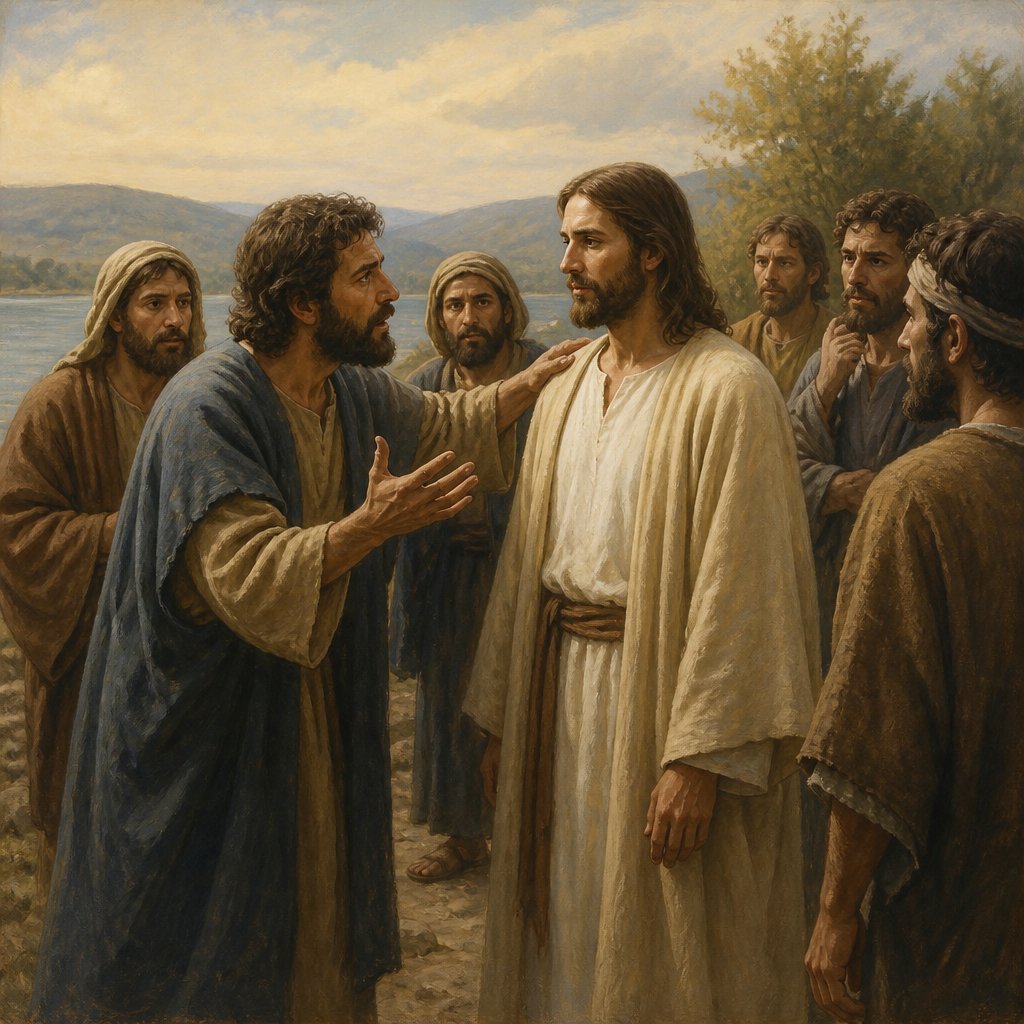
Mark 8:32 (KJV) says, "And he spake that saying openly. And Peter took him, and began to rebuke him."
This verse comes from the New Testament and is a part of the larger passage in which Jesus predicts his own death and resurrection. The context of this verse is essential for understanding its significance. In the preceding verses, Jesus asks his disciples who they believe he is. Peter confesses that Jesus is the Christ, but when Jesus begins to teach them about his coming suffering, death, and resurrection, Peter rebukes him. This leads Jesus to respond sharply to Peter, saying, "Get thee behind me, Satan: for thou savourest not the things that be of God, but the things that be of men" (Mark 8:33, KJV).
This verse is significant for several reasons. It reflects a significant turning point in the Gospel of Mark, as Jesus begins to prepare his disciples for the difficult events that are to come. His prediction of his own death and resurrection is a pivotal moment in his ministry, revealing the central purpose of his mission on earth. Additionally, the interaction between Jesus and Peter highlights the tension between human understanding and God's divine plan.
One of the key themes in this verse is the concept of suffering and sacrifice. Jesus' willingness to endure suffering and death for the sake of humanity is a central tenet of Christian faith. In this passage, Jesus teaches his disciples about the necessity of his suffering and death, and the profound significance of his resurrection. This theme of suffering and sacrifice is not only central to Jesus' own mission but also holds deep implications for his followers. It teaches Christians about the nature of discipleship and the call to take up their own crosses and follow Jesus.
Another important theme in this verse is the contrast between human understanding and God's divine plan. When Peter rebukes Jesus for speaking about his impending suffering and death, he reveals his own misunderstanding of God's plan. Jesus' response to Peter underscores the need for a shift in perspective from human desires and expectations to aligning with God's will. This theme challenges believers to trust in God's sovereignty and to be open to a perspective that may be contrary to their own understanding.
The symbolism in this verse lies in the contrast between Peter's confession of Jesus as the Christ and his subsequent rebuke of Jesus. Peter's initial acknowledgment of Jesus' identity as the Christ represents a moment of divine revelation and understanding. However, his response to Jesus' prediction of suffering and death exposes the limitations of human understanding. This symbolism serves as a cautionary example for believers, reminding them of the potential for human misunderstanding and the need for humility in seeking God's will.
In conclusion, Mark 8:32 from the King James Version of the Bible holds significant theological and moral implications. It serves as a crucial moment in Jesus' ministry, signaling the shift towards his imminent suffering and death. The themes of suffering and sacrifice, as well as the contrast between human understanding and God's divine plan, are central to this verse. The interaction between Jesus and Peter serves as a powerful lesson for believers, reminding them of the importance of aligning their will with God's purposes and remaining open to a perspective that may challenge their own understanding. Ultimately, this verse emphasizes the necessity of trusting in God's plan and the transformative power of following Jesus.
Get our apps


Artwork for Mark 8:32

Mark 8:32 - "And he spake that saying openly. And Peter took him, and began to rebuke him."
"And he spake that saying openly. And Peter took him, and began to rebuke him." - Mark 8:32

Then taking Jesus aside, Peter started to remonstrate with him. (Mk8:12)

Mark 6:32 - "And they departed into a desert place by ship privately."

Mark 9:32 - "But they understood not that saying, and were afraid to ask him."

Mark 5:32 - "And he looked round about to see her that had done this thing."

Matthew 8:32

Matthew 8:32

Matthew 8:32

Mark 13:32 - "¶ But of that day and that hour knoweth no man, no, not the angels which are in heaven, neither the Son, but the Father."

Psalm 32:8

Psalm 32:8

Psalm 32:8

Psalm 32:8
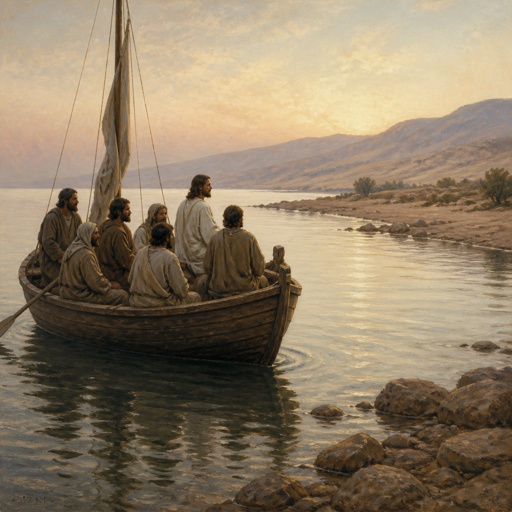
"And they departed into a desert place by ship privately." - Mark 6:32

Psalm 32:8

Psalm 32:8

Mark 11:32 - "But if we shall say, Of men; they feared the people: for all men counted John, that he was a prophet indeed."

Mark 6:32 So they departed to a deserted place in the boat by themselves.

Mark 8:35

Mark 8:35

Mark 12:8

Mark 13:8
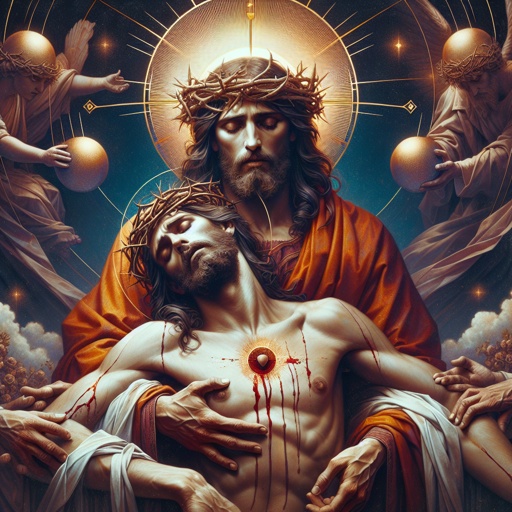
Mark 13:8
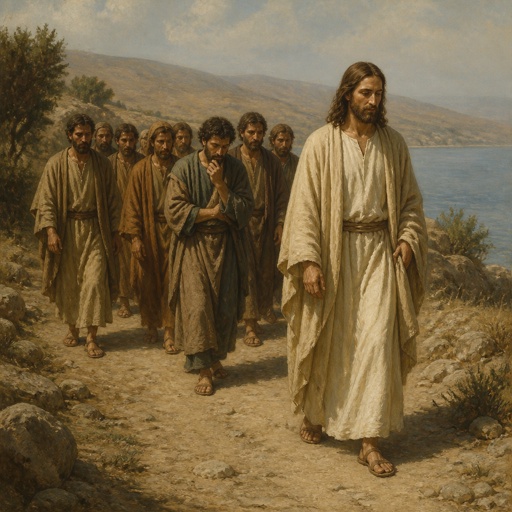
"But they understood not that saying, and were afraid to ask him." - Mark 9:32

Mark 8:35

Mark 13:8

Mark 8:7

Mark 8:35

Mark 12:8