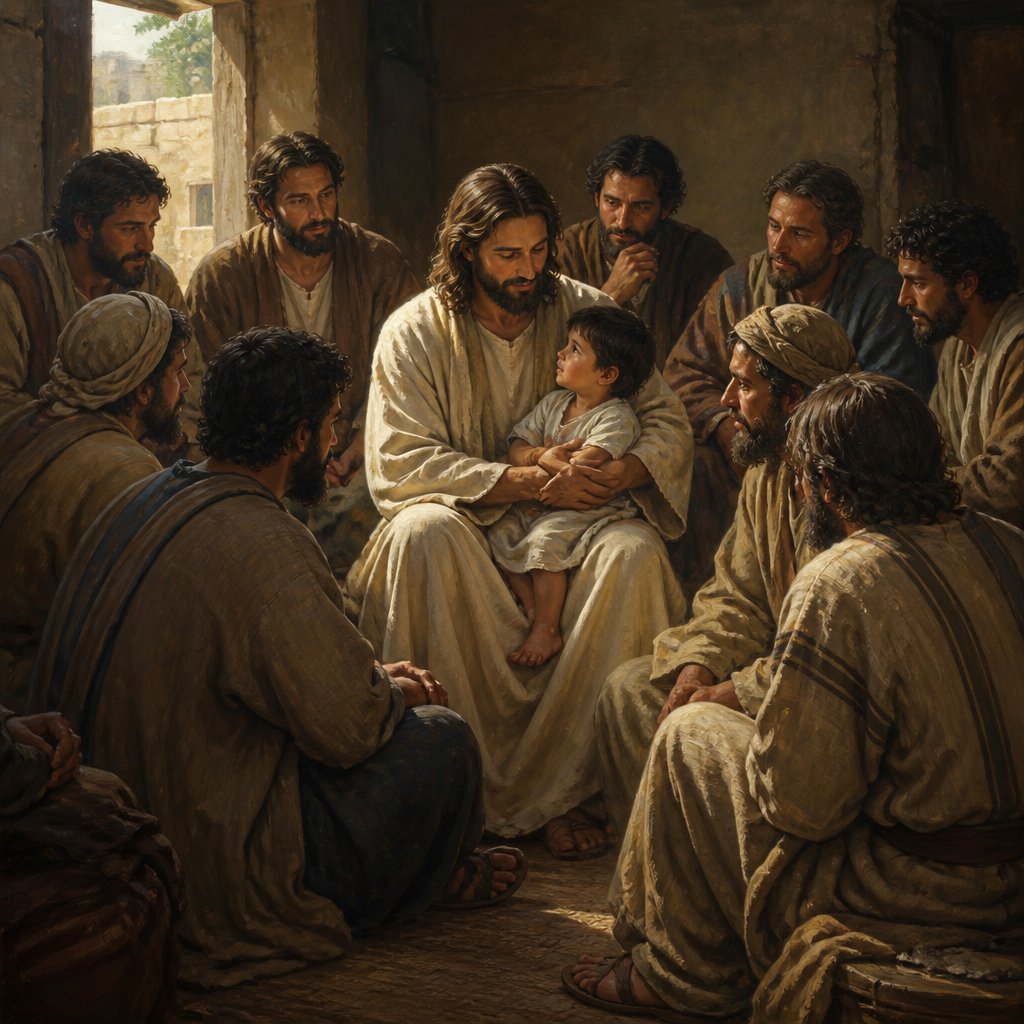
Mark 9:33-37 in the King James Version (KJV) of the Bible says, "And he came to Capernaum: and being in the house he asked them, What was it that ye disputed among yourselves by the way? But they held their peace: for by the way they had disputed among themselves, who should be the greatest. And he sat down, and called the twelve, and saith unto them, If any man desire to be first, the same shall be last of all, and servant of all. And he took a child, and set him in the midst of them: and when he had taken him in his arms, he said unto them, Whosoever shall receive one of such children in my name, receiveth me: and whosoever shall receive me, receiveth not me, but him that sent me."
This passage from the book of Mark captures a moment in the ministry of Jesus where he takes the opportunity to teach his disciples an important lesson about humility and the true nature of greatness in the kingdom of God. The context of this passage is crucial to understanding its significance as it comes immediately after Jesus predicts his death and resurrection for the second time in the presence of his disciples. This prediction had caused confusion and fear among the disciples, and they were unable to comprehend the meaning of Jesus' words. Instead, they were preoccupied with their own desires for greatness and status within the kingdom.
The theme of humility is central to this passage, as Jesus uses the disciples' argument over who is the greatest to teach them a valuable lesson. By asking them about their dispute, Jesus exposes their pride and ambition, revealing that they are more concerned with their own status than with the mission and message of Jesus. In response, Jesus sits down and calls the twelve disciples to Himself, emphasizing the importance of what He is about to say. He then makes a radical statement about true greatness in the kingdom of God, saying, "If any man desire to be first, the same shall be last of all, and servant of all."
This statement turns the world's understanding of greatness on its head, as it challenges the disciples to abandon their pursuit of personal glory and power, and instead embrace humility and servanthood. Jesus' use of a child to illustrate this point is significant, as children were considered insignificant and lacking in status in the culture of that time. By placing a child in their midst and telling them that whoever receives a child in His name receives Him, Jesus is emphasizing the value of humility, innocence, and vulnerability in the kingdom of God.
Furthermore, Jesus' actions and words in this passage also carry a deeper symbolism. By taking the child in His arms and telling the disciples that whoever receives a child in His name receives Him, Jesus is identifying Himself with the marginalized and the powerless. He is teaching the disciples that true greatness in the kingdom of God involves embracing and serving those who are often overlooked and undervalued by society. This message challenges the disciples to reorient their understanding of greatness and to live in a way that reflects the radical values of the kingdom of God.
In conclusion, Mark 9:33-37 from the King James Version of the Bible is a powerful and challenging passage that offers profound insights into the nature of greatness and humility in the kingdom of God. It serves as a reminder to believers that true greatness is found in serving others and embracing humility, rather than pursuing personal status and power. The context and symbolism of this passage bring depth and richness to its message, making it a timeless and relevant teaching for believers today.
Get our apps


Artwork for Mark 9:33-37
"They came to Capernaum. When he was in the house, he asked them, "What were you arguing about on the road?" But they kept quiet because on the way they had argued about who was the greatest. Sitting down, Jesus called the Twelve and said, "Anyone who wants to be first must be the very last, and the servant of all." He took a little child whom he placed among them. Taking the child in his arms, he said to them, "Whoever welcomes one of these little children in my name welcomes me; and whoever welcomes me does not welcome me but the one who sent me."" - Mark 9:33-37

Mark 9:33-37 - "They came to Capernaum. When he was in the house, he asked them, "What were you arguing about on the road?" But they kept quiet because on the way they had argued about who was the greatest. Sitting down, Jesus called the Twelve and said, "Anyone who wants to be first must be the very last, and the servant of all." He took a little child whom he placed among them. Taking the child in his arms, he said to them, "Whoever welcomes one of these little children in my name welcomes me; and whoever welcomes me does not welcome me but the one who sent me.""

Mark 9:36-37

Mark 9:33 - "¶ And he came to Capernaum: and being in the house he asked them, What was it that ye disputed among yourselves by the way?"

Mark 9:37 (KJVA) 37 Whosoever shall receive one of such children in my name, receiveth me: and whosoever shall receive me, receiveth not me, but him that sent me.

Mark 9:37 (KJVA) 37 Whosoever shall receive one of such children in my name, receiveth me: and whosoever shall receive me, receiveth not me, but him that sent me.

Mark 9:37 - "Whosoever shall receive one of such children in my name, receiveth me: and whosoever shall receive me, receiveth not me, but him that sent me."
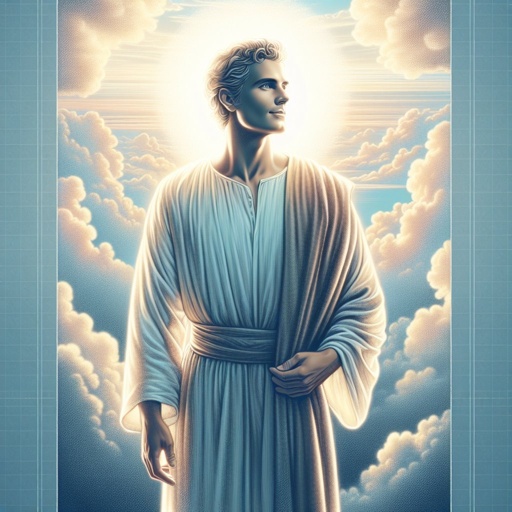
Psalms 37:37 - "Mark the perfect man, and behold the upright: for the end of that man is peace."

Mark 13;28-37
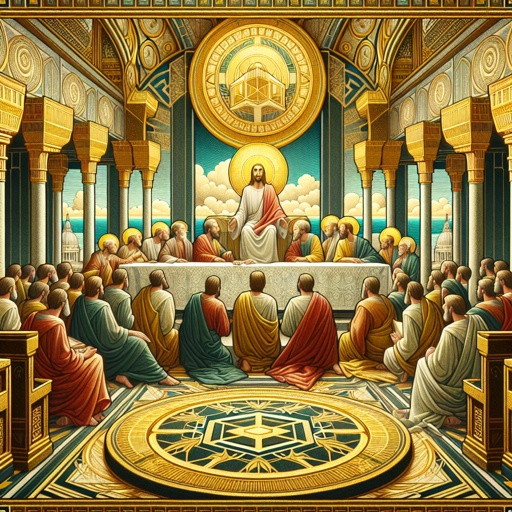
Mark 13;28-37

Mark 4:36-37

Mark 13:28-37

Mark 4:36-37

Mark 13:28-37

Mark 4:35-37

Mark 7:31-37

Mark 13:28-37

Mark 7:31-37

Mark 13:28-37

Numbers 33:37 - "And they removed from Kadesh, and pitched in mount Hor, in the edge of the land of Edom."

"Mark the perfect man, and behold the upright: for the end of that man is peace." - Psalms 37:37

Mark 8:37 - "Or what shall a man give in exchange for his soul?"

Mark 15:37 - "And Jesus cried with a loud voice, and gave up the ghost."

Mark 1:33 - "And all the city was gathered together at the door."
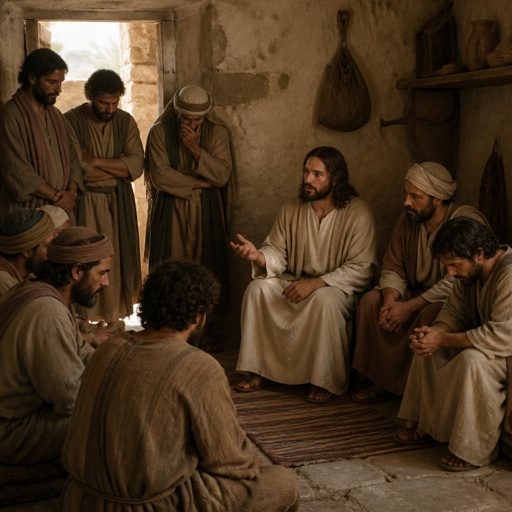
"¶ And he came to Capernaum: and being in the house he asked them, What was it that ye disputed among yourselves by the way?" - Mark 9:33

Mark 13:33 watch and pray

Mark 13:33 watch and pray

Acts 15:37 - "And Barnabas determined to take with them John, whose surname was Mark."

Psalms 37:33 - "The LORD will not leave him in his hand, nor condemn him when he is judged."

Mark 9:36-37 - "Then he took a little child and set him in the midst of them. And when he had taken him in his arms, he said to them, "Whoever receives one of these little children in My name receives Me; and whoever receives Me, receives not Me but Him who sent Me."