What does Matthew 1:12 mean?
"And after they were brought to Babylon, Jechonias begat Salathiel; and Salathiel begat Zorobabel;" - Matthew 1:12
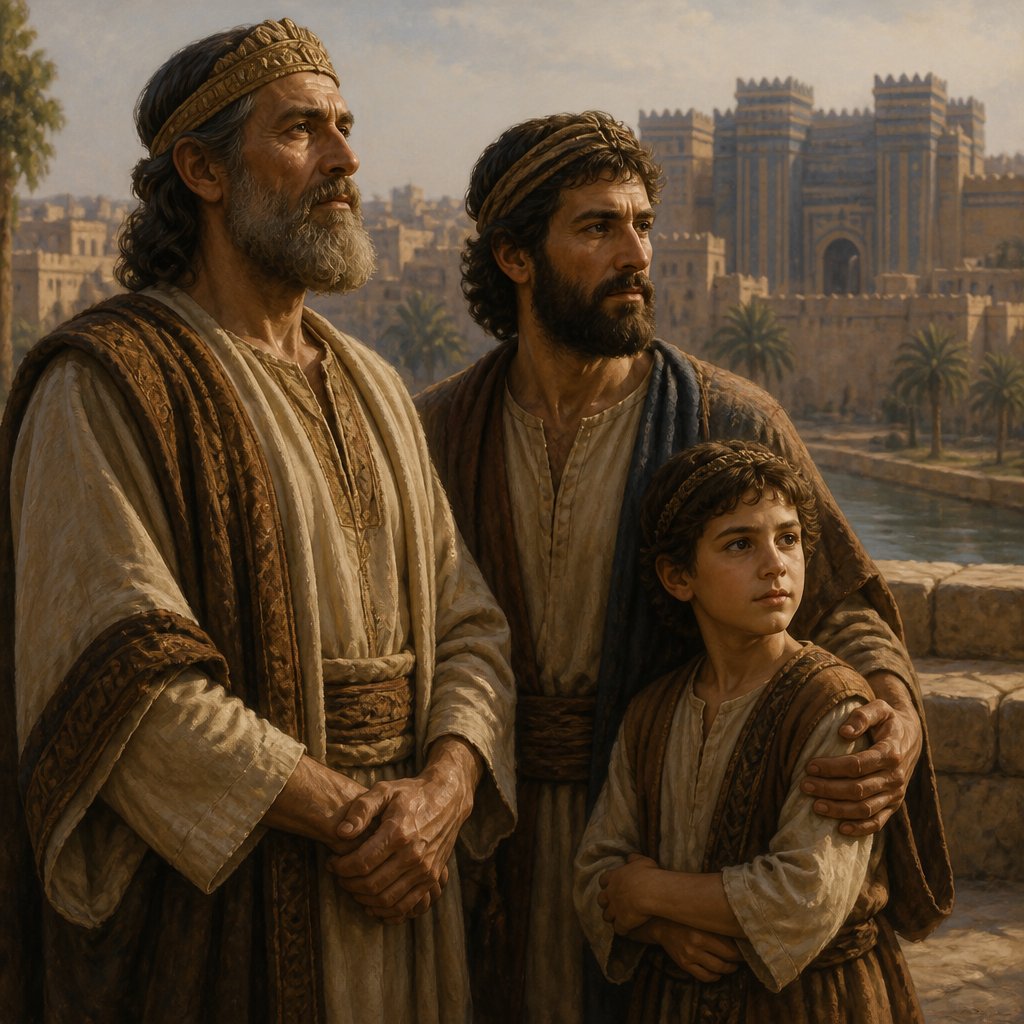
Matthew 1:12 (KJV) - "And after they were brought to Babylon, Jechonias begat Salathiel; and Salathiel begat Zorobabel;"
The book of Matthew is the first in the New Testament, and it begins with the genealogy of Jesus Christ. This genealogy traces Jesus' lineage back to King David and then to Abraham, showing that Jesus is the fulfillment of Old Testament prophecies and the promised Messiah. The verse Matthew 1:12 is part of this genealogy, specifically listing the descendants of Jechonias.
The verse begins by mentioning that "after they were brought to Babylon," referring to the exile of the Jewish people to Babylon. This event is a significant part of Jewish history and is a period of great suffering and adversity for the people of Israel. This context is important in understanding the significance of the genealogy and the eventual arrival of Jesus as the redeemer and savior of the Jewish people.
The verse then goes on to list the lineage from Jechonias to Salathiel and then from Salathiel to Zorobabel. Each of these names holds significance within the historical and biblical context. Jechonias, also known as Jehoiachin, was a king of Judah who was taken into captivity in Babylon. His reign was marked by unfaithfulness and disobedience to God, which ultimately led to the exile of the Jewish people.
Salathiel is believed to be the son of Jechonias, and he is mentioned in the Old Testament as the father of Zerubbabel. Zerubbabel is a key figure in the Old Testament, as he led the first group of exiles back to Jerusalem after the Babylonian captivity, and he played a crucial role in the rebuilding of the temple.
Symbolically, this genealogy represents the continuity of God's plan throughout generations. Despite the exile and hardships faced by the Jewish people, God remained faithful to His promise to bring forth a Messiah. The inclusion of Jechonias in the genealogy also highlights the theme of redemption and restoration. Even in the midst of disobedience and exile, God's plan for salvation continues to unfold.
The genealogy in the book of Matthew serves to establish Jesus' rightful place as the Messiah and the rightful heir to the throne of David. By tracing his lineage back to the great King David, Jesus is shown to be the fulfillment of the Old Testament prophecies regarding the Messiah.
Overall, Matthew 1:12 is a small verse within the larger context of the genealogy of Jesus. However, it carries significant meaning within the themes of salvation, redemption, and the faithfulness of God. It serves as a reminder that God's plan for His people extends across generations and that His promises are always fulfilled, even in the midst of adversity. The inclusion of historical figures and events within the genealogy adds depth and richness to the narrative, emphasizing the importance of Jesus' arrival as the long-awaited Savior.
Have questions about Matthew 1:12?
Dive deeper into this scripture with Bible Chat — an AI-powered tool for exploring God's Word through conversation. Ask questions, get context, and grow in your understanding of the Bible.
Get Our Apps


Matthew 1:12 Artwork

Matthew 1:12 - "And after they were brought to Babylon, Jechonias begat Salathiel; and Salathiel begat Zorobabel;"
"And after they were brought to Babylon, Jechonias begat Salathiel; and Salathiel begat Zorobabel;" - Matthew 1:12

Matthew 1:2

Matthew 1:2 - "Abraham begat Isaac; and Isaac begat Jacob; and Jacob begat Judas and his brethren;"

Matthew 2:1-12

Matthew 5:1 a 12

Matthew 2:1-12

Matthew 2:1-12

Matthew 5:1 a 12

Matthew 2:1-12

"Abraham begat Isaac; and Isaac begat Jacob; and Jacob begat Judas and his brethren;" - Matthew 1:2

Matthew 12:1 - "At that time Jesus went on the sabbath day through the corn; and his disciples were an hungred, and began to pluck the ears of corn, and to eat."

Matthew 3:11-12

Matthew 3:11-12

Matthew 3:12

Matthew 3:12

Matthew 23:12

Matthew 7:12

Matthew 23:12

Matthew 7:12

Matthew 3:12
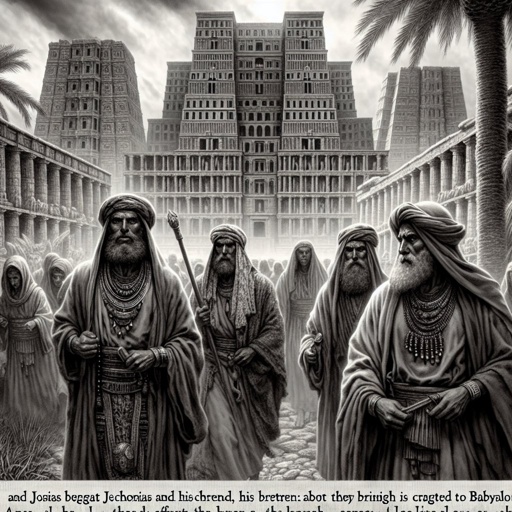
Matthew 1:11-12 - "And Josias begat Jechonias and his brethren, about the time they were carried away to Babylon: And after they were brought to Babylon, Jechonias begat Salathiel; and Salathiel begat Zorobabel."

Hosea 1:2-11;2:14;3:5

Matthew 12:36-37

matthew 12:36-37

Matthew 5:8-12

Matthew 12:36-37

Matthew 12:12 - "How much then is a man better than a sheep? Wherefore it is lawful to do well on the sabbath days."

Matthew 10:12 - "And when ye come into an house, salute it."

Matthew 12:21 - "And in his name shall the Gentiles trust."