What does Matthew 12:1-8 mean?
"At that time Jesus went on the sabbath day through the corn; and his disciples were an hungred, and began to pluck the ears of corn, and to eat. But when the Pharisees saw it, they said unto him, Behold, thy disciples do that which is not lawful to do upon the sabbath day. But he said unto them, Have ye not read what David did, when he was an hungred, and they that were with him; How he entered into the house of God, and did eat the shew bread, which was not lawful for him to eat, neither for them which were with him, but only for the priests? Or have ye not read in the law, how that on the sabbath days the priests in the temple profane the sabbath, and are blameless? But I say unto you, That in this place is one greater than the temple. But if ye had known what this meaneth, I will have mercy, and not sacrifice, ye would not have condemned the guiltless. For the Son of man is Lord even of the sabbath day." - Matthew 12:1-8
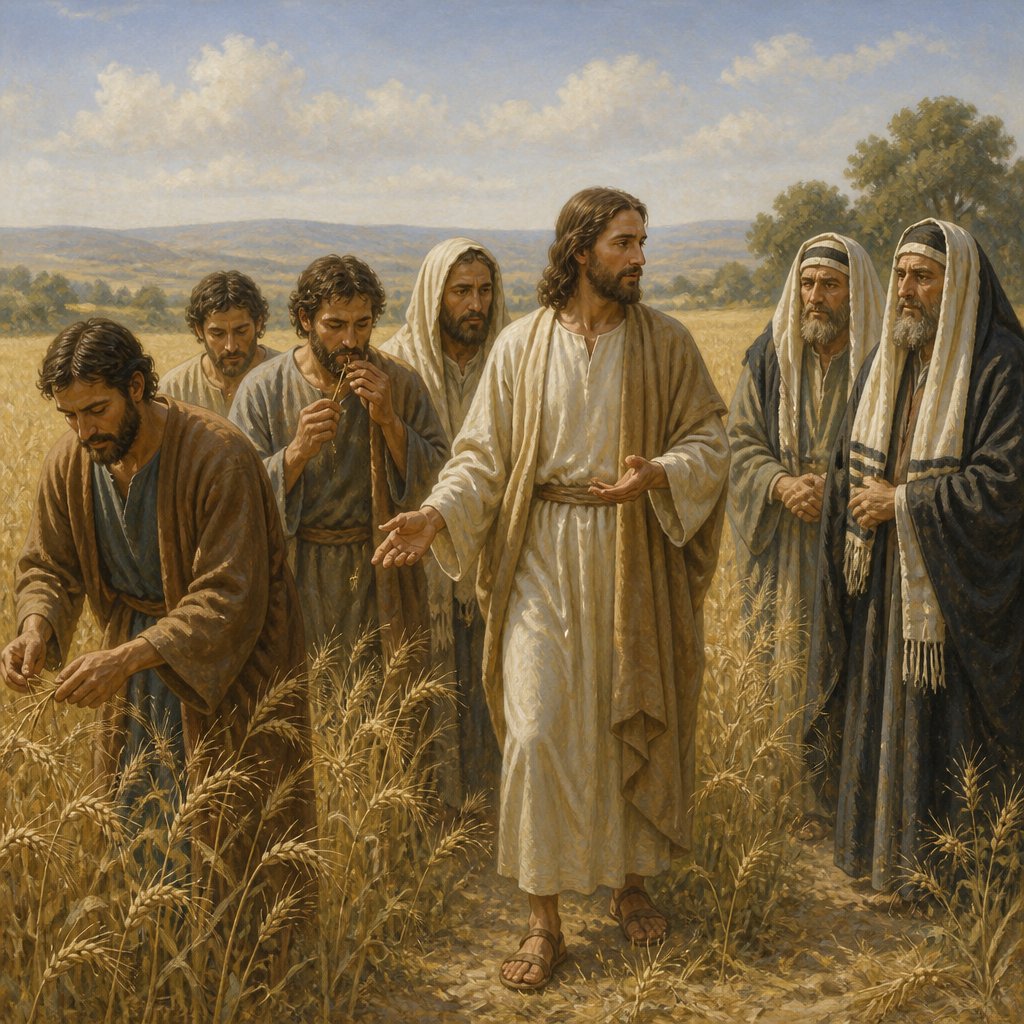
In the King James Version of the Bible, Matthew 12:1-8 reads:
"At that time Jesus went on the sabbath day through the corn; and his disciples were an hungred, and began to pluck the ears of corn and to eat. But when the Pharisees saw it, they said unto him, Behold, thy disciples do that which is not lawful to do upon the sabbath day. But he said unto them, Have ye not read what David did, when he was an hungred, and they that were with him; How he entered into the house of God, and did eat the shewbread, which was not lawful for him to eat, neither for them which were with him, but only for the priests? Or have ye not read in the law, how that on the sabbath days the priests in the temple profane the sabbath, and are blameless? But I say unto you, That in this place is one greater than the temple. But if ye had known what this meaneth, I will have mercy, and not sacrifice, ye would not have condemned the guiltless. For the Son of man is Lord even of the sabbath day."
One of the central themes present in these verses is the tension between religious tradition and the teachings of Jesus. This tension is exemplified by the Pharisees' rebuke of Jesus' disciples for plucking and eating grain on the Sabbath. In Jewish tradition, the Sabbath was a day of rest and observance, and the Pharisees' criticism stemmed from their strict adherence to the laws and customs surrounding this holy day.
However, Jesus challenges their understanding of the Sabbath by invoking examples from the Hebrew scriptures. He refers to the story of David and his companions eating the consecrated bread in the temple, which was normally reserved for the priests. Jesus also mentions the priests profaning the Sabbath by performing their duties in the temple, yet they were considered blameless. In doing so, Jesus highlights the precedence of human need and mercy over legalistic observance.
By citing these examples, Jesus emphasizes that the Sabbath was made for man, not man for the Sabbath. This is a profound statement that reorients the focus of religious observance from rigid adherence to rules to the well-being of individuals. Jesus asserts his authority as the "Lord of the Sabbath," indicating that he has the power to interpret and apply the Sabbath laws as he sees fit.
Furthermore, by referencing the prophet Hosea, Jesus implies that the Pharisees have misunderstood the true nature of God's commandments. He quotes Hosea 6:6, "For I desired mercy, and not sacrifice; and the knowledge of God more than burnt offerings." This serves as a reminder that acts of mercy and compassion hold greater significance in God's eyes than outward acts of religious ritual. Jesus not only challenges the Pharisees' interpretation of the law but also redirects their focus to the heart of God's intentions.
Symbolically, these verses illustrate the clash between the old traditions and the new teachings brought by Jesus. The plucking of the grain represents a departure from the established religious practices, while Jesus' response signifies a reinterpretation and fulfillment of the law. This encounter also foreshadows the greater conflict that will arise between Jesus and the religious authorities, ultimately leading to his crucifixion.
In a broader context, these verses convey the central message of Jesus' ministry – that of love, compassion, and mercy. They demonstrate a shift from legalistic religiosity to a deeper understanding of God's will for humanity. Through his teachings and actions, Jesus challenges the religious norms of his time and reveals a more profound spiritual truth.
Overall, Matthew 12:1-8 offers a rich and thought-provoking commentary on the nature of religious observance, the significance of mercy, and the authority of Jesus as the Lord of all. It challenges readers to reconsider their own interpretations of religious traditions and to prioritize acts of love and kindness in their spiritual lives.
Have questions about Matthew 12:1-8?
Dive deeper into this scripture with Bible Chat — an AI-powered tool for exploring God's Word through conversation. Ask questions, get context, and grow in your understanding of the Bible.
Get Our Apps


Matthew 12:1-8 Artwork

Matthew 12:1-8 - "At that time Jesus went through the grainfields on the Sabbath. His disciples were hungry and began to pick some heads of grain and eat them. When the Pharisees saw this, they said to him, “Look! Your disciples are doing what is unlawful on the Sabbath.” He answered, “Haven’t you read what David did when he and his companions were hungry? He entered the house of God, and he and his companions ate the consecrated bread—which was not lawful for them to do, but only for the priests. Or haven’t you read in the Law that the priests on Sabbath duty in the temple desecrate the Sabbath and yet are innocent? I tell you that something greater than the temple is here. If you had known what these words mean, ‘I desire mercy, not sacrifice,’ you would not have condemned the innocent. For the Son of Man is Lord of the Sabbath.”"
"At that time Jesus went through the grainfields on the Sabbath. His disciples were hungry and began to pick some heads of grain and eat them. When the Pharisees saw this, they said to him, “Look! Your disciples are doing what is unlawful on the Sabbath.” He answered, “Haven’t you read what David did when he and his companions were hungry? He entered the house of God, and he and his companions ate the consecrated bread—which was not lawful for them to do, but only for the priests. Or haven’t you read in the Law that the priests on Sabbath duty in the temple desecrate the Sabbath and yet are innocent? I tell you that something greater than the temple is here. If you had known what these words mean, ‘I desire mercy, not sacrifice,’ you would not have condemned the innocent. For the Son of Man is Lord of the Sabbath.”" - Matthew 12:1-8

ecclesiastes 12:1-8

ecclesiastes 12:1-8

ecclesiastes 12:1-8

ecclesiastes 12:1-8

ecclesiastes 12:1-8

Matthew 5:8-12

Matthew 12:8 - "For the Son of man is Lord even of the sabbath day."

Matthew 8:12 - "But the children of the kingdom shall be cast out into outer darkness: there shall be weeping and gnashing of teeth."

Matthew 13:8

Matthew 2:1-12

Matthew 5:1 a 12

Matthew 2:1-12

Matthew 2:1-12

Matthew 5:1 a 12

Matthew 2:1-12

Matthew 8:1-4
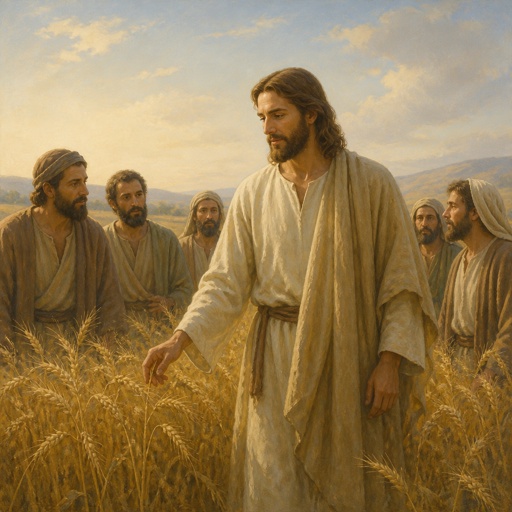
"For the Son of man is Lord even of the sabbath day." - Matthew 12:8
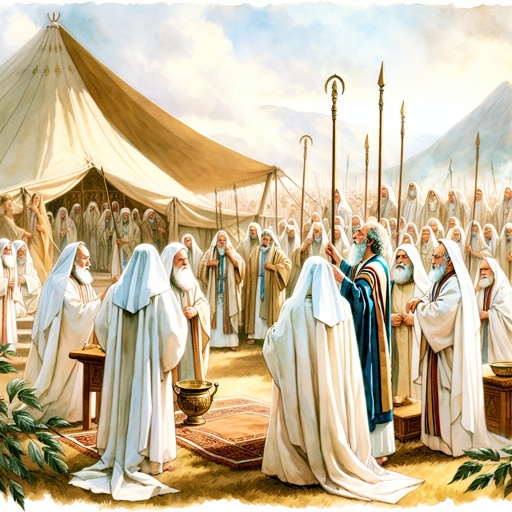
Leviticus 8:1-12

1 chronicles 12:8

Matthew 1:8 - "And Asa begat Josaphat; and Josaphat begat Joram; and Joram begat Ozias;"

Matthew 1:12 - "And after they were brought to Babylon, Jechonias begat Salathiel; and Salathiel begat Zorobabel;"

Matthew 8:1 - "When he was come down from the mountain, great multitudes followed him."

Matthew 12:1 - "At that time Jesus went on the sabbath day through the corn; and his disciples were an hungred, and began to pluck the ears of corn, and to eat."
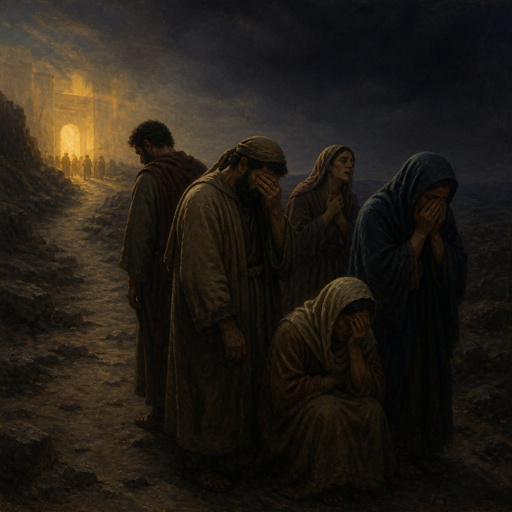
"But the children of the kingdom shall be cast out into outer darkness: there shall be weeping and gnashing of teeth." - Matthew 8:12

1 Kings 8:12 - "¶ Then spake Solomon, The LORD said that he would dwell in the thick darkness."

1 Corinthians 12:8 - "For to one is given by the Spirit the word of wisdom; to another the word of knowledge by the same Spirit;"

1 Chronicles 8:12 - "The sons of Elpaal; Eber, and Misham, and Shamed, who built Ono, and Lod, with the towns thereof:"

Matthew 8:13