What does Matthew 12:16 mean?
“And charged them that they should not make him known:” — Matthew 12:16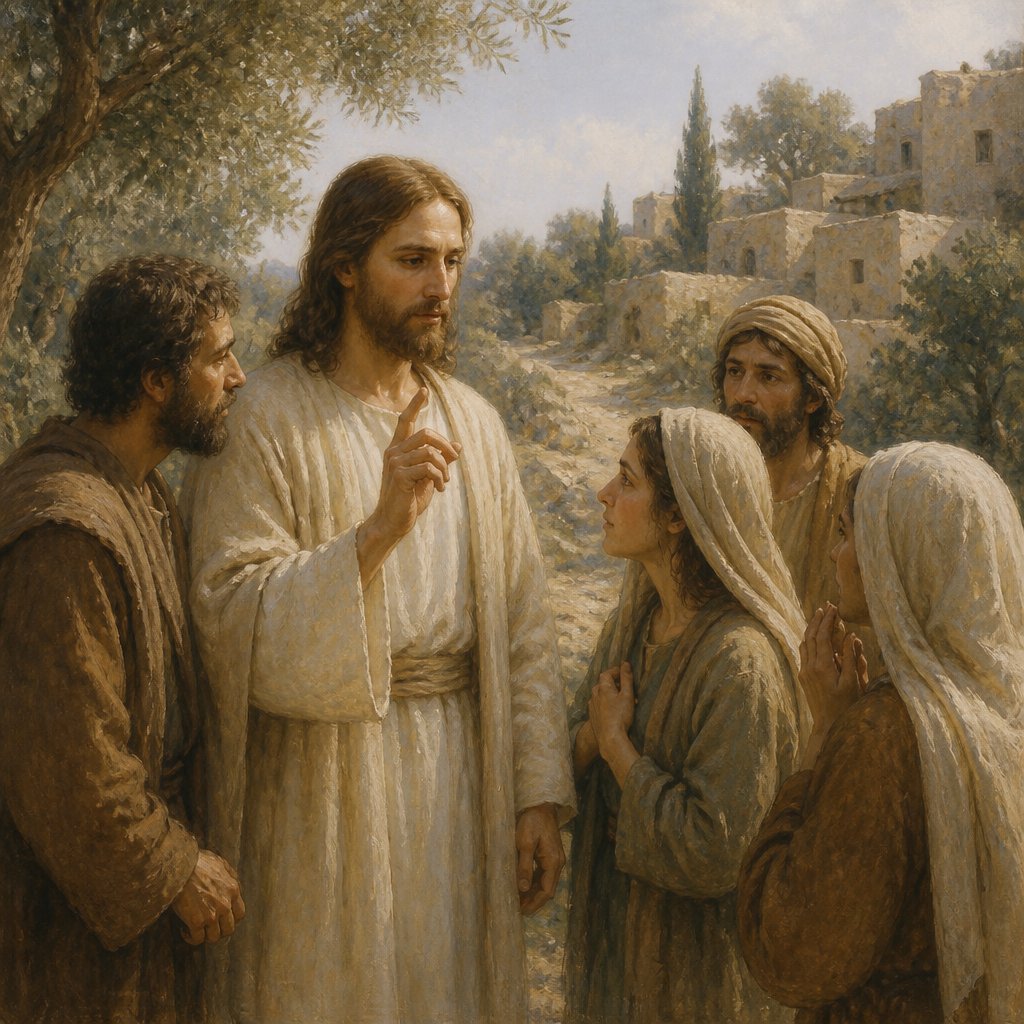
The Bible verse Matthew 12:16 from the King James Version (KJV) reads, "And charged them that they should not make him known." This verse comes from the New Testament, specifically from the book of Matthew, which is one of the four Gospels. The Gospels are the first four books of the New Testament and are considered to be the most important and foundational texts of Christianity.
In this verse, we see Jesus healing many people and casting out demons. The verse follows a pattern in the book of Matthew where Jesus performs miracles and then instructs those who witness them not to publicize the event. This pattern is known as the "Messianic Secret" and is a recurring theme throughout the Gospel of Matthew. It is often interpreted as a way for Jesus to control the spread of information about him and to prevent premature attempts to establish him as a political figure.
The context of this verse is important to its interpretation. At this point in the Gospel of Matthew, Jesus has been performing many miracles and gaining a following. His reputation as a healer and miracle worker has spread throughout the region, and people are eager to see his power for themselves. However, Jesus is not interested in gaining popularity through his miracles. Instead, he wants to focus on spreading his message of love, compassion, and forgiveness. By instructing those who witness his miracles not to make him known, Jesus is demonstrating humility and a desire to avoid drawing attention to himself for the wrong reasons.
The verse can be seen as a demonstration of Jesus' commitment to his mission and his understanding of the timing of his role as the Messiah. He knows that his ultimate purpose is to bring salvation to humanity through his death and resurrection, and he does not want to be sidetracked by becoming a mere spectacle of wonder and entertainment.
Symbolically, this verse can be interpreted as a lesson in humility and the proper use of power. Jesus, as the Son of God, has the ability to perform miraculous acts, yet he chooses not to seek praise and adoration from the people. Instead, he focuses on doing the will of his Father in heaven and demonstrating the true nature of his kingdom.
The verse also speaks to the theme of secrecy and revelation. Throughout the Gospel of Matthew, there is a tension between the public and private aspects of Jesus' ministry. On one hand, he performs miracles and teaches in public, drawing large crowds and gaining attention. On the other hand, he often withdraws to pray in solitude or instructs his disciples to keep certain things secret. This tension reflects the mysterious nature of God's kingdom and the gradual revelation of the truth to those who have ears to hear and eyes to see.
In summary, Matthew 12:16 from the King James Version of the Bible presents a powerful insight into the character and mission of Jesus. It highlights the tension between the public and private aspects of his ministry, as well as his desire to avoid seeking fame and glory for himself. This verse serves as a reminder of the humility and selflessness that Jesus embodied, and it challenges us to consider our own motivations and desires for recognition and praise. It also invites us to reflect on the mysterious and transformative nature of God's kingdom, which is not always revealed in obvious and grandiose ways.
Get our apps


Artwork for Matthew 12:16

Matthew 12:16 - "And charged them that they should not make him known:"
"And charged them that they should not make him known:" - Matthew 12:16

Matthew 16:12 - "Then understood they how that he bade them not beware of the leaven of bread, but of the doctrine of the Pharisees and of the Sadducees."
"Then understood they how that he bade them not beware of the leaven of bread, but of the doctrine of the Pharisees and of the Sadducees." - Matthew 16:12

Matthew 3:16

Matthew 3:16

Matthew 3:16

Matthew 16:25

Matthew 16:16 - "And Simon Peter answered and said, Thou art the Christ, the Son of the living God."

Matthew 3:11-12

Matthew 3:11-12

Matthew 3:12

Matthew 3:12

Matthew 23:12

Matthew 7:12

Matthew 23:12

Matthew 21:12-16 - "Matthew 21:12-16 Jesus entered the temple courts and drove out all who were buying and selling there. He overturned the tables of the money changers and the benches of those selling doves. “It is written,” he said to them, “‘My house will be called a house of prayer,’ but you are making it ‘a den of robbers.’” The blind and the lame came to him at the temple, and he healed them. But when the chief priests and the teachers of the law saw the wonderful things he did and the children shouting in the temple courts, “Hosanna to the Son of David,” they were indignant. "Do you hear what these children are saying?" they asked him. "Yes," replied Jesus, "have you never read, "'From the lips of children and infants you, Lord, have called forth your praise'?""

Matthew 7:12

Matthew 3:12

Matthew 19:16-17

Matthew 27:16 - "And they had then a notable prisoner, called Barabbas."

Matthew 2:1-12

Matthew 12:36-37

Matthew 5:1 a 12

matthew 12:36-37

Matthew 5:8-12

Matthew 2:1-12

Matthew 2:1-12

Matthew 24:16 - "Then let them which be in Judaea flee into the mountains:"

Matthew 5:1 a 12