What does Matthew 12:17 mean?
“That it might be fulfilled which was spoken by Esaias the prophet, saying,” — Matthew 12:17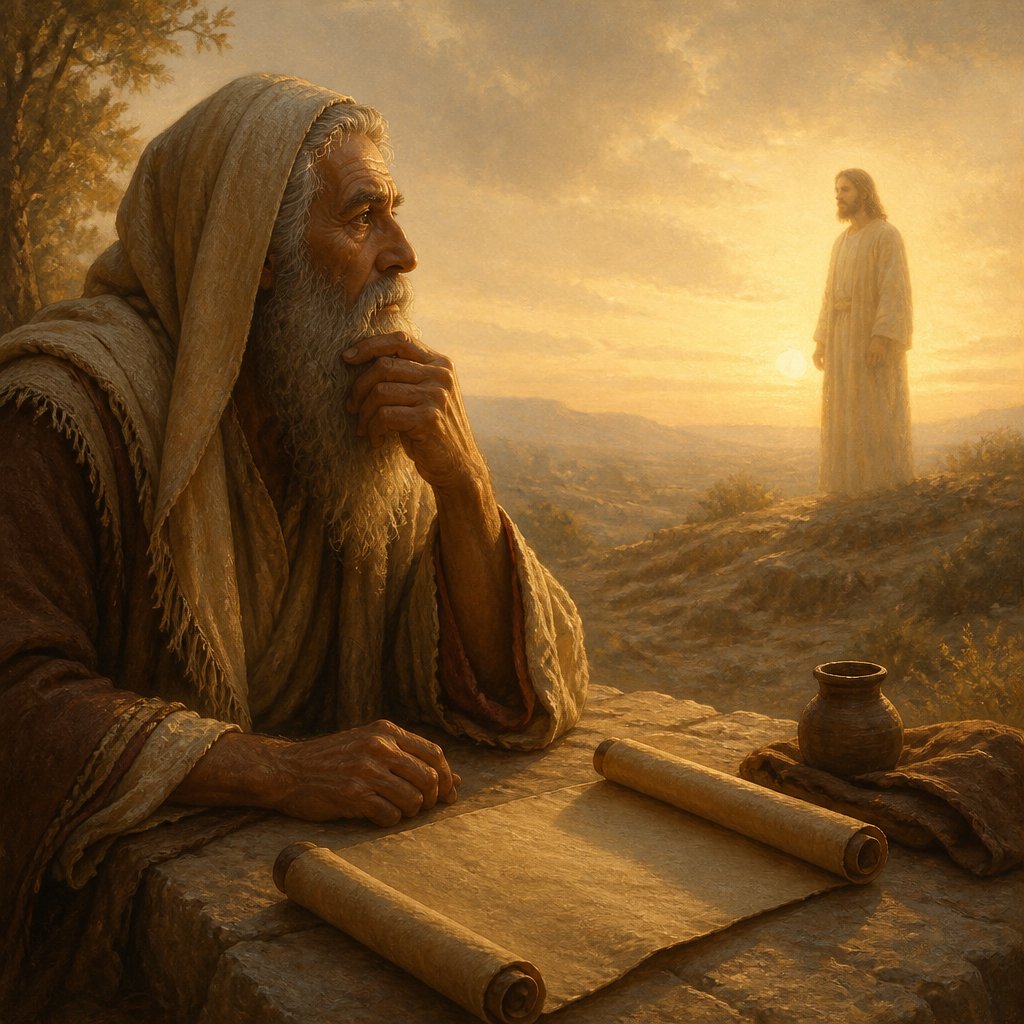
Matthew 12:17 (KJV) states, "That it might be fulfilled which was spoken by Esaias the prophet, saying, Behold my servant, whom I have chosen; my beloved, in whom my soul is well pleased: I will put my spirit upon him, and he shall shew judgment to the Gentiles."
This verse is taken from the New Testament of the Bible, specifically from the book of Matthew, which is one of the four gospels. In this particular verse, Matthew is quoting from the Old Testament book of Isaiah, chapter 42, verse 1. The verse in its original context in Isaiah reads, "Behold my servant, whom I uphold; mine elect, in whom my soul delighteth; I have put my spirit upon him: he shall bring forth judgment to the Gentiles."
In both the Old and New Testaments, this verse refers to the promised Messiah, who is Jesus Christ. The prophet Isaiah, who lived approximately 700 years before the birth of Jesus, spoke these words as a prediction of the coming of the Messiah. Matthew, in quoting this verse, is affirming that Jesus is indeed the fulfillment of this prophecy.
The verse in both Isaiah and Matthew speaks to several important themes, including the identity and mission of Jesus as the Messiah, the servant of God, and the light to the Gentiles. Let's delve deeper into these themes and the context of this verse to truly understand its meaning and significance.
First, the theme of Jesus as the fulfillment of prophecy is central to this verse. Throughout the Old Testament, there are numerous prophecies about the coming of a Savior, a Messiah, who will bring salvation and redemption to God's people. The New Testament, particularly the gospels, repeatedly highlights how Jesus fulfills these prophecies. In quoting Isaiah, Matthew is emphasizing that Jesus is the promised servant of God, chosen and beloved by God, who has come to fulfill the divine purpose and plan of salvation.
Secondly, the verse speaks to the identity of Jesus as the chosen servant of God. In both Isaiah and Matthew, the language used to describe the servant is significant. He is "chosen" and "beloved," indicating the special relationship and favor that God has towards him. This language also echoes the baptism of Jesus, where the voice from heaven declares, "This is my beloved Son, in whom I am well pleased" (Matthew 3:17). The affirmation of Jesus as God's chosen servant underscores his divine authority and mission on earth.
Furthermore, the verse speaks to the role of Jesus as a light to the Gentiles. In the Hebrew Bible, the term "Gentiles" refers to the non-Jewish nations, symbolizing the broader scope of God's redemptive plan. The prophecy in Isaiah and its fulfillment in Jesus emphasize that the salvation brought by the Messiah is not limited to the Jewish people but extends to all nations. This universal aspect of Jesus' mission is a recurring theme in the New Testament, emphasizing the inclusive nature of God's grace and salvation.
Additionally, the verse emphasizes the empowering presence of the Holy Spirit in the life and ministry of Jesus. Both Isaiah and Matthew speak of God putting His spirit upon the servant, indicating the divine anointing and empowerment for the task at hand. This divine empowerment is evident in the miracles, teachings, and acts of compassion performed by Jesus during his earthly ministry.
In conclusion, Matthew 12:17 is a rich and meaningful verse that encapsulates the identity, mission, and universal significance of Jesus as the promised Messiah. The verse draws upon the prophecy of Isaiah to affirm that Jesus is indeed the chosen servant, beloved by God, empowered by the Holy Spirit, and appointed to bring salvation and judgment to all people. It serves as a powerful reminder of the continuity and fulfillment of God's redemptive plan through the person and work of Jesus Christ.
Get our apps


Artwork for Matthew 12:17

Matthew 12:17 - "That it might be fulfilled which was spoken by Esaias the prophet, saying,"
"That it might be fulfilled which was spoken by Esaias the prophet, saying," - Matthew 12:17

Matthew 17:12 - "But I say unto you, That Elias is come already, and they knew him not, but have done unto him whatsoever they listed. Likewise shall also the Son of man suffer of them."

Matthew 17:17-18

Matthew 17:17-18

Matthew 6:17

Matthew 17:20

Matthew 17:20

Matthew 3:11-12

Matthew 3:11-12

Matthew 19:16-17

Matthew 6:17-18

Matthew 17:14-21

Matthew 17:14-15

Matthew 3:13-17

Matthew 3:12

Matthew 3:12

Matthew 23:12

Matthew 7:12

Matthew 23:12

Matthew 7:12

Matthew 3:12

Matthew 2:17 - "Then was fulfilled that which was spoken by Jeremy the prophet, saying,"

Matthew 17:21 - "Howbeit this kind goeth not out but by prayer and fasting."

Genesis 17-12

Matthew 2:1-12

Matthew 12:36-37

Matthew 5:1 a 12

Matthew 5:8-12

Matthew 2:1-12