What does Matthew 12:22 mean?
“Then was brought unto him one possessed with a devil, blind, and dumb: and he healed him, insomuch that the blind and dumb both spake and saw.” — Matthew 12:22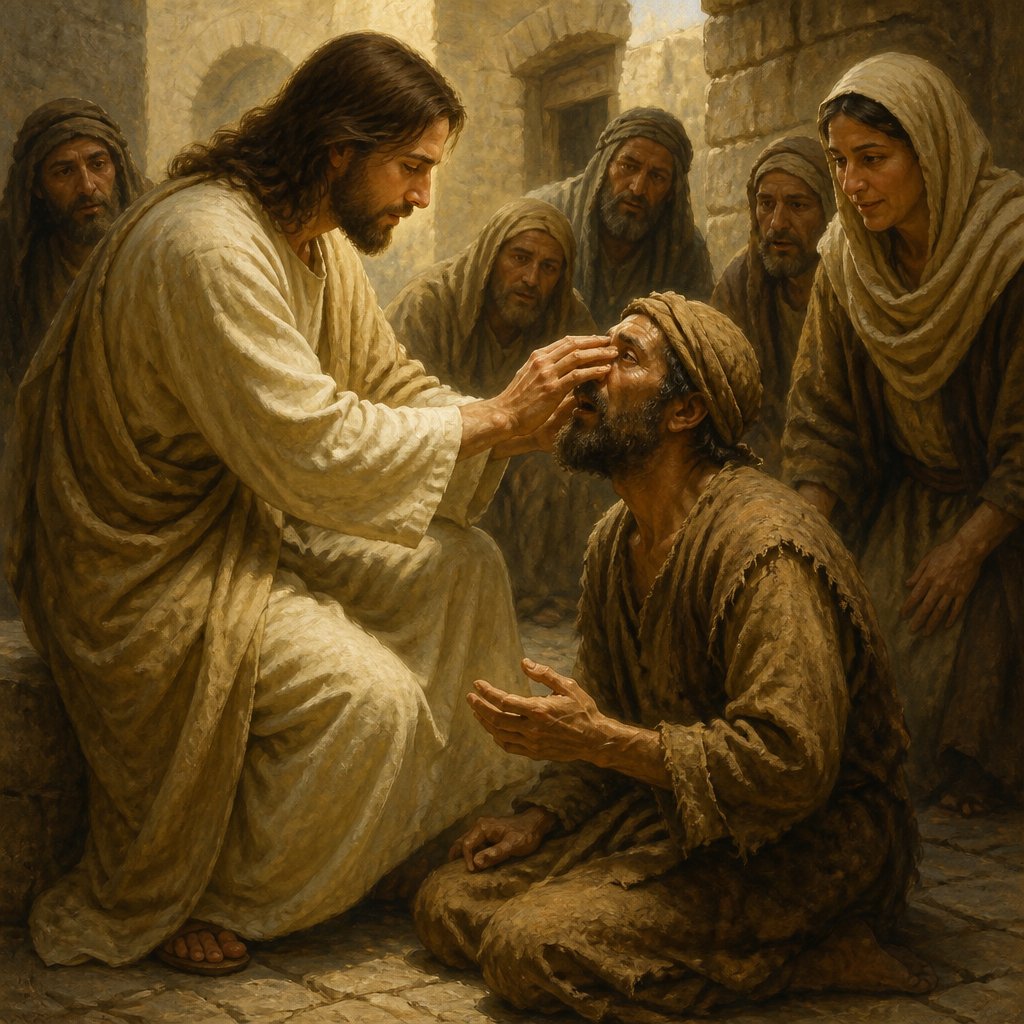
Matthew 12:22 (KJV)
"Then was brought unto him one possessed with a devil, blind, and dumb: and he healed him, insomuch that the blind and dumb both spake and saw."
This verse from the Gospel of Matthew describes a powerful and miraculous healing performed by Jesus. It is important to understand the context in which this verse occurs in order to fully appreciate its significance. In the preceding verses, Jesus has been accused by the Pharisees of casting out demons by the power of Beelzebub, the prince of demons. Jesus responds to this accusation by explaining that a kingdom divided against itself cannot stand, and that it is by the Spirit of God that he casts out demons. He also warns the Pharisees that speaking against the Holy Spirit is an unforgivable sin.
Immediately after this exchange, the scene shifts to the miraculous healing described in verse 22. A man who is possessed by a demon is brought to Jesus. This demon not only causes the man to be unable to speak, but also to be blind. The use of the phrase "possessed with a devil" in the King James Version can be better understood as "demon-possessed" in modern translations, and it emphasizes the severity of the man's condition. The fact that the man was both blind and unable to speak highlights the extent of the demonic influence over him.
The manner in which Jesus heals the man is notable. The verse states that Jesus "healed him, insomuch that the blind and dumb both spake and saw." This demonstrates the comprehensive nature of the healing, as both the man's blindness and inability to speak are addressed. It is a powerful display of Jesus' authority over the spiritual realm and his ability to bring about complete restoration.
The themes present in this verse are numerous and significant. One of the primary themes is the power and authority of Jesus. In this verse, Jesus not only demonstrates his ability to heal physical ailments, but also his authority over demons and the spiritual realm. This aligns with the overarching theme of the Gospel of Matthew, which presents Jesus as the long-awaited Messiah who has come to establish the kingdom of God on earth.
Another theme present in this verse is the compassion of Jesus. Despite the accusations and opposition he faces from the religious leaders, Jesus does not hesitate to heal the afflicted man. His actions reveal his heart of compassion and his desire to bring about wholeness and restoration to those who are suffering. This theme of compassion is a consistent aspect of Jesus' ministry throughout the Gospels.
The context of this verse also provides insight into the spiritual warfare that is taking place. The accusation from the Pharisees regarding Jesus' source of power and authority highlights the spiritual conflict that is occurring. Jesus' response to this accusation underscores the reality of the battle between the kingdom of God and the forces of darkness. The healing of the demon-possessed man serves as a visible demonstration of Jesus' victory over the powers of evil.
Symbolism can be found in the healing itself. The man's blindness and inability to speak can be seen as representative of the spiritual condition of humanity. In the biblical narrative, blindness often symbolizes spiritual ignorance or the inability to perceive the truth. Likewise, the inability to speak can represent the inability to communicate the message of God. The healing of the man can thus be interpreted as a symbol of the spiritual transformation and restoration that Jesus brings to those who come to him in faith.
In conclusion, Matthew 12:22 captures a significant moment in the ministry of Jesus, showcasing his power, compassion, and victory over the forces of darkness. The verse serves as a powerful reminder of Jesus' ability to bring about complete healing and restoration, both physically and spiritually. It also highlights the ongoing spiritual warfare that is central to the Christian faith. As such, this verse continues to inspire and encourage believers today, pointing them to the transformative power of Jesus and his unmatched authority.
Get our apps


Artwork for Matthew 12:22

Matthew 12:22 - "¶ Then was brought unto him one possessed with a devil, blind, and dumb: and he healed him, insomuch that the blind and dumb both spake and saw."
"¶ Then was brought unto him one possessed with a devil, blind, and dumb: and he healed him, insomuch that the blind and dumb both spake and saw." - Matthew 12:22
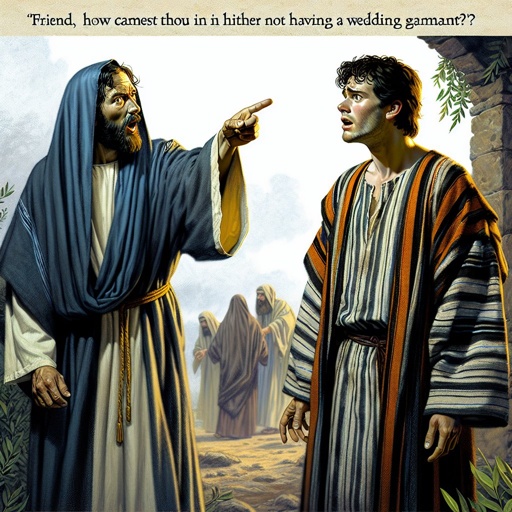
Matthew 22:12 - "And he saith unto him, Friend, how camest thou in hither not having a wedding garment? And he was speechless."

Matthew 9:21-22

Matthew 9:21-22

Matthew 9:21-22

Matthew 9:21-22

Matthew 9:21-22

Matthew 22:22 - "When they had heard these words, they marvelled, and left him, and went their way."

Matthew 6:22

Matthew 6:22
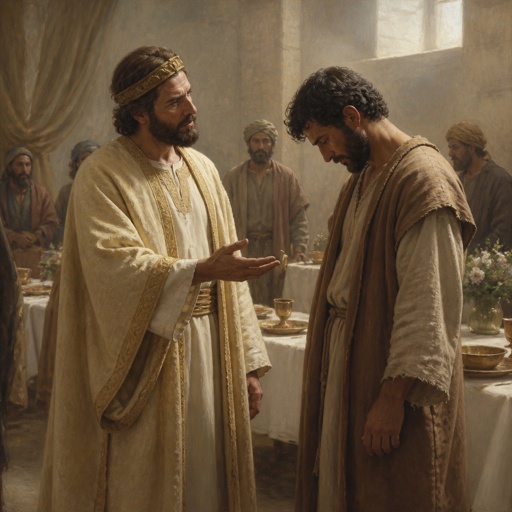
"And he saith unto him, Friend, how camest thou in hither not having a wedding garment? And he was speechless." - Matthew 22:12

Matthew 6:22

Matthew 22:38 - "This is the first and great commandment."

Matthew 14:22-33

Matthew 22:37-39

1 Corinthians 12:12-22

Matthew 3:11-12

Matthew 22:14 - "For many are called, but few are chosen."

Matthew 3:11-12

Matthew 22:36 - "Master, which is the great commandment in the law?"

Matthew 3:12

Matthew 3:12

Matthew 23:12

Matthew 7:12

Matthew 23:12

Matthew 22:27 - "And last of all the woman died also."

Matthew 22:26 - "Likewise the second also, and the third, unto the seventh."

Matthew 22:40 - "On these two commandments hang all the law and the prophets."

Matthew 7:12