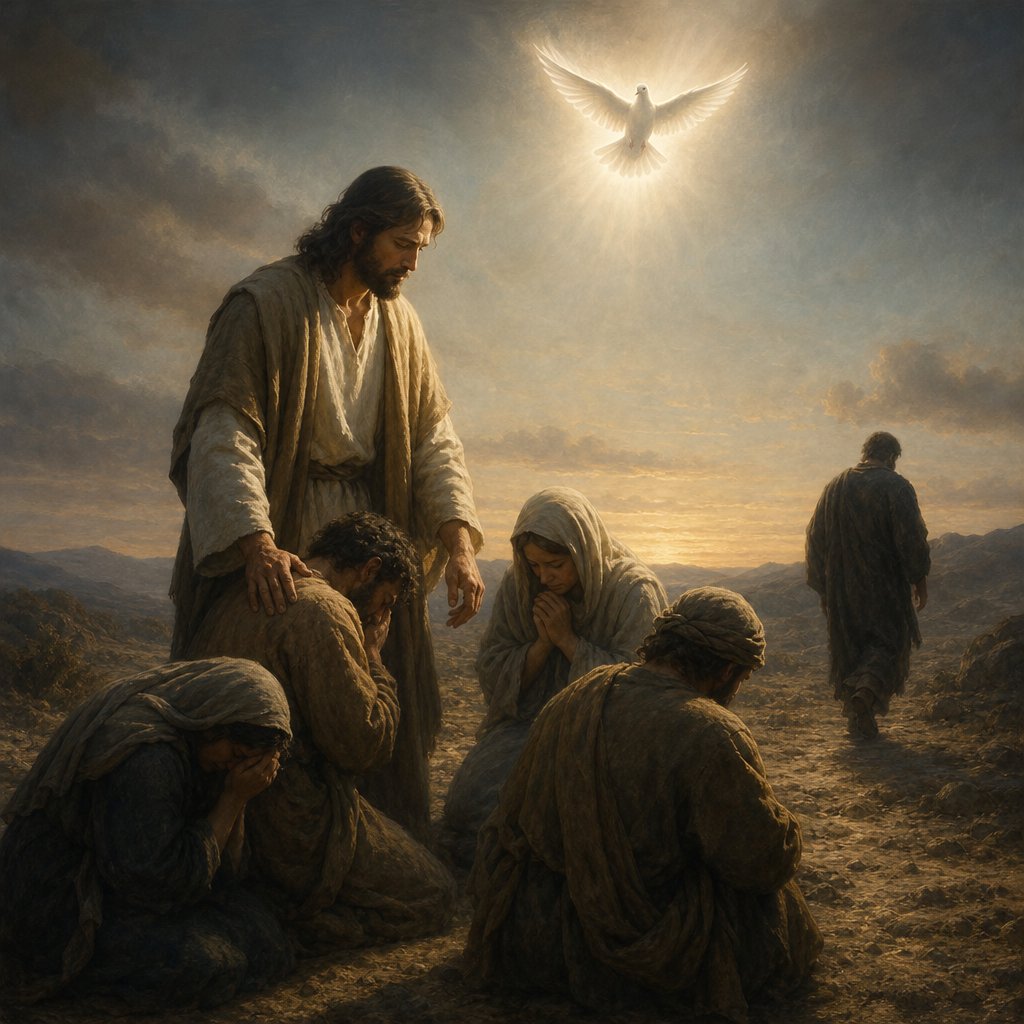
The Bible verse Matthew 12:31-32 from the King James Version (KJV) reads:
"Wherefore I say unto you, All manner of sin and blasphemy shall be forgiven unto men: but the blasphemy against the Holy Ghost shall not be forgiven unto men. And whosoever speaketh a word against the Son of man, it shall be forgiven him: but whosoever speaketh against the Holy Ghost, it shall not be forgiven him, neither in this world, neither in the world to come."
This verse is part of a larger passage in which Jesus confronts the Pharisees who accuse him of casting out demons by the power of Satan. Jesus responds to them by teaching about the unforgivable sin, which is often known as "blasphemy against the Holy Spirit."
The verse begins with Jesus emphasizing the extent of God's forgiveness, stating that "All manner of sin and blasphemy shall be forgiven unto men." This reflects a fundamental theme in Christianity - the idea of God's infinite capacity for forgiveness and mercy. It underscores the belief that no sin is too great for God to forgive if there is genuine repentance and a turning away from sinful behavior.
However, the verse then introduces the concept of a sin that cannot be forgiven - blasphemy against the Holy Spirit. This particular sin is singled out as being unforgivable, and it is this sin alone that will not be pardoned by God. This raises the stakes significantly, as it presents a stark contrast to the universal forgiveness that is offered for all other sins.
The reason why blasphemy against the Holy Spirit is considered unforgivable has been a topic of debate and interpretation among theologians. Some scholars have suggested that this sin is unforgivable because it involves a deliberate and willful rejection of the work of the Holy Spirit. In other words, it is not a sin committed in ignorance or a moment of weakness, but a calculated and persistent resistance to the work of God's Spirit.
Others have argued that this particular sin is unforgivable because it represents a rejection of the grace and forgiveness that are offered by God. By turning away from the Holy Spirit and attributing Christ's works to Satan, individuals are effectively closing themselves off from the source of forgiveness and redemption.
In the context of the passage, Jesus is speaking to the Pharisees who are openly hostile to him and are seeking to discredit his ministry. Their accusation that Jesus is casting out demons by the power of Satan is a direct affront to the work of the Holy Spirit, and it is in response to this specific situation that Jesus speaks about the unforgivable sin.
The verse also makes a distinction between speaking against the Son of Man (Jesus) and speaking against the Holy Spirit. While the former is forgivable, the latter is not. This underscores the importance of recognizing the role and the work of the Holy Spirit in the life of a believer.
Symbolically, the Holy Spirit is often associated with the transformative and sanctifying power of God. It is the Holy Spirit who enables believers to experience spiritual rebirth and empowers them to live a life that is pleasing to God. By speaking against the Holy Spirit, individuals are in essence rejecting the very source of their spiritual renewal and regeneration.
In conclusion, Matthew 12:31-32 addresses the serious and sobering reality of the unforgivable sin of blaspheming against the Holy Spirit. It underscores the principle that while God's forgiveness is vast and boundless, there is a limit to the rejection and defiance of the work of the Holy Spirit. This verse serves as a reminder of the need for humility, discernment, and a willingness to align with God's redemptive purposes as revealed by the Holy Spirit.
Get our apps


Artwork for Matthew 12:31-32

Matthew 12:31-32 - "And so I tell you, every kind of sin and slander can be forgiven, but blasphemy against the Spirit will not be forgiven. Anyone who speaks a word against the Son of Man will be forgiven, but anyone who speaks against the Holy Spirit will not be forgiven, either in this age or in the age to come."
"And so I tell you, every kind of sin and slander can be forgiven, but blasphemy against the Spirit will not be forgiven. Anyone who speaks a word against the Son of Man will be forgiven, but anyone who speaks against the Holy Spirit will not be forgiven, either in this age or in the age to come." - Matthew 12:31-32

Matthew 22:31-32 - "But as touching the resurrection of the dead, have ye not read that which was spoken unto you by God, saying, I am the God of Abraham, and the God of Isaac, and the God of Jacob? God is not the God of the dead, but of the living."

Luke 12:31-32 - "But rather seek ye the kingdom of God; and all these things shall be added unto you. Fear not, little flock; for it is your Father's good pleasure to give you the kingdom."

Titus 3:1-2
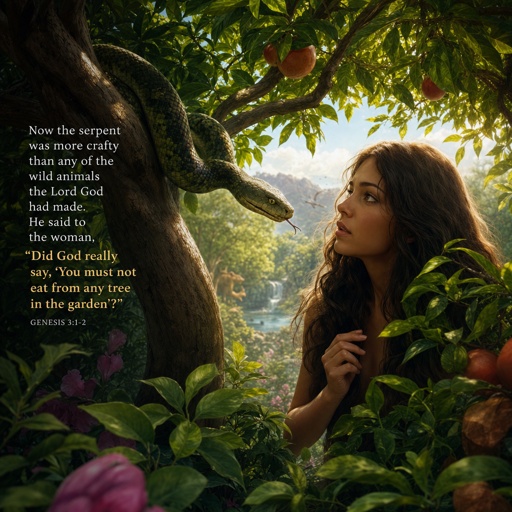
Genesis 3: 1-2

Titus 3:1-2

Matthew 12:32 - "And whosoever speaketh a word against the Son of man, it shall be forgiven him: but whosoever speaketh against the Holy Ghost, it shall not be forgiven him, neither in this world, neither in the world to come."

Matthew 12:31 - "¶ Wherefore I say unto you, All manner of sin and blasphemy shall be forgiven unto men: but the blasphemy against the Holy Ghost shall not be forgiven unto men."

Exodus 32:31-32 So Moses returned to the LORD and said, “Oh, what a great sin these people have committed! They have made gods of gold for themselves. / Yet now, if You would only forgive their sin.... But if not, please blot me out of the book that You have written.” Exodus 32:31-32

Matthew 8:32

Matthew 8:32

Matthew 8:32

Luke 22:31-32 - "Luke 22:31-32: And the Lord said, Simon, Simon, behold, Satan hath desired to have you, that he may sift you as wheat: But I have prayed for thee, that thy faith fail not: and when thou art converted, strengthen thy brethren."

matthew 25:31

Matthew 21:31

Matthew 13:31-32 - "Another parable put he forth unto them, saying, The kingdom of heaven is like to a grain of mustard seed, which a man took, and sowed in his field: Which indeed is the least of all seeds: but when it is grown, it is the greatest among herbs, and becometh a tree, so that the birds of the air come and lodge in the branches thereof."
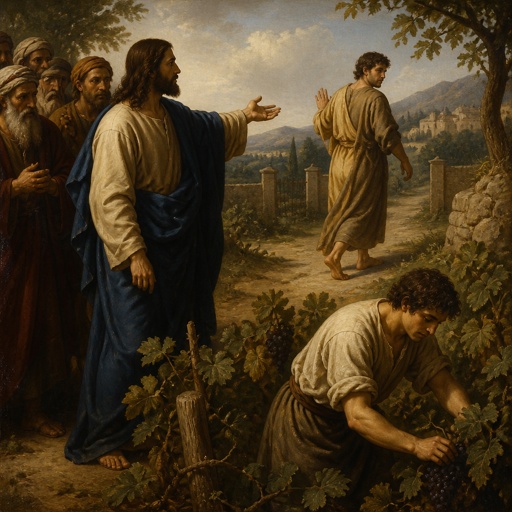
Matthew 21:28-32

Deuteronomy 32:31 - "For their rock is not as our Rock, even our enemies themselves being judges."

Job 31:32 - "The stranger did not lodge in the street: but I opened my doors to the traveller."

Matthew 24:30-31

Matthew 24:30-31

Matthew 24:30-31

Matthew 24:30-31

Matthew 24:30-31

Matthew 24:30-31

Matthew 24:30-31

Matthew 24:30-31

Matthew 24:30-31

Matthew 24:30-31