What does Matthew 12:5 mean?
“Or have ye not read in the law, how that on the sabbath days the priests in the temple profane the sabbath, and are blameless?” — Matthew 12:5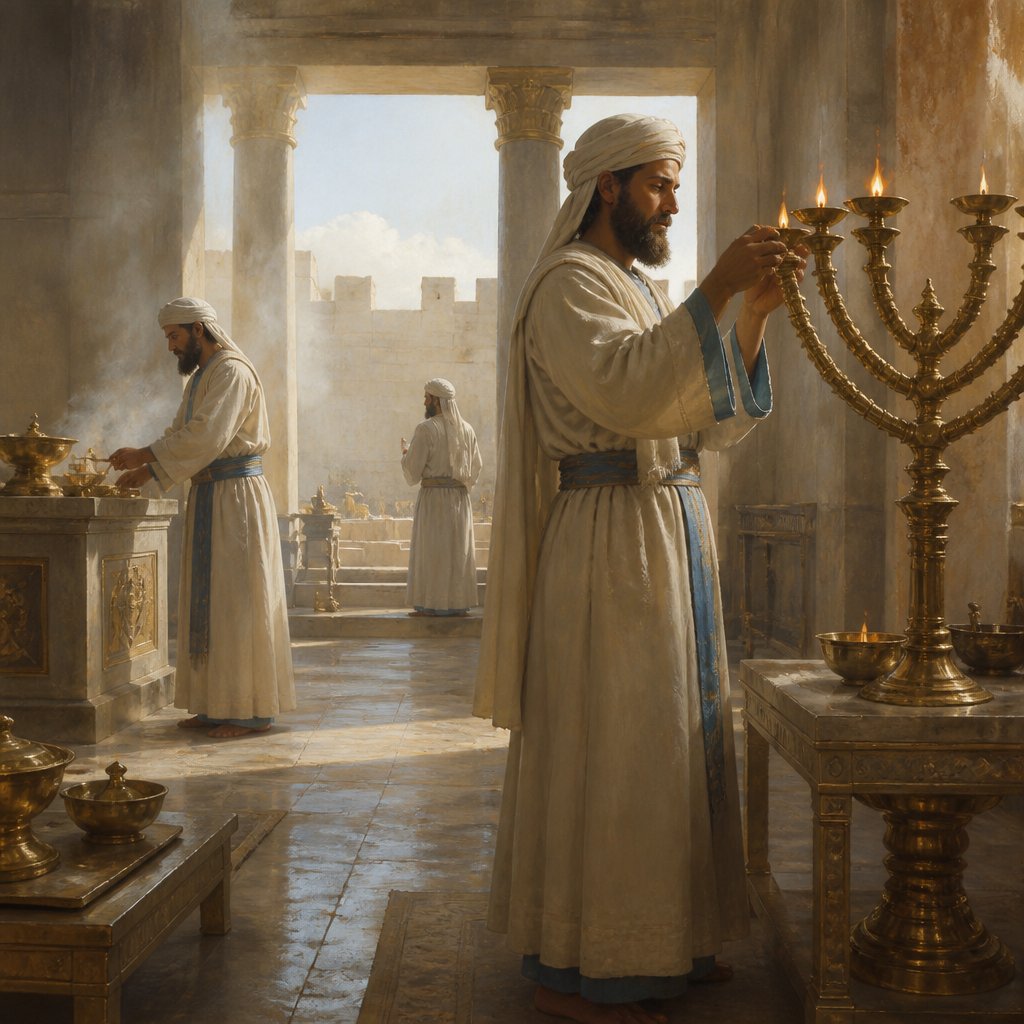
Matthew 12:5 from the King James Version of the Bible reads, "Or have ye not read in the law, how that on the sabbath days the priests in the temple profane the sabbath, and are blameless?" This verse is part of a larger passage where Jesus defends his disciples for picking and eating grain on the Sabbath, a day of rest according to Jewish law.
In this verse, Jesus is referring to a specific incident from the Old Testament that is found in the book of Leviticus. According to Leviticus 24:5-9, the priests were required to prepare and offer bread on the Sabbath as part of their religious duties. This required work to be done on the Sabbath, which was usually forbidden according to Jewish law. However, the priests were considered blameless for this apparent violation because their work was a part of their sacred duties to God.
The context of this verse is important for understanding its meaning and significance. Jesus is using this example to highlight the hypocrisy of the religious leaders of his time. While they criticized Jesus and his disciples for breaking the Sabbath laws by picking grain, they themselves were guilty of similar actions. By referencing the specific instance of the priests working on the Sabbath, Jesus is challenging the religious authorities and exposing their flawed interpretation and application of the law.
One of the themes present in this verse is the contrast between legalism and mercy. The religious leaders of Jesus' time were often more focused on upholding strict adherence to the law without considering the human needs and circumstances. Jesus, on the other hand, emphasized compassion and forgiveness, challenging the rigid interpretation of the law. He demonstrated that the heart of the law is to show mercy and love, rather than blindly following rules.
Another significant theme in this verse is the authority of Jesus as a teacher and interpreter of the law. By referencing the Old Testament and using it to defend his disciples' actions, Jesus is asserting his authority as the fulfillment of the law and the ultimate interpreter of its true meaning. He is not simply breaking the Sabbath laws, but is redefining and explaining their true intent.
In terms of symbolism, the Sabbath itself holds a symbolic meaning as a time of rest and reflection. The Sabbath was instituted by God as a day of rest and worship, and it symbolizes the rest that comes from trusting in God's provision. When Jesus and his disciples engage in activities on the Sabbath, they are symbolically representing the new covenant and the freedom that comes from resting in Jesus.
Furthermore, the actions of the priests mentioned in this verse also hold symbolic significance. The priests, who are responsible for mediating between God and the people, represent a foreshadowing of Jesus' role as the ultimate high priest. Through their blameless work on the Sabbath, the priests point to the sacrificial and redemptive work of Jesus, who fulfilled the requirements of the law and made a way for humanity to be blameless before God.
In conclusion, Matthew 12:5 from the King James Version of the Bible carries significant meaning and commentary on the interpretation of the Sabbath laws, the authority of Jesus as a teacher, and the broader themes of legalism and mercy. This verse serves as a reminder to consider the heart behind the law, the compassion and love that should guide our actions, and the ultimate fulfillment of the law in Jesus Christ.
Get our apps


Artwork for Matthew 12:5

Matthew 12:5 - "Or have ye not read in the law, how that on the sabbath days the priests in the temple profane the sabbath, and are blameless?"
"Or have ye not read in the law, how that on the sabbath days the priests in the temple profane the sabbath, and are blameless?" - Matthew 12:5

Matthew 5:1 a 12

Matthew 5:8-12

Matthew 5:1 a 12
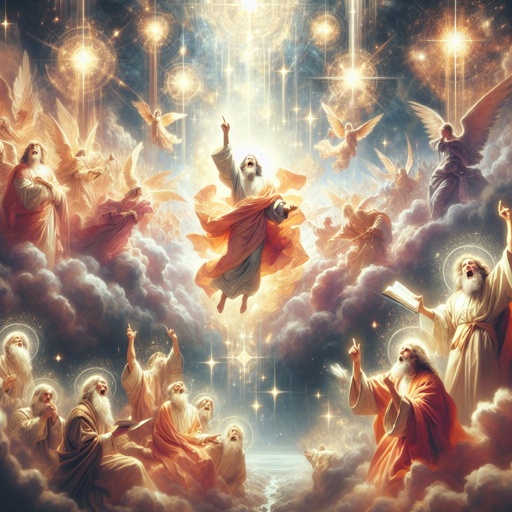
Matthew 5:12 - "Rejoice, and be exceeding glad: for great is your reward in heaven: for so persecuted they the prophets which were before you."

...for so persecuted they the prophets which were before you." Matthew 5:12
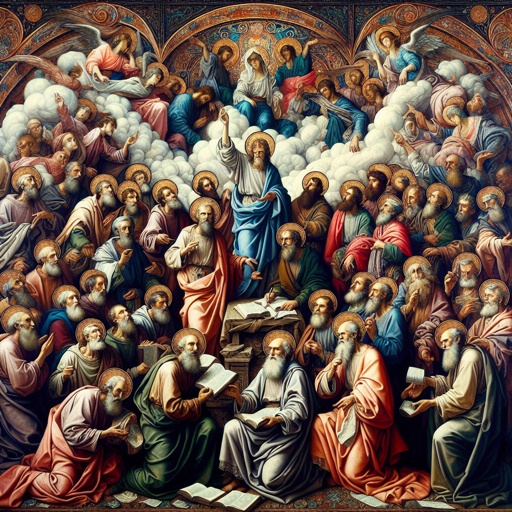
...for so persecuted they the prophets which were before you." Matthew 5:12

...for so persecuted they the prophets which were before you." Matthew 5:12

Matthew 5:5 - "Blessed are the meek: for they shall inherit the earth."

Matthew 3:11-12

Matthew 5:44

Matthew 5:44

Matthew 5

Matthew 5

Matthew 3:11-12

Matthew 5:44

Matthew 5:44

Matthew 5
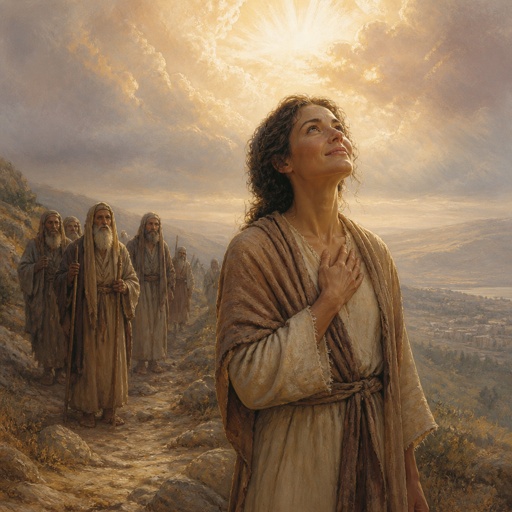
"Rejoice, and be exceeding glad: for great is your reward in heaven: for so persecuted they the prophets which were before you." - Matthew 5:12

Matthew 3:12

Matthew 3:12

Matthew 23:12

Matthew 7:12

Matthew 23:12

Matthew 7:12

Matthew 3:12

Matthew 5:44

Matthew 5:44

Matthew 5:14