What does Matthew 12:6 mean?
“But I say unto you, That in this place is one greater than the temple.” — Matthew 12:6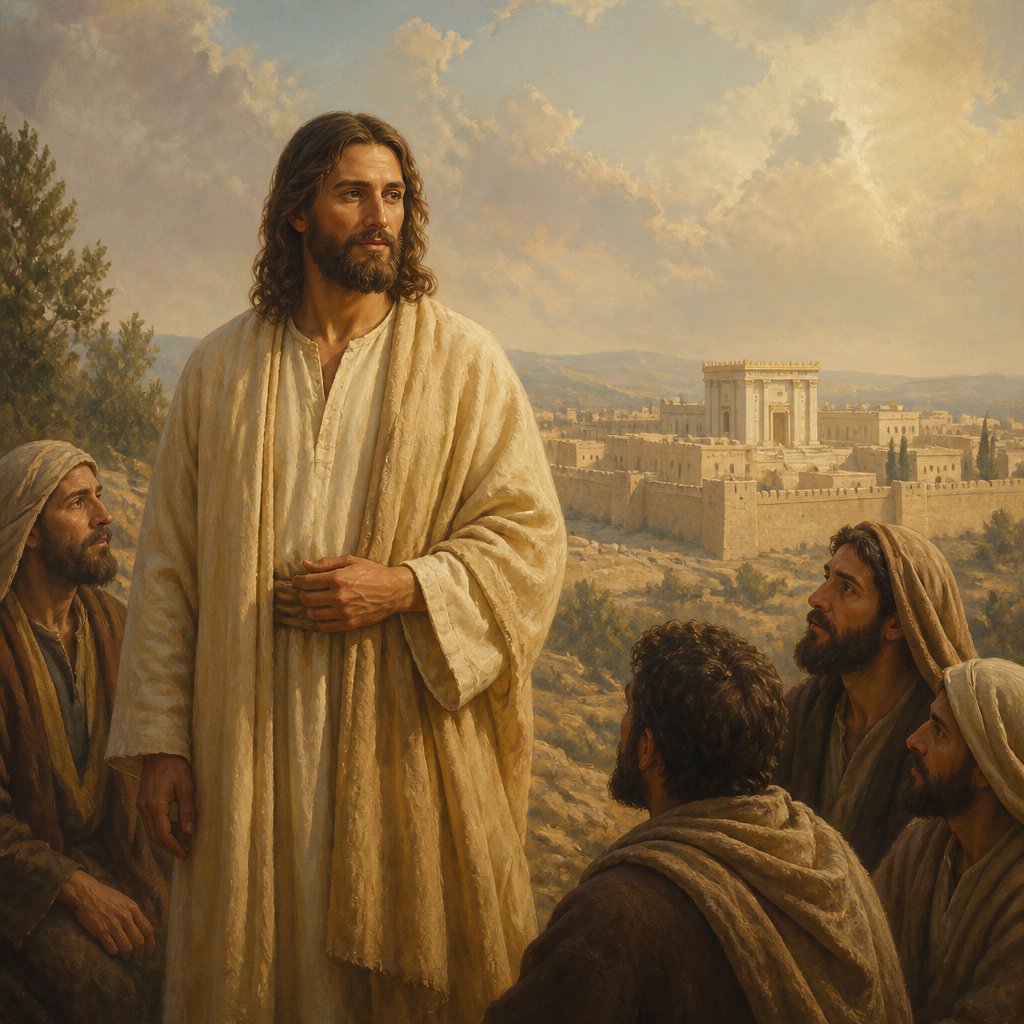
Matthew 12:6 (KJV) states, "But I say unto you, That in this place is one greater than the temple." This verse is part of a larger passage in which Jesus is defending his disciples who are accused of breaking the Sabbath by picking grain and eating it. In this particular verse, Jesus is explaining that he has the authority to do what is traditionally considered unlawful on the Sabbath.
The context of this verse is important for understanding its deeper meaning. Jesus and his disciples are being challenged by the Pharisees, who are the religious leaders of the time. The Pharisees are known for their strict adherence to the law and their outward displays of religious piety. In this passage, they are questioning Jesus' authority and his interpretation of the Sabbath law.
When Jesus says, "That in this place is one greater than the temple," he is making a powerful statement about his own authority and the significance of his mission. The temple was the center of Jewish religious life, and it was considered to be the dwelling place of God. It was a sacred and revered place, and the Pharisees placed a great deal of importance on upholding the rules and regulations associated with it. By claiming to be greater than the temple, Jesus is asserting his own divine authority and challenging the traditional understanding of religious hierarchy.
One of the key themes in this verse is the conflict between religious tradition and the radical message of Jesus. Throughout the gospels, Jesus clashes with the religious establishment, challenging their interpretations of the law and calling attention to the deeper spiritual truths behind the outward practices. In this verse, Jesus is criticizing the Pharisees' narrow focus on the rules and rituals of the law, and he is calling attention to the greater spiritual reality that he represents.
Another important theme in this verse is the authority of Jesus. By claiming to be greater than the temple, Jesus is asserting his own authority and demonstrating that he has the power to interpret and even supersede the traditional religious norms. This theme is a recurring motif in the gospels, as Jesus constantly challenges the status quo and presents himself as the ultimate authority on matters of faith and morality.
The symbolism in this verse is also rich and multi-layered. The temple is a symbol of religious authority and tradition, and by claiming to be greater than the temple, Jesus is pointing to his own status as the ultimate source of spiritual truth. His statement can also be seen as a foreshadowing of the destruction of the temple, which occurred just a few decades after his death. This event symbolized the end of the old religious order and the establishment of a new way of relating to God through Jesus.
In conclusion, Matthew 12:6 is a powerful and thought-provoking verse that reveals deep truths about the authority of Jesus and the nature of his mission. It challenges the religious establishment of the time and presents a radical vision of spiritual truth that transcends traditional norms and practices. This verse continues to inspire and challenge readers today, inviting us to consider the authority of Jesus in our own lives and to reexamine our own religious traditions in light of his teachings.
Get our apps


Artwork for Matthew 12:6

Matthew 12:6 - "But I say unto you, That in this place is one greater than the temple."
"But I say unto you, That in this place is one greater than the temple." - Matthew 12:6

Matthew 6:12 - "And forgive us our debts, as we forgive our debtors."
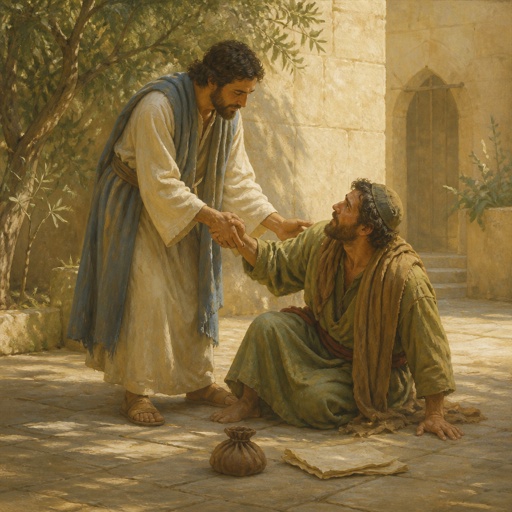
"And forgive us our debts, as we forgive our debtors." - Matthew 6:12

Matthew 6:6

Matthew 3:11-12

Matthew 6:23

Matthew 3:11-12

Matthew 3:12

Matthew 3:12

Matthew 23:12

Matthew 7:12

Matthew 23:12

Matthew 7:12

Matthew 3:12

Matthew 18:6

Matthew 6:34

Matthew 18:6

Matthew 6:18

Matthew 6:14

Matthew 6:22

Matthew 6:24

Matthew 6:30

Matthew 6:22

Matthew 6:5

Matthew 6:34

Matthew 6:24

Matthew 6:2

Matthew 6:2

Matthew 6:34