What does Matthew 12:8 mean?
“For the Son of man is Lord even of the sabbath day.” — Matthew 12:8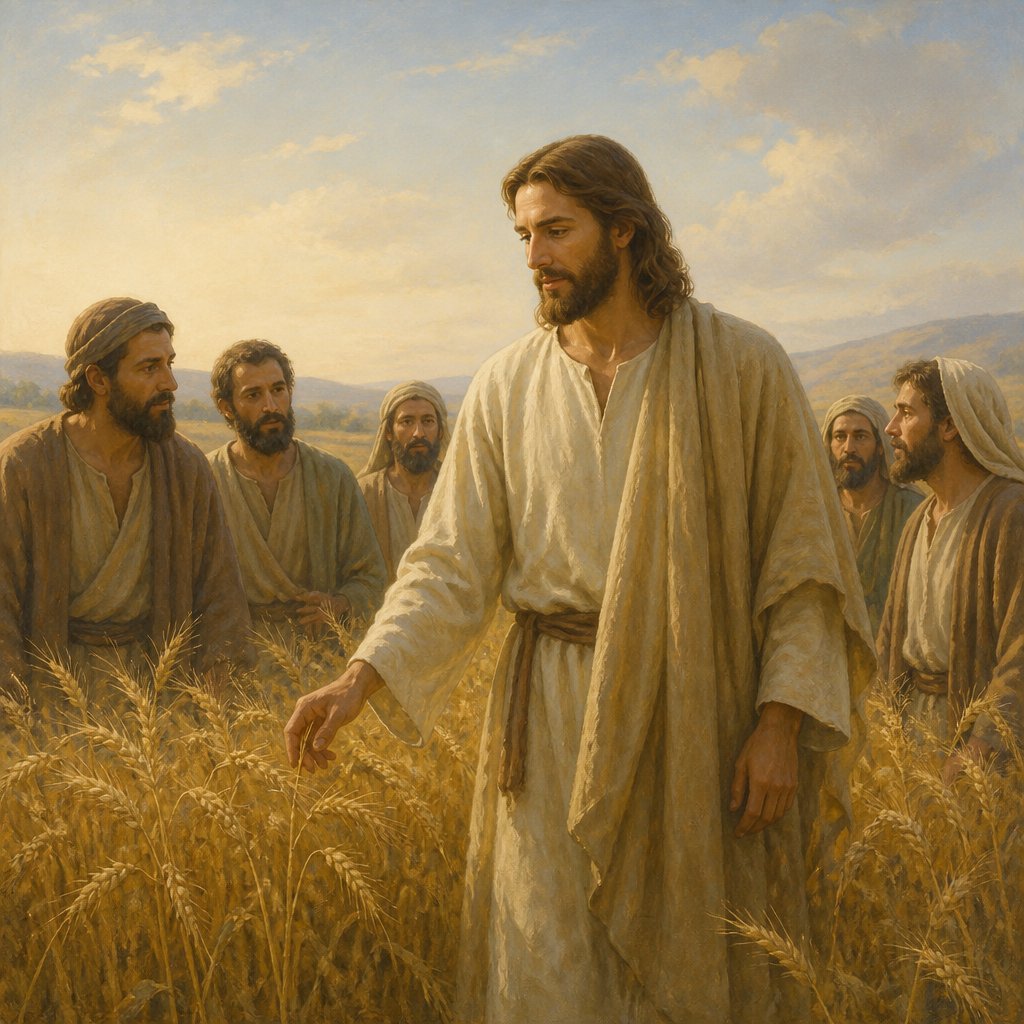
Matthew 12:8 (KJV) states: "For the Son of man is Lord even of the sabbath day."
This verse is significant in the Gospel of Matthew, as it occurs in a passage where Jesus is being challenged by the Pharisees for supposedly breaking the Sabbath by allowing his disciples to pluck and eat grain on the Sabbath day. In response, Jesus reminds them of the story of David and his men eating the showbread, which was meant only for the priests, and how the priests themselves work on the Sabbath in the temple. He then declares himself as the Lord of the Sabbath, signaling his authority to interpret and apply the Sabbath law as the Son of Man.
The context of this verse is highly important in understanding its significance. The Sabbath was a core part of Jewish religious life, marking a day of rest and worship in accordance with the commandment given to Moses on Mount Sinai (Exodus 20:8-11). However, the Pharisees had developed an extensive set of rules and regulations regarding the Sabbath, and they criticized Jesus for not adhering to their interpretations. In response, Jesus challenges their legalistic approach and claims authority over the Sabbath, which would have been shocking and controversial to the religious leaders of the time.
The theme of this verse is the authority of Jesus as the Son of Man and Lord of the Sabbath. By asserting his authority over the Sabbath, Jesus is making a bold declaration about his identity and his relationship to the Jewish religious tradition. This assertion of authority is a recurring theme throughout the Gospel of Matthew, as Jesus demonstrates his power through teaching, healing, and miracles, and challenges the religious authorities of his day.
The symbolism of this verse lies in the significance of the Sabbath itself. The Sabbath was a central aspect of Jewish identity and faith, and it served as a sign of the covenant between God and the people of Israel. By claiming to be the Lord of the Sabbath, Jesus is asserting his role as the mediator of a new covenant, one that transcends the boundaries of traditional religious practice and opens up a new way of relating to God.
Furthermore, Jesus as the Son of Man is a title with deep significance in the Gospel of Matthew. It is a Messianic title that emphasizes Jesus' humanity and his role as the ideal representative of humanity. By claiming authority over the Sabbath as the Son of Man, Jesus is establishing his rightful place as the fulfillment of the Messianic promises in the Hebrew Scriptures.
In a broader theological sense, this verse points to Jesus' role as the one who brings rest and renewal. In the Gospel of Matthew, Jesus invites those who are weary and burdened to come to him for rest (Matthew 11:28). By asserting his authority over the Sabbath, Jesus is presenting himself as the source of true rest and spiritual fulfillment, inviting his followers to find their ultimate rest in him.
In conclusion, Matthew 12:8 is a significant and richly layered verse that captures Jesus' authority and identity as the Son of Man and Lord of the Sabbath. Its themes of authority, covenant, and rest resonate throughout the Gospel of Matthew, and its symbolism points to the profound significance of Jesus' role in the fulfillment of God's plan for salvation. As a key moment in the ongoing conflict between Jesus and the religious leaders of his day, this verse marks a turning point in the narrative of the Gospel and reveals profound truths about Jesus' mission and purpose.
Get our apps


Artwork for Matthew 12:8

Matthew 12:8 - "For the Son of man is Lord even of the sabbath day."
"For the Son of man is Lord even of the sabbath day." - Matthew 12:8

Matthew 5:8-12

Matthew 8:12 - "But the children of the kingdom shall be cast out into outer darkness: there shall be weeping and gnashing of teeth."
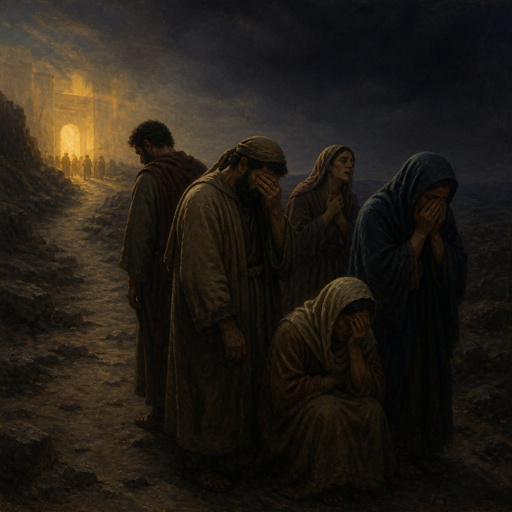
"But the children of the kingdom shall be cast out into outer darkness: there shall be weeping and gnashing of teeth." - Matthew 8:12

Matthew 8:13

Matthew 8:13

Matthew 8:13

Matthew 8:32

Matthew 8:32

Matthew 8:32

Matthew 3:11-12

Matthew 3:11-12

Matthew 3:12

Matthew 3:12

Matthew 23:12

Matthew 7:12

Matthew 23:12

Matthew 7:12

Matthew 3:12

Matthew 24:8

Matthew 13:8

matthew 8:28

Matthew 2:1-12

Matthew 12:36-37

Matthew 5:1 a 12

matthew 12:36-37

Matthew 2:1-12

Matthew 2:1-12

Matthew 5:1 a 12