What does Matthew 13:57 mean?
“And they were offended in him. But Jesus said unto them, A prophet is not without honour, save in his own country, and in his own house.” — Matthew 13:57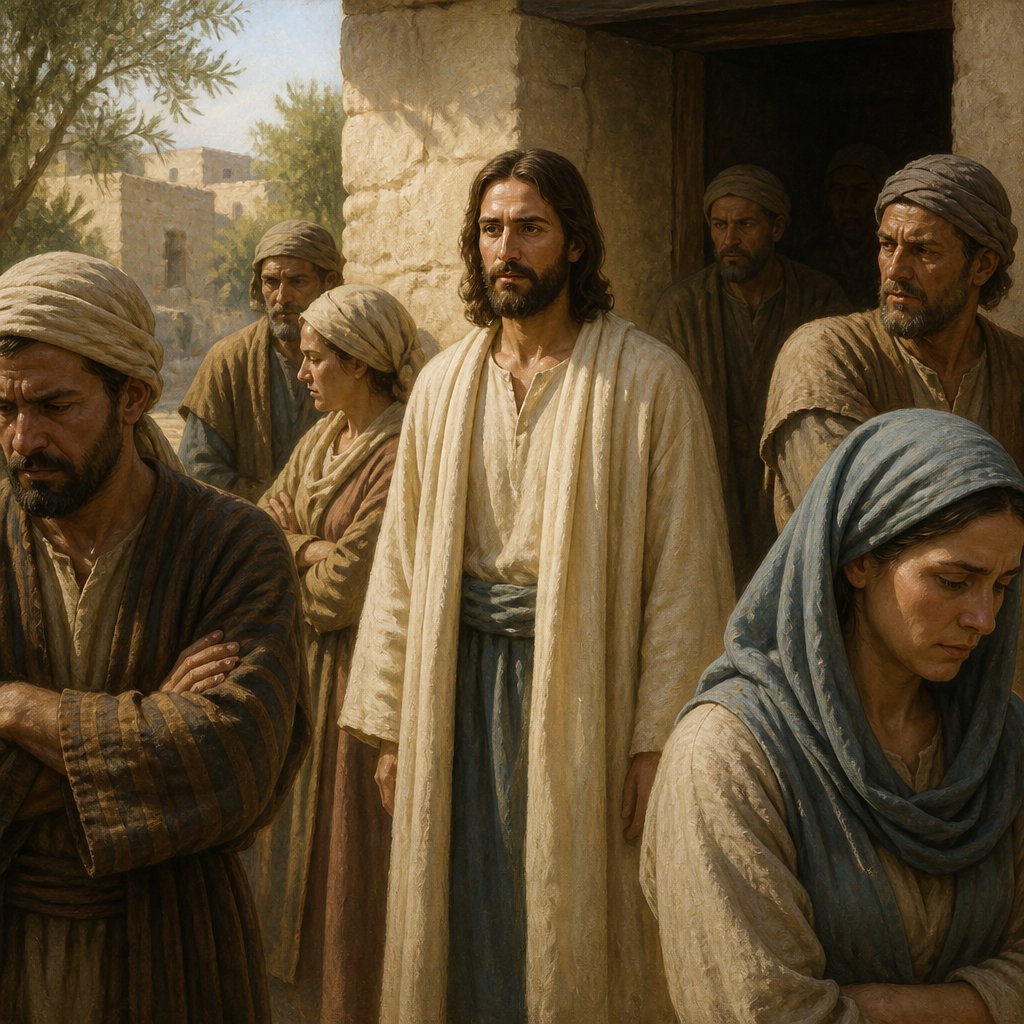
Matthew 13:57 in the King James Version (KJV) reads, "And they were offended in him. But Jesus said unto them, A prophet is not without honor, save in his own country, and in his own house." This verse comes in the context of Jesus' visit to his hometown of Nazareth. He had been teaching in the synagogue, and the people were amazed at his wisdom and the miracles he performed. However, instead of embracing him as the long-awaited Messiah, they were offended by him.
The verse carries with it deep themes of rejection, honor, and the nature of true faith. It also highlights the enigma of Jesus' identity and the human tendency to overlook the profound in the familiar.
The theme of rejection is central to this verse. Jesus, who was seen as an ordinary man by the people of Nazareth, was not taken seriously as a divine messenger. The people were unable to see past their familiarity with Jesus, failing to recognize the divine wisdom and authority he possessed. Their lack of faith in him resulted in their offense at his teachings and acts of miraculous power. This rejection is profoundly sad, as it demonstrates the human tendency to reject what is unfamiliar and extraordinary when it does not conform to our preconceived notions and expectations.
The theme of honor is also present in this verse. Jesus, in responding to the people's offense, points out that a prophet is not without honor except in his own country and among his own people. This statement underscores the human tendency to devalue the familiar and overlook the greatness of those who are closest to us. It also speaks to the irony that those who should have been the first to recognize and honor Jesus' divine authority were the ones who rejected him.
Furthermore, this verse addresses the nature of true faith. Instead of embracing Jesus as the Son of God, the people of Nazareth allowed their disbelief and familiarity with him to cloud their judgment. This serves as a cautionary tale and a reminder that true faith requires an open mind to recognize and honor the divine in the ordinary, and the extraordinary in the familiar.
The context in which this verse appears is also noteworthy. Jesus had been going through Galilee, teaching and performing miracles, and had gained a following. Yet, when he returned to his own hometown, the people reacted differently. This context emphasizes the rejection and offense the people took at Jesus, as well as their inability to recognize his divine authority due to their familiarity with him. This context also underscores the significance of Jesus' humanity, as he was both divine and familiar to those around him.
Symbolically, this verse highlights the enigma of Jesus' identity. He was both fully human and fully divine, and this caused confusion and offense to those who perceived him as merely human. It also symbolizes the challenge of recognizing the divine in the familiar and the need to approach the familiar with an open heart and mind.
In conclusion, Matthew 13:57 in the King James Version carries deep themes of rejection, honor, and the nature of true faith. It also highlights the enigma of Jesus' identity and the human tendency to overlook the profound in the familiar. Through this verse, we are called to reexamine our own attitudes towards the familiar and the extraordinary, and to approach both with humility and openness.
Get our apps


Artwork for Matthew 13:57

Matthew 13:57 - "And they were offended in him. But Jesus said unto them, A prophet is not without honour, save in his own country, and in his own house."
"And they were offended in him. But Jesus said unto them, A prophet is not without honour, save in his own country, and in his own house." - Matthew 13:57

Matthew 27:57 - "When the even was come, there came a rich man of Arimathaea, named Joseph, who also himself was Jesus' disciple:"

Matthew 26:57 - "¶ And they that had laid hold on Jesus led him away to Caiaphas the high priest, where the scribes and the elders were assembled."

Leviticus 13:57 - "And if it appear still in the garment, either in the warp, or in the woof, or in any thing of skin; it is a spreading plague: thou shalt burn that wherein the plague is with fire."
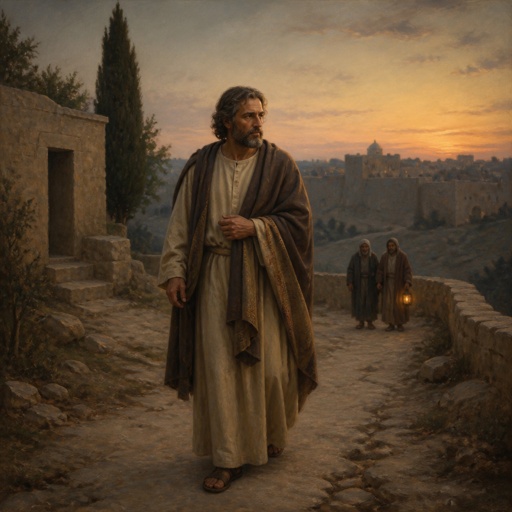
"When the even was come, there came a rich man of Arimathaea, named Joseph, who also himself was Jesus' disciple:" - Matthew 27:57

Matthew 13

Matthew 8:13

Matthew 8:13

Matthew 8:13

Matthew 13
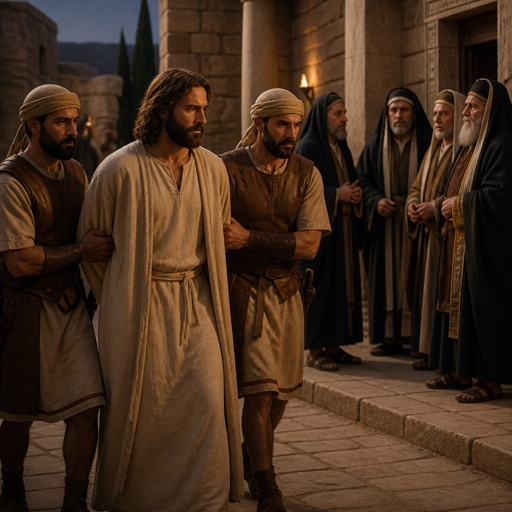
"¶ And they that had laid hold on Jesus led him away to Caiaphas the high priest, where the scribes and the elders were assembled." - Matthew 26:57

Matthew 7:13-14

Matthew 7:13-14

Matthew 7:13-14

Matthew 7:13-14

Matthew 7:13-14

Matthew 7:13-14

Matthew 7:13-14

Isaiah 57:13 - "¶ When thou criest, let thy companies deliver thee; but the wind shall carry them all away; vanity shall take them: but he that putteth his trust in me shall possess the land, and shall inherit my holy mountain;"

Matthew 7:13-14

Matthew 7:13-14

Matthew 7:13-14

Matthew 7:13-14

Matthew 7:13

Matthew 2:13

Matthew 13:8

Matthew 6:13

Matthew 2:13

Matthew 19:13