What does Matthew 14:11 mean?
“And his head was brought in a charger, and given to the damsel: and she brought it to her mother.” — Matthew 14:11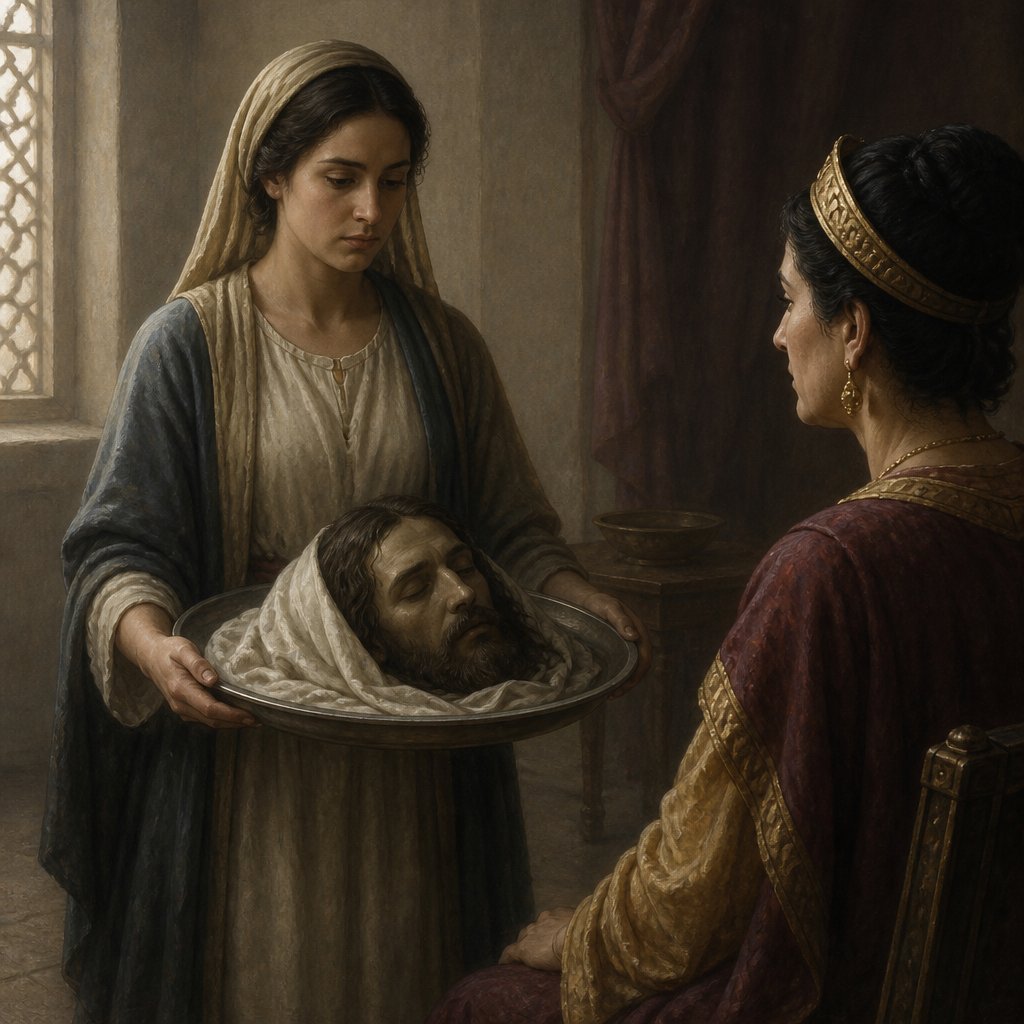
The Bible verse Matthew 14:11, as written in the King James Version (KJV), states, "And his head was brought in a charger, and given to the damsel: and she brought it to her mother." This verse comes from the story of the beheading of John the Baptist, a significant event in the New Testament. To understand the meaning and commentary of this verse, it is important to examine the broader context of the passage and consider the themes and symbolism at play.
In the preceding verses, we learn that John the Baptist had been imprisoned by King Herod because he had publicly denounced Herod's marriage to his brother's wife, Herodias, as unlawful. Herod was hesitant to kill John because he knew he was a righteous and holy man, but he was ultimately convinced to do so by Herodias' daughter, who performed a dance that pleased him. In return, Herod promised to give her whatever she asked for, up to half his kingdom. Prompted by her mother, she requested the head of John the Baptist on a platter, and Herod, despite his reluctance, fulfilled her request in front of his guests.
This verse is a powerful and sobering depiction of the consequences of righteousness and the persecution of those who speak truth to power. John the Baptist was a prominent figure in the New Testament, known for his austere lifestyle and unwavering commitment to proclaiming the coming of the Messiah. His beheading at the hands of a corrupt and fearful ruler illustrates the clash between the kingdom of God and the kingdoms of this world. It serves as a reminder of the suffering and sacrifice that often accompany faithfulness to God's truth.
The imagery of John's head being brought in a charger and given to the damsel is disturbing and brutal, emphasizing the shocking brutality of his death. The use of the word "charger" refers to a platter or a large dish, and the act of presenting the head in this manner adds a gruesome and dehumanizing element to the narrative. The nonchalant delivery of the severed head to the young girl, who then presents it to her mother, conveys the callousness and moral depravity of those involved in John's execution.
Symbolically, the beheading of John the Baptist also foreshadows the crucifixion of Jesus Christ. Both events involve the unjust punishment of righteous individuals at the hands of secular authorities, and both serve as pivotal moments in the fulfillment of God's plan for salvation. John's death points to the broader theme of persecution and martyrdom that runs throughout the Bible, as well as the ultimate triumph of faith over worldly powers.
In a broader theological sense, John's martyrdom is a testament to the cost of discipleship and the reality of suffering for the sake of Christ. His willingness to speak truth to power, even at the risk of his own life, challenges believers to consider the depth of their own commitment to following God's will. It also serves as a poignant example of the persecution faced by prophets and messengers throughout history, echoing the words of Jesus in Matthew 5:10-12, "Blessed are they which are persecuted for righteousness' sake: for theirs is the kingdom of heaven."
Ultimately, Matthew 14:11 is a poignant and haunting verse that prompts readers to reflect on the intersection of power, truth, and sacrifice. It serves as a stark reminder of the high cost that can accompany faithfulness to God's word and the enduring relevance of the biblical narrative in confronting the complexities of human nature and the search for justice and righteousness.
Get our apps


Artwork for Matthew 14:11

Matthew 14:11 - "And his head was brought in a charger, and given to the damsel: and she brought it to her mother."
"And his head was brought in a charger, and given to the damsel: and she brought it to her mother." - Matthew 14:11

Matthew 11:14 - "And if ye will receive it, this is Elias, which was for to come."
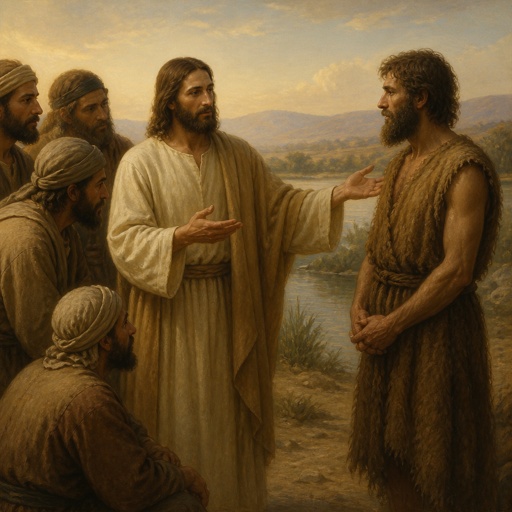
"And if ye will receive it, this is Elias, which was for to come." - Matthew 11:14

Matthew 14:22-33

Matthew 7:13-14

Matthew 7:13-14

Matthew 7:13-14

Matthew 7:13-14

Matthew 7:13-14

Matthew 7:13-14

Matthew 7:13-14

Matthew 3:11

Matthew 3:11

Matthew 3:11

Matthew 3:11

Matthew 3:11

Matthew 3:11

Matthew 7:13-14

Matthew 7:13-14

Matthew 7:13-14

Matthew 7:13-14

Matthew 3:11-12

Matthew 5:14

Matthew 6:14

Matthew 5:14

Matthew 3:11-12
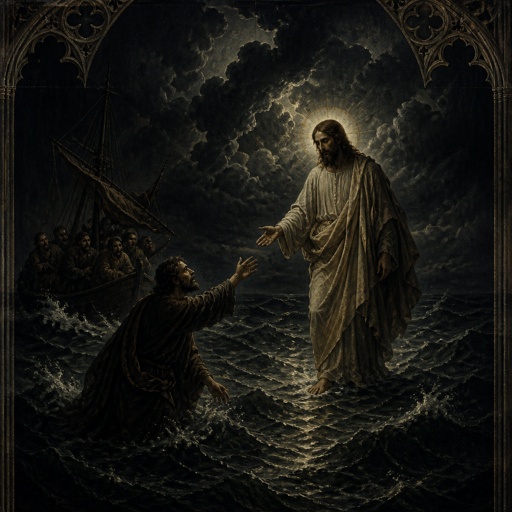
Matthew 14:27
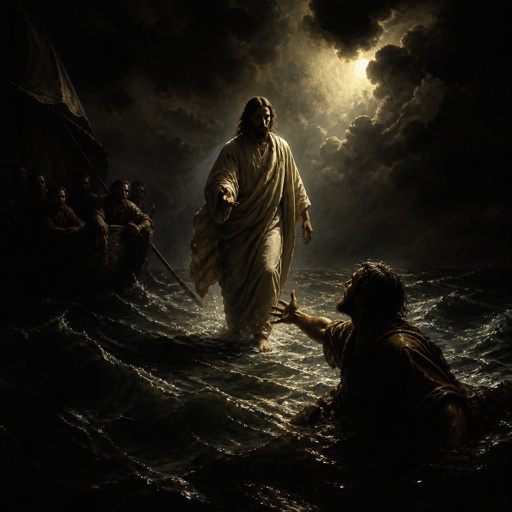
Matthew 14:27
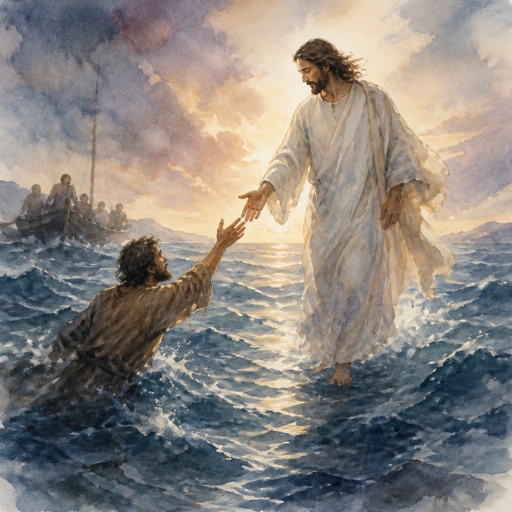
Matthew 14:27