What does Matthew 14:15 mean?
"And when it was evening, his disciples came to him, saying, This is a desert place, and the time is now past; send the multitude away, that they may go into the villages, and buy themselves victuals." - Matthew 14:15
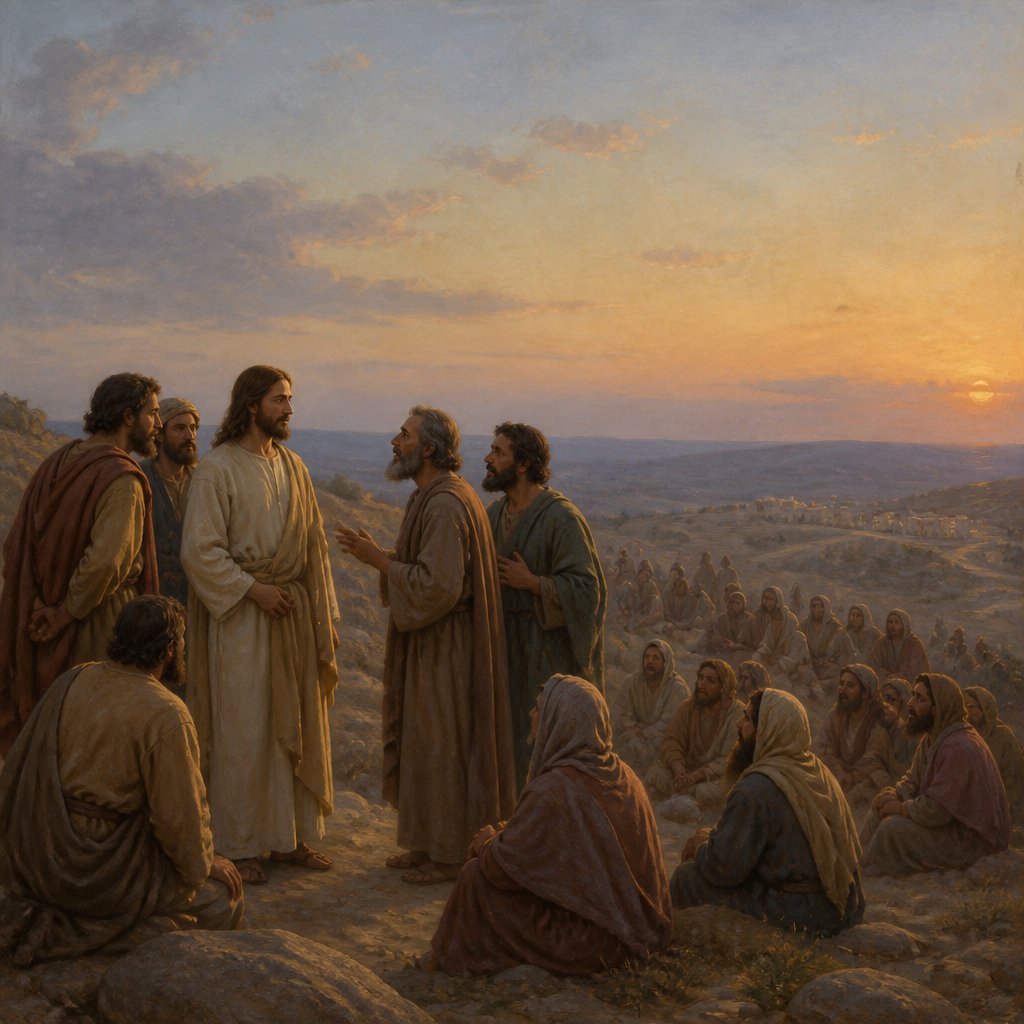
Matthew 14:15 (KJV) reads, "And when it was evening, his disciples came to him, saying, This is a desert place, and the time is now past; send the multitude away, that they may go into the villages, and buy themselves victuals."
This passage comes from the Gospel of Matthew, which is the first book in the New Testament of the Bible. The Gospel of Matthew is one of the four canonical gospels, which are the first four books of the New Testament and provide an account of the life, ministry, death, and resurrection of Jesus. The authorship of the Gospel of Matthew is traditionally ascribed to the apostle Matthew, also known as Levi, who was a tax collector before becoming one of Jesus' disciples.
In Matthew 14:15, we find Jesus and his disciples in a desert place. The disciples approach Jesus and express concern for the multitude of people who have gathered to hear him speak. They point out that it is now evening and the people need food. The disciples suggest that Jesus send the crowd away so they can go into the villages and buy food for themselves.
This passage speaks to several important themes, including compassion, provision, and faith. The response of Jesus to his disciples' concern for the people in need demonstrates his compassion for others. Jesus does not dismiss the needs of the multitude or send them away. Instead, he uses this opportunity to teach his disciples about faith and the power of God's provision.
The desert setting is significant in this passage. The desert is often associated with desolation, hardship, and barrenness. It represents a place of scarcity and lack. In this context, the desert place serves as a backdrop for the lesson that Jesus is about to teach his disciples. Despite the bleak circumstances, Jesus demonstrates that God's provision is more than sufficient to meet the needs of the multitude.
The disciples' response to the situation also reveals important aspects of their faith. They are concerned for the people and recognize the need for food, but they lack faith in God's ability to provide for the multitude in the midst of the desert. Their suggestion to send the people away reflects a limited perspective and a lack of trust in God's power.
Jesus' response to his disciples is a powerful demonstration of God's provision and abundance. He instructs the disciples to bring him whatever food they have, which turns out to be five loaves of bread and two fish. Jesus takes the meager offering, blesses it, and miraculously multiplies it to feed the entire crowd of thousands. This miracle of the multiplication of the loaves and fishes is a testament to the abundant provision of God and the power of faith.
The symbolism in this passage is rich and profound. The five loaves and two fish represent the idea of God's provision through humble and seemingly insufficient means. Just as the disciples offered what little they had, we are called to bring our meager resources and offerings to God, trusting in his ability to multiply and provide abundantly.
The desert place also symbolizes the desolate and barren areas of our lives where we feel lacking and in need. It serves as a reminder that God is present in our wilderness experiences and is able to provide for us even in the most challenging circumstances.
Overall, Matthew 14:15 is a powerful reminder of God's abundant provision, the importance of faith, and the call to trust in God's ability to provide for our needs. It challenges us to bring our meager offerings to God and trust in his miraculous ability to multiply and provide abundantly. This passage serves as a source of encouragement and hope, reminding us that God is always able to meet our needs, no matter how dire the circumstances may appear.
Have questions about Matthew 14:15?
Dive deeper into this scripture with Bible Chat — an AI-powered tool for exploring God's Word through conversation. Ask questions, get context, and grow in your understanding of the Bible.
Get Our Apps


Matthew 14:15 Artwork

Matthew 14:15 - "¶ And when it was evening, his disciples came to him, saying, This is a desert place, and the time is now past; send the multitude away, that they may go into the villages, and buy themselves victuals."
"¶ And when it was evening, his disciples came to him, saying, This is a desert place, and the time is now past; send the multitude away, that they may go into the villages, and buy themselves victuals." - Matthew 14:15

Matthew 17:14-15

Matthew 15:14 - "Let them alone: they be blind leaders of the blind. And if the blind lead the blind, both shall fall into the ditch."

matthew 15 matthew 15:10

Matthew 6:14-15 - "For if you forgive other people when they sin against you, your heavenly Father will also forgive you. But if you do not forgive others their sins, your Father will not forgive your sins."
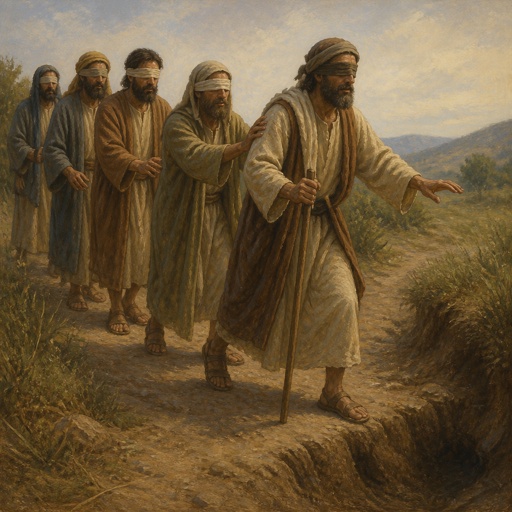
"Let them alone: they be blind leaders of the blind. And if the blind lead the blind, both shall fall into the ditch." - Matthew 15:14

Matthew 7:13-14

Matthew 7:13-14

Matthew 7:13-14

Matthew 7:13-14

Matthew 7:13-14

Matthew 7:13-14

Matthew 7:13-14

Matthew 7:13-14

Matthew 7:13-14

Matthew 7:13-14

Matthew 7:13-14

Matthew 26:15

Matthew 26:15

Matthew 15:23

Matthew 24:15

Matthew 15:15 - "Then answered Peter and said unto him, Declare unto us this parable."

Matthew 5:15

Matthew 15:23

Matthew 5:15

Matthew 5:14

Matthew 6:14

Matthew 5:14

matthew 2:14