What does Matthew 14:6 mean?
“But when Herod’s birthday was kept, the daughter of Herodias danced before them, and pleased Herod.” — Matthew 14:6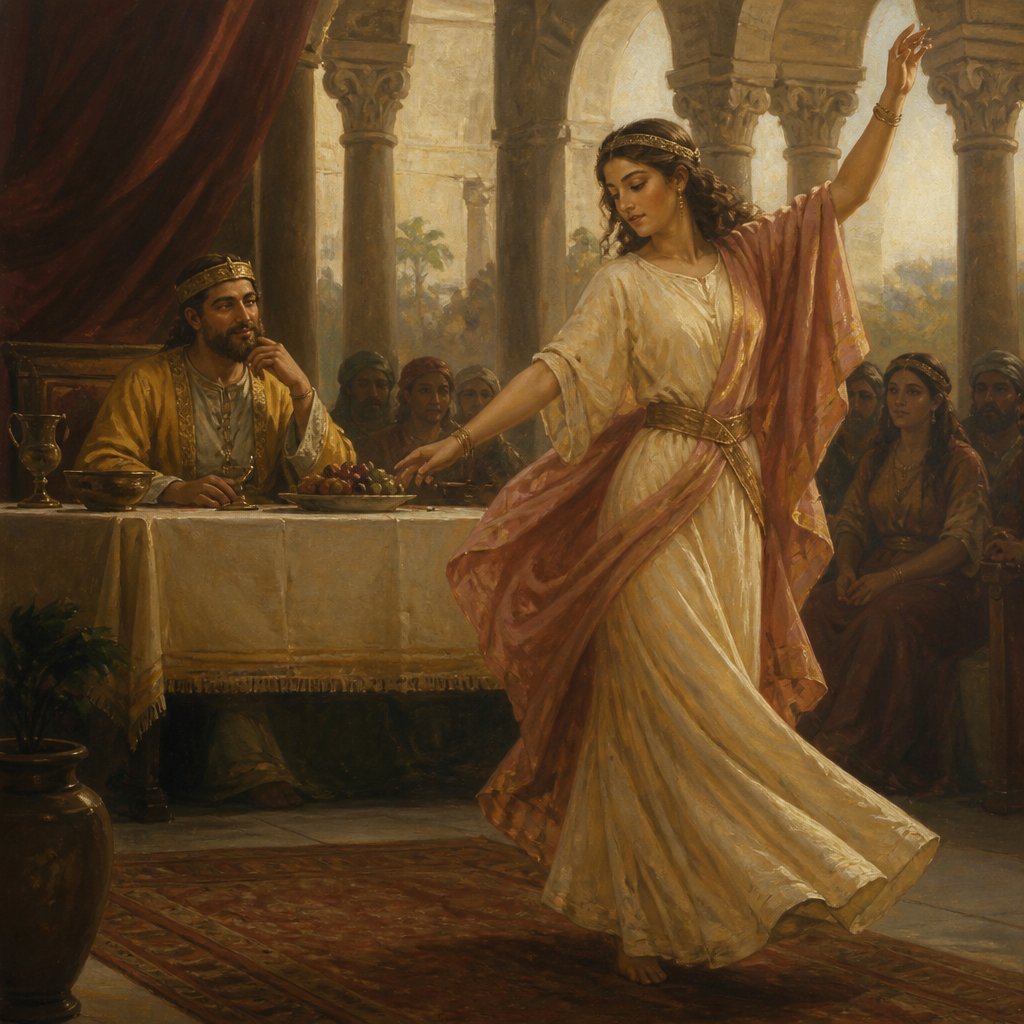
The Bible verse Matthew 14:6 from the King James Version (KJV) reads: "But when Herod's birthday was kept, the daughter of Herodias danced before them, and pleased Herod."
This verse is part of a larger passage that tells the story of the death of John the Baptist. In this chapter of Matthew, we see the events leading up to the execution of John the Baptist, as well as the growing conflict between King Herod and Jesus.
In this particular verse, we see how Herod's daughter, often identified as Salome, dances for the guests at Herod's birthday celebration. Her performance pleases Herod, who then makes a rash and sinful vow to offer her whatever she desires, up to half of his kingdom. This ultimately leads to the beheading of John the Baptist, as Herodias, her mother, manipulates the situation to have John killed at the request of her daughter.
The themes in this passage of Matthew 14 include the consequences of sin, the abuse of power, and the tension between worldly desires and God's will. It also highlights the role of women in biblical narratives and how they are often used as pawns for men's ambitions and desires.
The context of this verse is crucial to understanding its significance. King Herod was a ruler known for his cruelty and immorality. He married Herodias, who herself was the niece of Herod and had previously been married to his brother, Philip. John the Baptist had publicly condemned this union, stating that it was unlawful according to Jewish law. Herodias held a grudge against John and sought to have him killed, using her daughter's dance as a means to manipulate Herod into making a deadly vow.
The symbolism in this verse is multifaceted. On one level, the dance of Herodias's daughter represents the allure of worldly pleasures and the temptation to indulge in sin. Herod's reaction to the dance and his willingness to offer whatever the girl desires symbolizes the corruption of power and the moral degradation that comes with it. This ultimately leads to the martyrdom of John the Baptist, symbolizing the cost of standing up for righteousness in the face of immorality and corruption.
Furthermore, the role of women in this passage is significant. Herodias and her daughter are portrayed as cunning and manipulative, using their influence to achieve their own selfish desires. This serves as a cautionary tale about the dangers of allowing worldly ambition and sin to dictate our actions.
In the broader context of the book of Matthew, this passage serves as a foreshadowing of the conflict between Jesus and the religious and political authorities of the time. It also underscores the themes of persecution, martyrdom, and the cost of discipleship.
In conclusion, Matthew 14:6 is a powerful and complex verse that sheds light on the moral and political dynamics of the time, as well as the timeless themes of sin, power, and the human propensity for corruption. It serves as a cautionary tale and a call to righteousness in the face of temptation and moral compromise.
Get our apps


Artwork for Matthew 14:6

Matthew 14:6 - "But when Herod's birthday was kept, the daughter of Herodias danced before them, and pleased Herod."
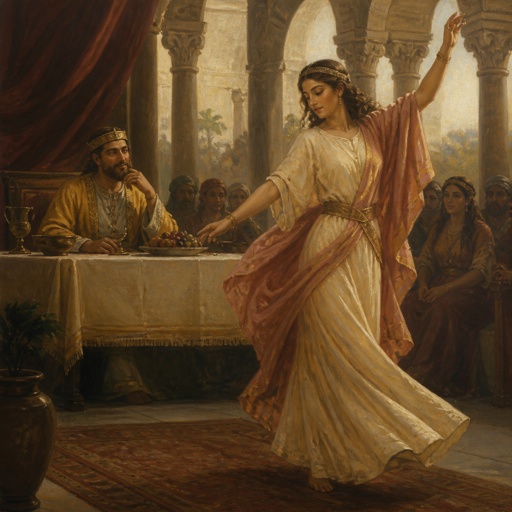
"But when Herod's birthday was kept, the daughter of Herodias danced before them, and pleased Herod." - Matthew 14:6

Matthew 6:14

Matthew 6:14 - "For if ye forgive men their trespasses, your heavenly Father will also forgive you:"

"For if ye forgive men their trespasses, your heavenly Father will also forgive you:" - Matthew 6:14

Matthew 6:6

Matthew 6:14-15 - "For if you forgive other people when they sin against you, your heavenly Father will also forgive you. But if you do not forgive others their sins, your Father will not forgive your sins."

Matthew 7:13-14

Matthew 7:13-14

Matthew 7:13-14

Matthew 7:13-14

Matthew 7:13-14

Matthew 7:13-14

Matthew 7:13-14

Matthew 7:13-14

Matthew 7:13-14

Matthew 7:13-14

Matthew 7:13-14

Matthew 5:14

Matthew 5:14

Matthew 6:23
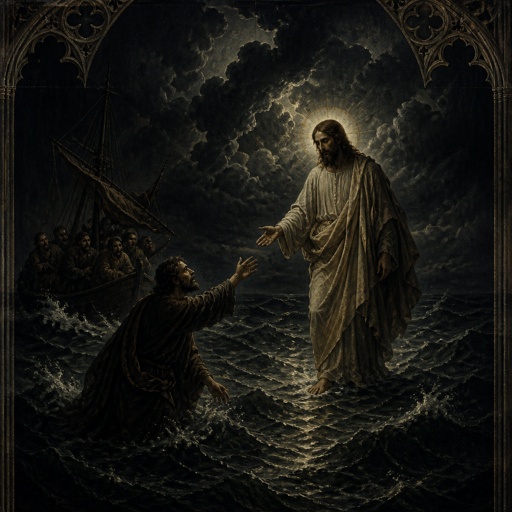
Matthew 14:27
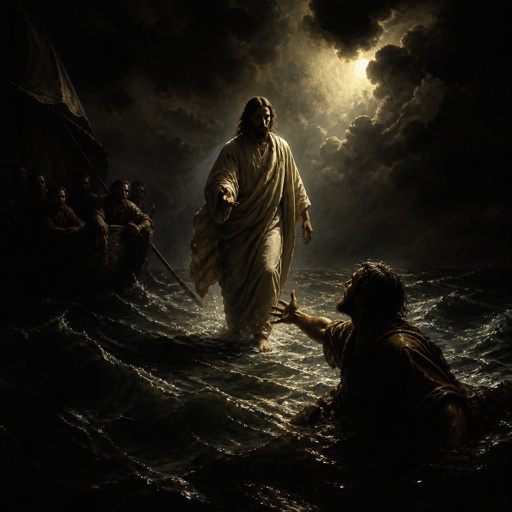
Matthew 14:27
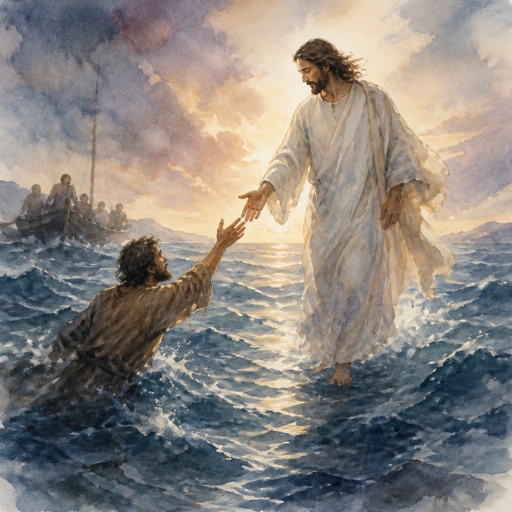
Matthew 14:27

matthew 2:14

Matthew 18:6

Matthew 7:13-14

Matthew 7:13-14

Matthew 7:13-14

Matthew 7:13-14