What does Matthew 15:6 mean?
"And honour not his father or his mother, he shall be free. Thus have ye made the commandment of God of none effect by your tradition." - Matthew 15:6
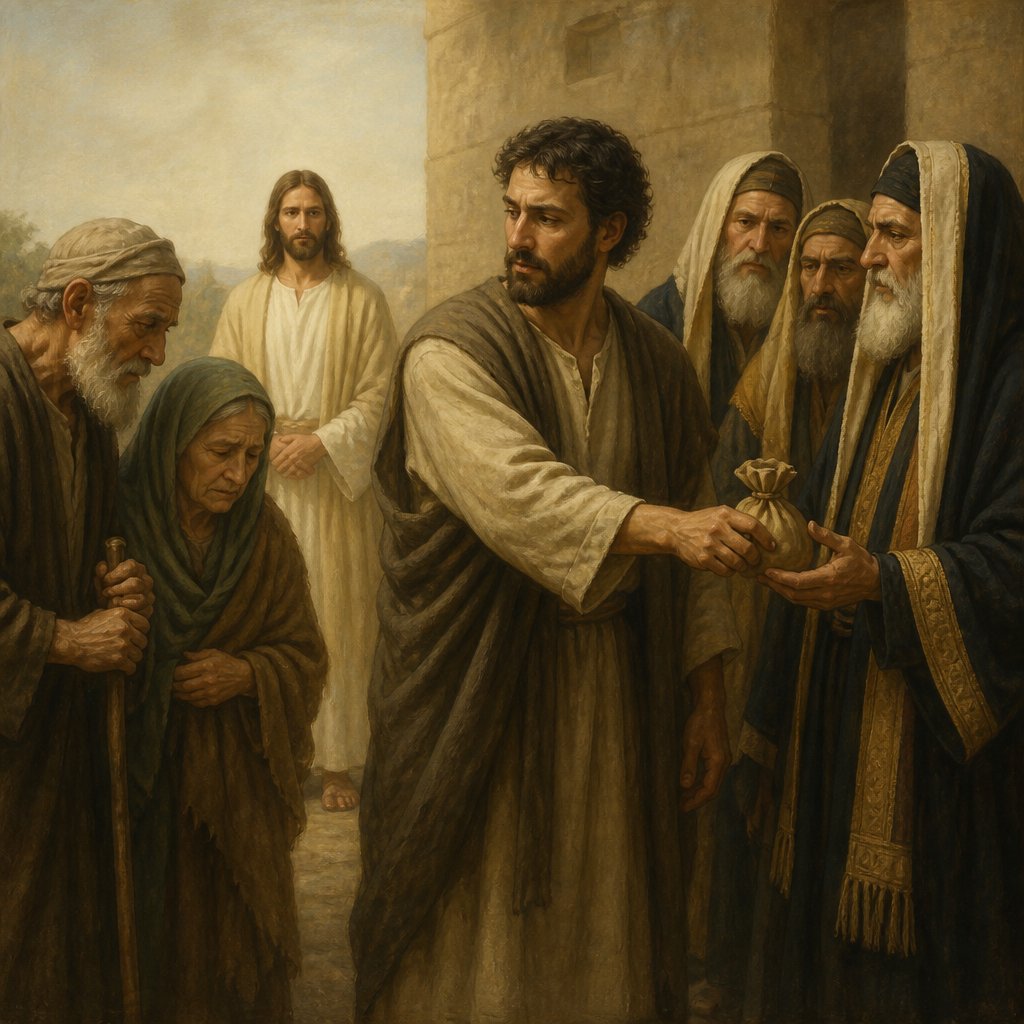
The verse Matthew 15:6 in the King James Version of the Bible reads, "And honour not his father or his mother, he shall be free. Thus have ye made the commandment of God of none effect by your tradition." This verse is a part of a larger discourse between Jesus and the Pharisees, in which Jesus criticizes the Pharisees for placing their traditions above the commandments of God.
The context of this verse is important in understanding its meaning. In the preceding verses, the Pharisees accuse Jesus and his disciples of transgressing the tradition of the elders by not washing their hands before eating. Jesus responds by rebuking the Pharisees, claiming that they have made the commandment of God of no effect by their tradition. He then goes on to quote the prophet Isaiah, saying, "This people draweth nigh unto me with their mouth, and honoureth me with their lips; but their heart is far from me. But in vain they do worship me, teaching for doctrines the commandments of men."
In this passage, Jesus is emphasizing the importance of true devotion and obedience to God's commandments over mere external actions or traditions. The Pharisees are being condemned for elevating their traditions and rituals above the true intentions and heart of the commandments of God. This verse serves as a reminder that true worship and obedience to God is not found in outward rituals or traditions, but in the sincere love and honor of God's commandments.
One of the main themes in this verse is the contrast between true worship and the superficial observance of traditions. Jesus is pointing out that the Pharisees' adherence to their traditions has led them to neglect the more important matters of God's commandments. This serves as a cautionary tale for all believers, warning them against prioritizing external rituals over genuine devotion to God and his word.
Furthermore, this verse also speaks to the issue of the human heart and its relationship to God. Jesus criticizes the Pharisees for drawing near to God with their lips, but their hearts are far from Him. This underscores the importance of inner sincerity and genuine faith in the Christian life. It is not enough to go through the motions of worship or to adhere to traditions; true devotion to God comes from a sincere and pure heart.
Symbolically, this verse can be seen as a representation of the conflict between legalism and true faith. The Pharisees represent a legalistic approach to religion, where adherence to external laws and traditions takes precedence over the heart and spirit of the law. Jesus, on the other hand, embodies a message of grace and the importance of inner transformation. This conflict between legalism and grace is a recurring theme throughout the New Testament and serves as a foundational aspect of Christian theology.
In conclusion, Matthew 15:6 is a powerful reminder of the true essence of worship and obedience to God. It challenges believers to examine their hearts and motives, emphasizing the importance of sincere devotion and obedience to God's commandments over mere external rituals and traditions. This verse serves as a warning against legalism and a call to authentic faith and worship.
Have questions about Matthew 15:6?
Dive deeper into this scripture with Bible Chat — an AI-powered tool for exploring God's Word through conversation. Ask questions, get context, and grow in your understanding of the Bible.
Get Our Apps


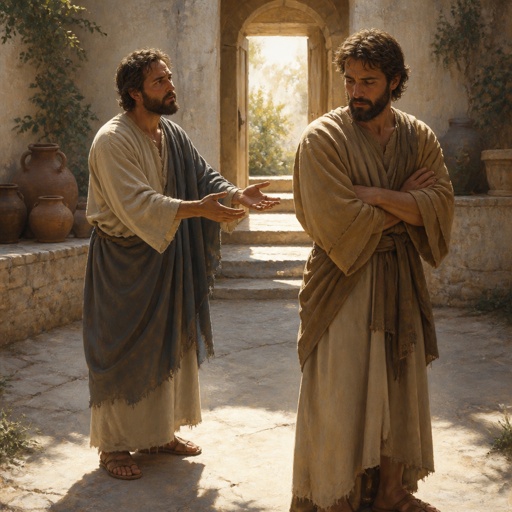
Matthew 15:6 Artwork
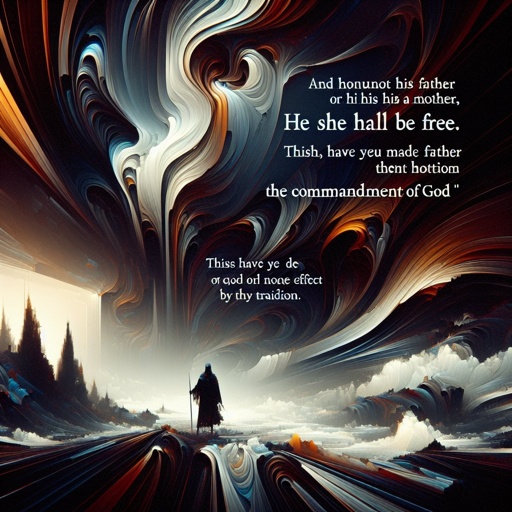
Matthew 15:6 - "And honour not his father or his mother, he shall be free. Thus have ye made the commandment of God of none effect by your tradition."
"And honour not his father or his mother, he shall be free. Thus have ye made the commandment of God of none effect by your tradition." - Matthew 15:6

Luke 6:15 - "Matthew and Thomas, James the son of Alphaeus, and Simon called Zelotes,"

Matthew 6:15 - "But if ye forgive not men their trespasses, neither will your Father forgive your trespasses."

matthew 15 matthew 15:10
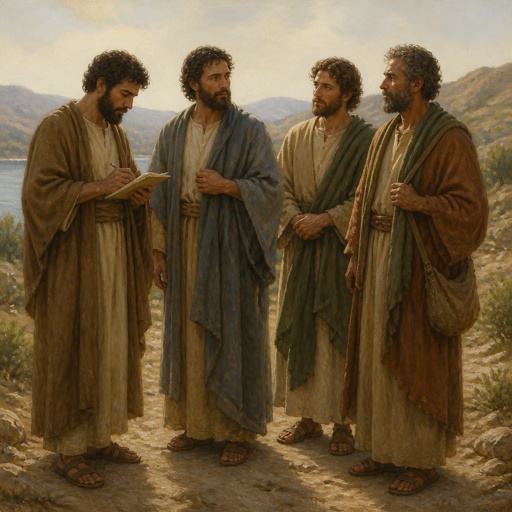
"Matthew and Thomas, James the son of Alphaeus, and Simon called Zelotes," - Luke 6:15
"But if ye forgive not men their trespasses, neither will your Father forgive your trespasses." - Matthew 6:15

Matthew 6:6

Matthew 6:14-15 - "For if you forgive other people when they sin against you, your heavenly Father will also forgive you. But if you do not forgive others their sins, your Father will not forgive your sins."

Matthew 26:15

Matthew 26:15

Matthew 15:23

Matthew 24:15

Matthew 15:15 - "Then answered Peter and said unto him, Declare unto us this parable."

Matthew 5:15

Matthew 15:23

Matthew 5:15

Matthew 6:23

Matthew 17:14-15

Matthew 15 : 1-20

Matthew 18:6

Matthew 6:34

Matthew 18:6

Matthew 6:18

Matthew 6:14

Matthew 6:22

Matthew 6:24

Matthew 6:30

Matthew 6:22

Matthew 6:5