What does Matthew 15:9 mean?
“But in vain they do worship me, teaching for doctrines the commandments of men.” — Matthew 15:9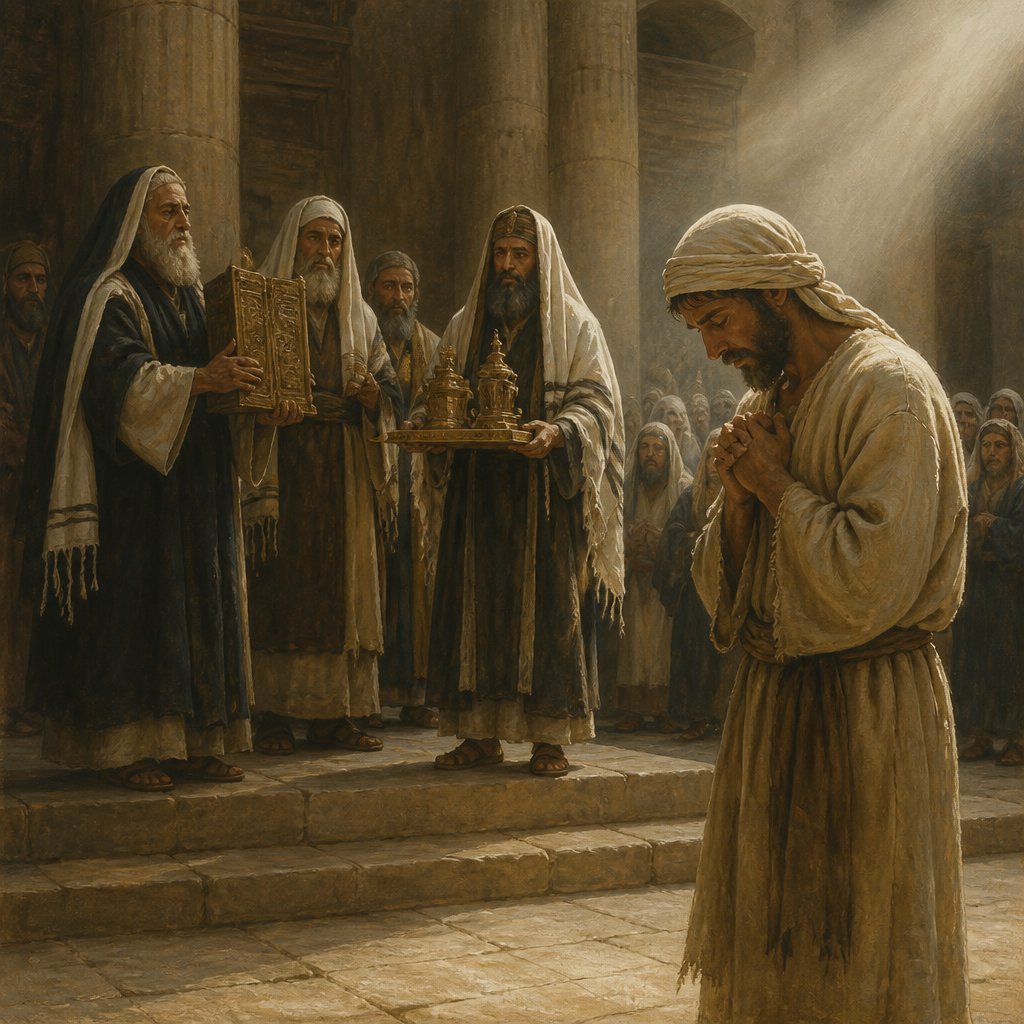
Matthew 15:9 King James Version (KJV) states: "But in vain they do worship me, teaching for doctrines the commandments of men."
This verse is part of a larger passage where Jesus is rebuking the Pharisees and scribes for their hypocritical behavior and lack of true faith. In this verse, Jesus is addressing the issue of religious leaders who stray from teaching the true commandments of God and instead teach their own traditions and doctrines. This verse serves as a warning against empty worship and the dangers of prioritizing human traditions over the word of God.
The context of this verse is crucial to understanding its full meaning. In the preceding verses, Jesus confronts the religious leaders for their hypocrisy, as they embrace human traditions that contradict the commandments of God. He illustrates this by referencing the practice of Corban, where people would dedicate their resources to God as a way to escape responsibility for caring for their parents. Jesus exposes the hypocrisy of such practices and emphasizes the importance of honoring God through genuine obedience rather than empty rituals.
The overarching theme of this verse is the primacy of God's commandments over human traditions and the importance of authentic worship. Jesus denounces the Pharisees and scribes for substituting man-made traditions for the divine commandments, thus missing the mark in their worship. This verse underscores the idea that true worship is rooted in obedience to God's word and genuine reverence for Him, rather than in outward rituals or human traditions.
The symbolism in this verse lies in the contrast between God's commandments and the commandments of men. It serves as a reminder that true worship and faithfulness to God are not found in following human traditions, but in obeying and honoring God's word. The emphasis on vain worship highlights the emptiness and futility of religious practices that do not stem from a genuine heart for God. The verse also symbolizes the timeless struggle of religious institutions and leaders prioritizing their own authority and traditions over the true teachings of God.
Furthermore, this verse has a broader application to all believers, as it challenges us to examine our own hearts and practices to ensure that they align with God's commandments. It calls believers to discern whether their worship and obedience are rooted in God's word or if they have been influenced by human traditions that contradict it.
Overall, Matthew 15:9 is a powerful reminder of the importance of sincere and obedient worship, free from the influence of human traditions that detract from God's commandments. It serves as a warning against empty rituals and the substitution of man-made doctrines for the truth of God's word. This verse calls believers to prioritize the true commandments of God in their worship and obedience, emphasizing the need for authentic faith and genuine reverence for God.
Get our apps


Artwork for Matthew 15:9

Matthew 15:9 - "But in vain they do worship me, teaching for doctrines the commandments of men."
"But in vain they do worship me, teaching for doctrines the commandments of men." - Matthew 15:9

matthew 15 matthew 15:10

Matthew 9:15 - "And Jesus said unto them, Can the children of the bridechamber mourn, as long as the bridegroom is with them? but the days will come, when the bridegroom shall be taken from them, and then shall they fast."

Matthew 9:21

Matthew 26:15

Matthew 26:15

Matthew 15:23

Matthew 24:15

Matthew 15:15 - "Then answered Peter and said unto him, Declare unto us this parable."

Matthew 5:15

Matthew 15:23

Matthew 5:15

Matthew 9:21-22

Matthew 9:21-22

Matthew 9:21-22

Matthew 9:21-22

Matthew 9:21-22

Matthew 2:9

Matthew 17:14-15

Matthew 9:9 - "¶ And as Jesus passed forth from thence, he saw a man, named Matthew, sitting at the receipt of custom: and he saith unto him, Follow me. And he arose, and followed him."

Matthew 2:9

Matthew 15 : 1-20

Matthew 6:9-13

Matthew 9:37-38

Matthew 1:15 - "And Eliud begat Eleazar; and Eleazar begat Matthan; and Matthan begat Jacob;"

Matthew 15:35 - "And he commanded the multitude to sit down on the ground."
Rev 9:15

Genesis 15:9

Matthew 9:7 - "And he arose, and departed to his house."