What does Matthew 16:26 mean?
“For what is a man profited, if he shall gain the whole world, and lose his own soul? or what shall a man give in exchange for his soul?” — Matthew 16:26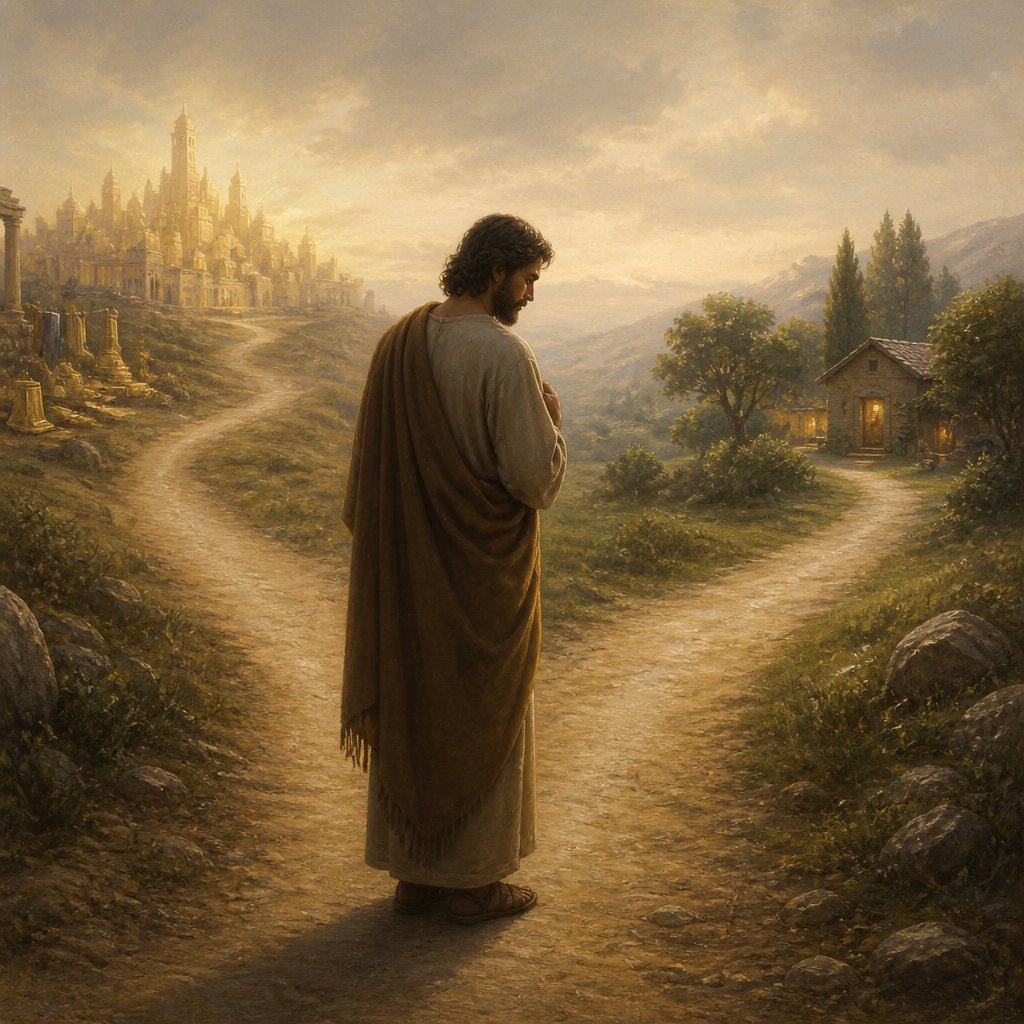
Matthew 16:26 (KJV) states, "For what is a man profited, if he shall gain the whole world, and lose his own soul? Or what shall a man give in exchange for his soul?"
This verse, spoken by Jesus, addresses the ultimate value of the soul and the emptiness of worldly gain in comparison. It is a powerful reminder of the eternal significance of our choices and the consequences of prioritizing material wealth over spiritual well-being.
One of the key themes of this verse is the dichotomy between worldly gain and spiritual fulfillment. Jesus presents a hypothetical scenario in which a man achieves great success and accumulates vast wealth but loses his soul in the process. The language used here emphasizes the ultimate futility of such endeavors. No matter how much success or material possessions one might amass, it is ultimately meaningless if it comes at the cost of one's soul.
This passage also touches on the concept of the soul and its value. The soul is often considered the essence of a person, the seat of their emotions, thoughts, and beliefs. According to this verse, the soul holds a value beyond measure, outweighing any material possessions or worldly achievements. It underscores the idea that true fulfillment comes from within, from nurturing and tending to one's own soul rather than seeking external validation or wealth.
Furthermore, the verse raises the question of the exchange rate for a soul. It proposes that nothing in this world, no amount of material wealth or power, is of equivalent value to one's soul. This serves as a powerful statement about the unmatched significance of spiritual well-being and the inadequacy of anything the world has to offer in comparison.
In the context of the larger passage, this verse is part of a conversation between Jesus and his disciples about the cost of discipleship. Jesus had just predicted his own death and resurrection, and he was warning his disciples about the opposition and obstacles they would face as his followers. He emphasized the necessity of denying oneself, taking up one's cross, and following him wholeheartedly. This verse, then, serves as a poignant reminder of the ultimate stakes of this commitment.
Symbolically, the verse represents the eternal struggle between the material and the spiritual, between the temporal and the eternal. It encapsulates the tension between the values of this world and the values of the kingdom of God. The idea of gaining the whole world but losing one's soul evokes a sense of tragic irony, highlighting the shortsightedness of pursuing worldly success without considering the state of one's soul.
Overall, Matthew 16:26 (KJV) offers a profound meditation on the value of the soul and the emptiness of worldly pursuits in comparison. It is a reminder to prioritize spiritual well-being over material gain and to recognize the ultimate significance of our choices in light of eternity. It challenges us to consider the worth of our souls and the consequences of our pursuits, urging us to seek fulfillment that transcends the temporary treasures of this world.
Get our apps


Artwork for Matthew 16:26

Matthew 16:26 - "For what is a man profited, if he shall gain the whole world, and lose his own soul? or what shall a man give in exchange for his soul?"
"For what is a man profited, if he shall gain the whole world, and lose his own soul? or what shall a man give in exchange for his soul?" - Matthew 16:26

Matthew 26:16 - "And from that time he sought opportunity to betray him."

"And from that time he sought opportunity to betray him." - Matthew 26:16

Matthew 26:25

Matthew 26:15

Matthew 19:26

Matthew 26:15

Matthew 27:26

Matthew 27:26

Matthew 26:53

Matthew 26:41

Matthew 26:65

Matthew 26:53
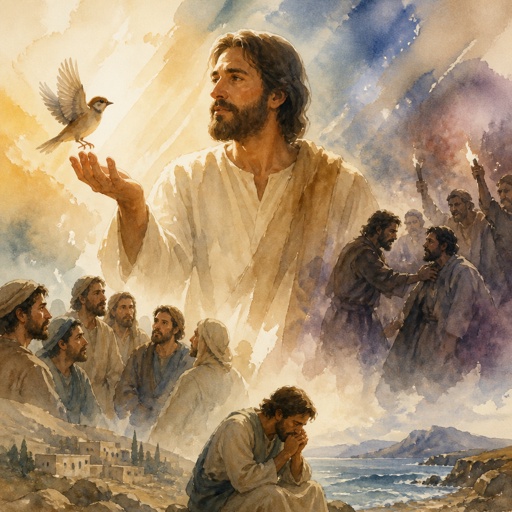
Matthew 10:26-33
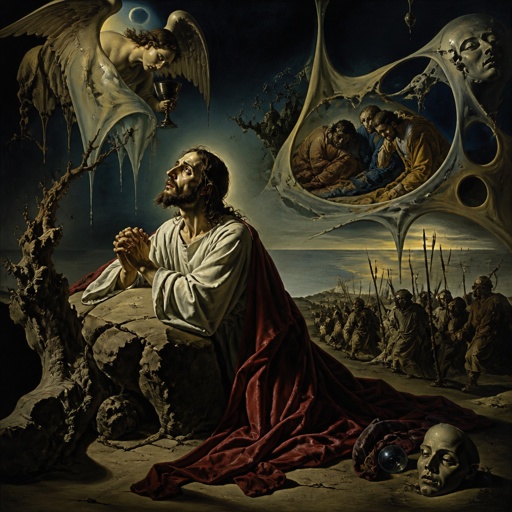
Matthew 26:36-46

Matthew 3:16

Matthew 26:26 - "¶ And as they were eating, Jesus took bread, and blessed it, and brake it, and gave it to the disciples, and said, Take, eat; this is my body."

Matthew 3:16

Matthew 3:16

Matthew 22:26 - "Likewise the second also, and the third, unto the seventh."

Matthew 9:26 - "And the fame hereof went abroad into all that land."

Matthew 26:54 - "But how then shall the scriptures be fulfilled, that thus it must be?"

Galatians 5:16-26

Numbers 11:16-26

Matthew 16:25

Luke 16:22-26

Matthew 26:6 - "¶ Now when Jesus was in Bethany, in the house of Simon the leper,"

Matthew 26:4 - "And consulted that they might take Jesus by subtilty, and kill him."

Matthew 26:5 - "But they said, Not on the feast day, lest there be an uproar among the people."