What does Matthew 17:15 mean?
"Lord, have mercy on my son: for he is lunatick, and sore vexed: for ofttimes he falleth into the fire, and oft into the water." - Matthew 17:15
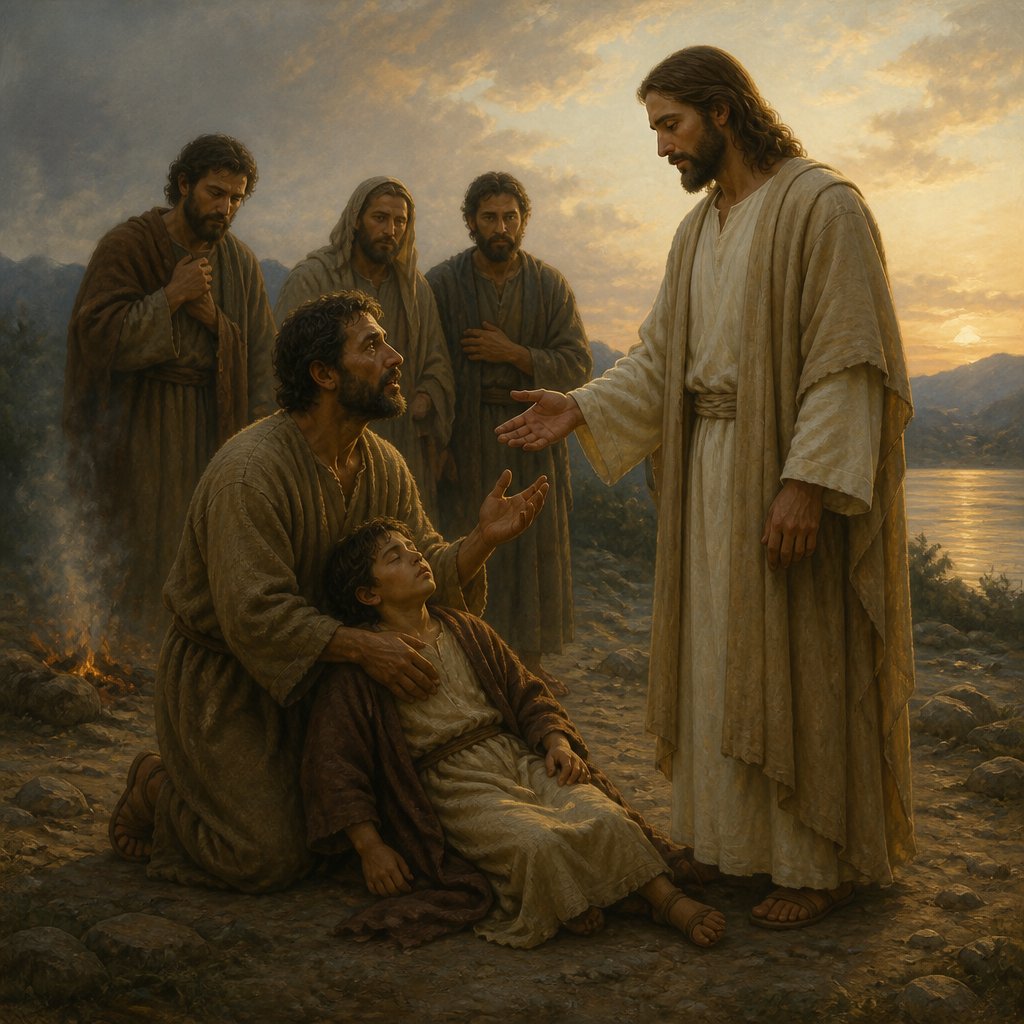
The verse Matthew 17:15 in the King James Version of the Bible reads, "Lord, have mercy on my son: for he is lunatick, and sore vexed: for ofttimes he falleth into the fire, and oft into the water." This passage is part of a larger narrative in which Jesus heals a boy possessed by a demon. This event takes place after the Transfiguration, where Jesus is revealed in his glory to three of his disciples. As they come down from the mountain, they are met by a crowd, and a man approaches Jesus, asking for help for his son.
The verse presents a desperate plea from a father for Jesus to have mercy on his son, who is suffering from severe afflictions. The King James Version uses the term "lunatick" to describe the boy's condition, which in modern terms might be understood as epilepsy or some form of mental illness. The father explains that the boy is often in danger, as he falls into fire or water when the demon seizes him.
The themes and context of this verse are rich and significant. It demonstrates the suffering caused by the presence of evil in the world and the power of faith and divine intervention to overcome it. The father's plea for mercy reflects a deep sense of helplessness and desperation, which resonates with many who have experienced the pain of watching a loved one endure physical or emotional torment. It also highlights the universal human experience of seeking solace and healing in times of crisis.
The passage also underscores the central message of Jesus' ministry, which is to bring healing and deliverance to the afflicted. Throughout the Gospels, Jesus is depicted as having compassion for those who are suffering and reaching out to them with acts of kindness and miraculous intervention. In this instance, Jesus responds to the father's plea and heals the boy, demonstrating his authority over the forces of darkness and his ability to bring about transformation and restoration.
The symbolism in this verse is profound and multi-layered. The father's plea for mercy can be seen as a metaphor for the human condition, beset by sin and spiritual oppression. The boy's affliction represents the destructive power of evil and the need for deliverance. In the larger context of the biblical narrative, this event foreshadows Jesus' ultimate triumph over sin and death through his crucifixion and resurrection.
The element of fire and water in the verse also carries symbolic significance. These are potent symbols in various religious traditions, representing purification, transformation, and the dual nature of existence. The fact that the boy falls into these elements when seized by the demon underscores the destructive force at work and the need for divine intervention to bring about healing and wholeness.
In conclusion, Matthew 17:15 from the King James Version of the Bible conveys a poignant and powerful message about the human experience of suffering, the redemptive power of faith, and the compassion of Jesus in the face of adversity. It invites reflection on the universal need for healing and deliverance and points to the hope and restoration that are found in the person and work of Christ.
Have questions about Matthew 17:15?
Dive deeper into this scripture with Bible Chat — an AI-powered tool for exploring God's Word through conversation. Ask questions, get context, and grow in your understanding of the Bible.
Get Our Apps


Matthew 17:15 Artwork

Matthew 17:15 - "Lord, have mercy on my son: for he is lunatick, and sore vexed: for ofttimes he falleth into the fire, and oft into the water."
"Lord, have mercy on my son: for he is lunatick, and sore vexed: for ofttimes he falleth into the fire, and oft into the water." - Matthew 17:15

Matthew 17:14-15

matthew 15 matthew 15:10

Matthew 17:17-18

Matthew 17:17-18
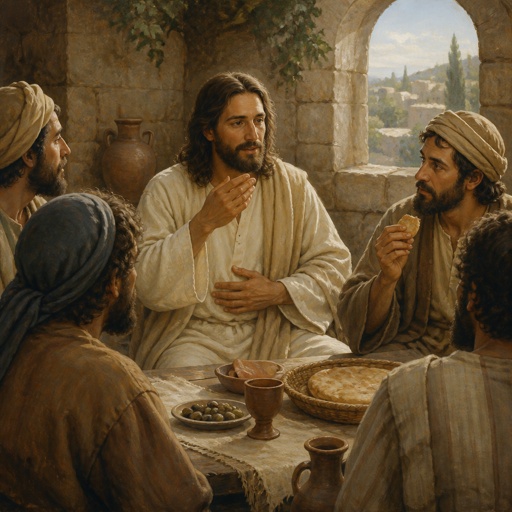
"Do not ye yet understand, that whatsoever entereth in at the mouth goeth into the belly, and is cast out into the draught?" - Matthew 15:17

Matthew 6:17

Matthew 17:20

Matthew 17:20

Matthew 26:15

Matthew 26:15

Matthew 15:23

Matthew 24:15

Matthew 15:15 - "Then answered Peter and said unto him, Declare unto us this parable."

Matthew 5:15

Matthew 15:23

Matthew 5:15

Matthew 19:16-17

Matthew 6:17-18

Matthew 17:14-21

Matthew 3:13-17

Genesis 17-15

Provers 15:17

Acts 17:15

Matthew 15 : 1-20

Genesis 15:17

Matthew 2:17 - "Then was fulfilled that which was spoken by Jeremy the prophet, saying,"

Matthew 17:21 - "Howbeit this kind goeth not out but by prayer and fasting."

Matthew 12:17 - "That it might be fulfilled which was spoken by Esaias the prophet, saying,"