What does Matthew 17:25 mean?
“He saith, Yes. And when he was come into the house, Jesus prevented him, saying, What thinkest thou, Simon? of whom do the kings of the earth take custom or tribute? of their own children, or of strangers?” — Matthew 17:25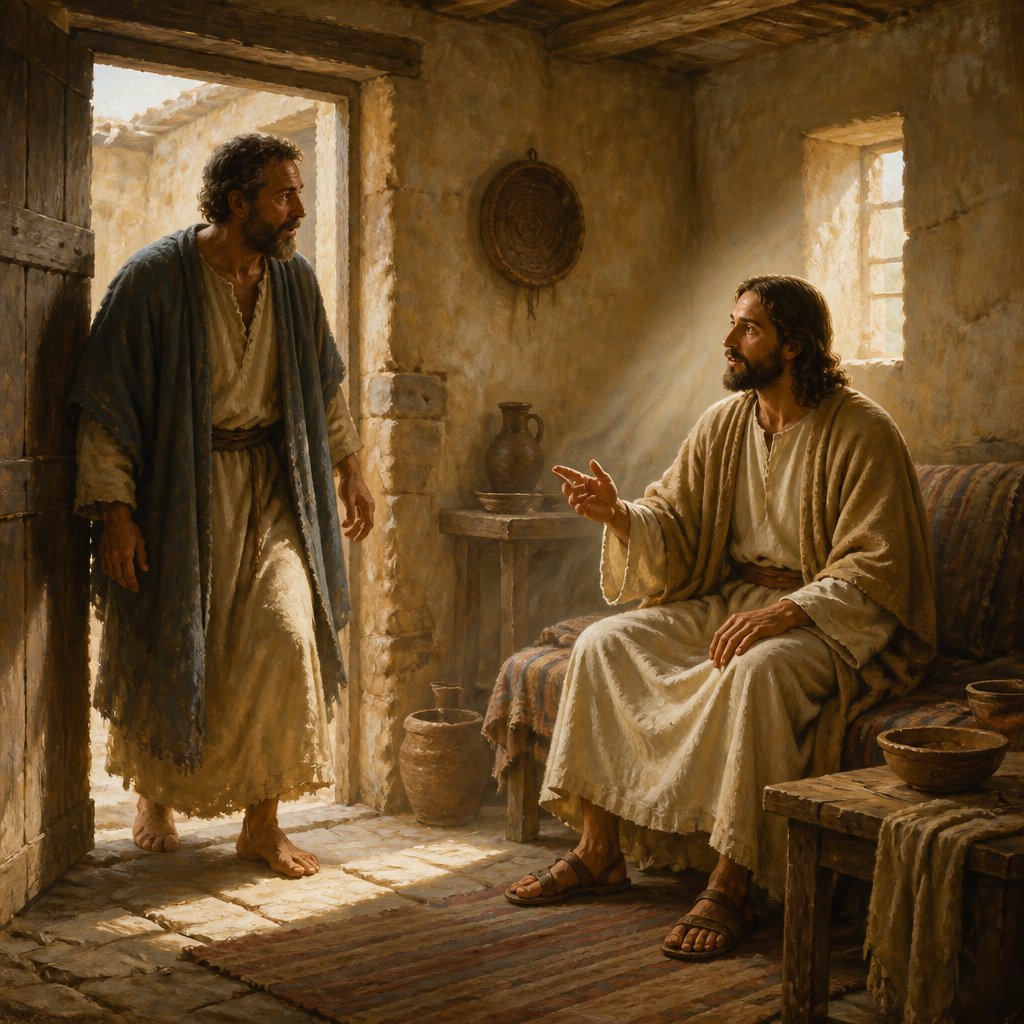
Matthew 17:25 in the King James Version (KJV) reads, "He saith, Yes. And when he was come into the house, Jesus prevented him, saying, What thinkest thou, Simon? of whom do the kings of the earth take custom or tribute? of their own children, or of strangers?"
In this verse, we witness a moment when Jesus demonstrates his wisdom and insight to his disciples. The disciples have come to Peter and asked him if Jesus pays tribute, and Peter, in his eagerness to prove his loyalty and devotion to Jesus, responds in the affirmative. However, when Peter enters the house where Jesus is, Jesus takes the opportunity to teach him a valuable lesson on the nature of earthly kingdoms and their rulers.
The context of this verse is important for understanding its significance. During this time, the Jews were under Roman occupation, and the Roman government required them to pay tribute as a sign of their subjugation and obedience to Rome. The disciples were likely questioning whether Jesus, as a Jewish leader, was adhering to this requirement and showing respect to the ruling authorities.
Jesus' response challenges the disciples' understanding of earthly power and authority. He asks Peter to consider whether kings collect taxes from their own sons or from strangers. This query is meant to provoke deeper reflection on the nature of royalty and power. The kings of the earth, Jesus suggests, do not tax their own children because they are of the same lineage and hold a special position of privilege and honor. Instead, they tax the strangers, those who are outside of their kinship, and thus considered subject to their rule and authority.
This interaction between Jesus and Peter serves as a reminder of the kingdom of God and its stark contrast to the kingdoms of the world. In the kingdom of God, there is no distinction between the children of the king and strangers. All are equal in the eyes of God, and all are called to participate in the kingdom. This challenges the traditional understanding of power and authority, which often creates divisions and inequalities among people.
Furthermore, this verse also serves as a reflection on Jesus' own identity as the Son of God. By asking Peter to consider whether kings tax their own children, Jesus is subtly drawing attention to his own divine nature. As the Son of God, Jesus holds a unique and privileged position within the kingdom of God, standing in contrast to earthly kings who must tax the strangers.
The symbolism in this verse is rich and thought-provoking. The act of paying tribute becomes a metaphor for the earthly systems of power and authority. Through the question posed to Peter, Jesus brings attention to the arbitrary nature of worldly kingdoms and the divisions they create. This moment reinforces the theme of the upside-down kingdom that Jesus consistently teaches throughout his ministry: the last will be first, the meek will inherit the earth, and the kingdom of God belongs to the poor in spirit.
In conclusion, Matthew 17:25 offers a powerful commentary on the nature of power, authority, and the kingdom of God. By challenging the disciples' understanding of earthly kingdoms, Jesus invites them to contemplate the radical and transformative nature of God's kingdom. This verse serves as a reminder for us to reevaluate our own understanding of power and privilege, and to seek a kingdom where all are equal in the eyes of God.
Get our apps


Artwork for Matthew 17:25

Matthew 17:25 - "He saith, Yes. And when he was come into the house, Jesus prevented him, saying, What thinkest thou, Simon? of whom do the kings of the earth take custom or tribute? of their own children, or of strangers?"
"He saith, Yes. And when he was come into the house, Jesus prevented him, saying, What thinkest thou, Simon? of whom do the kings of the earth take custom or tribute? of their own children, or of strangers?" - Matthew 17:25

Matthew 25:17 - "And likewise he that had received two, he also gained other two."
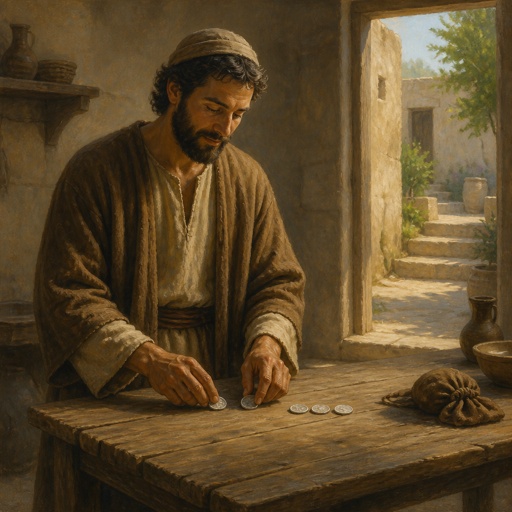
"And likewise he that had received two, he also gained other two." - Matthew 25:17

Matthew 25:25

Matthew 25: 14-25

Matthew 26:25

Matthew 16:25

Matthew 25:21

Matthew 25:23

matthew 25:31

Matthew 25:21

Matthew 17:17-18

Matthew 17:17-18

Matthew 25:23

Matthew 21:25

Matthew 25:25 - "And I was afraid, and went and hid thy talent in the earth: lo, there thou hast that is thine."

Genesis 25-17

Genesis 17-25

Matthew 25:11-13

Matthew 6:25 – 34

Matthew 25:4 - "But the wise took oil in their vessels with their lamps."

Matthew 6:17

Matthew 17:20

Matthew 17:20

Joshua 6:17-25

Numbers 25:17 - "Vex the Midianites, and smite them:"

Matthew 25:5 - "While the bridegroom tarried, they all slumbered and slept."

Matthew 24:25 - "Behold, I have told you before."

Matthew 25:7 - "Then all those virgins arose, and trimmed their lamps."