What does Matthew 17:26 mean?
“Peter saith unto him, Of strangers. Jesus saith unto him, Then are the children free.” — Matthew 17:26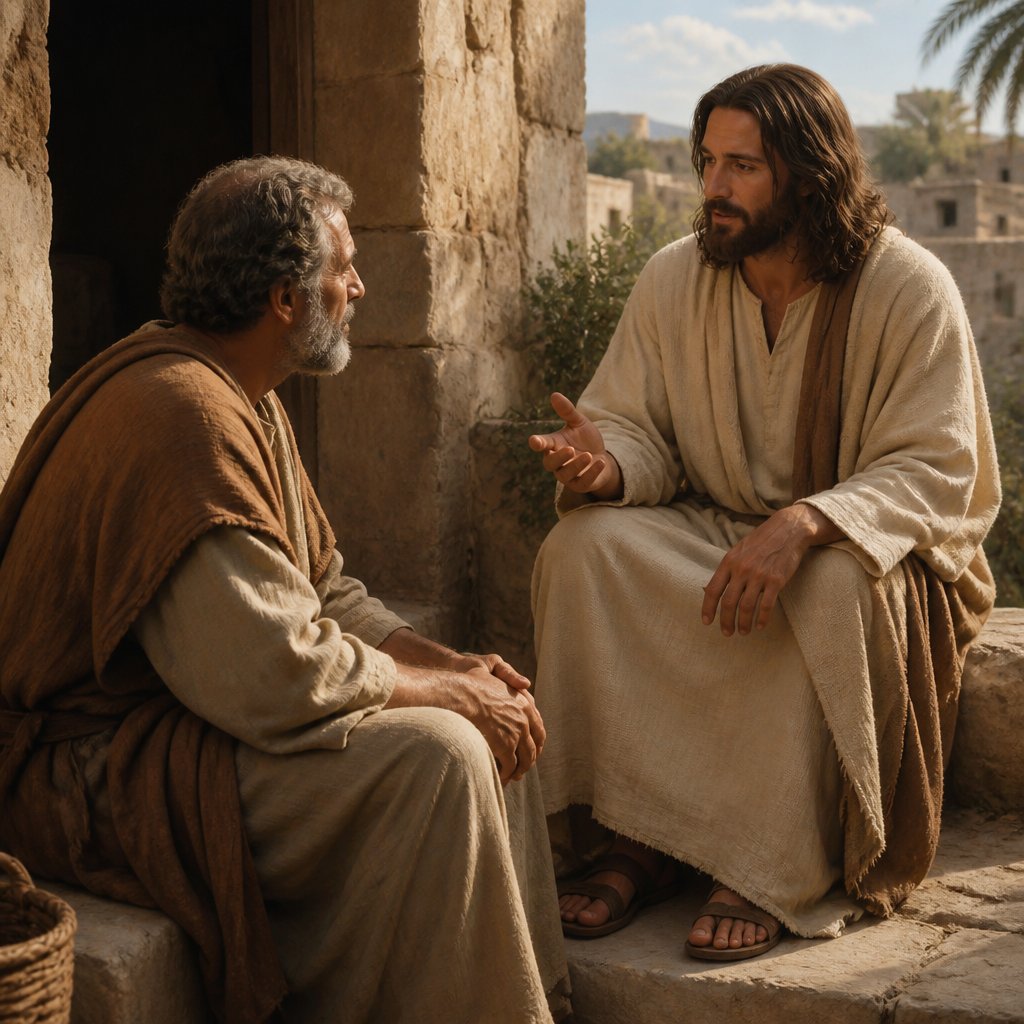
Matthew 17:26 (KJV) reads: "Peter saith unto him, Of strangers. Jesus saith unto him, Then are the children free."
This verse is part of a larger story in the Gospel of Matthew, where Jesus and his disciples are confronted by tax collectors in Capernaum. In this passage, the collectors ask Peter whether or not Jesus pays the temple tax. Peter responds with a simple affirmative, but when he enters the house where Jesus is, Jesus brings up the subject before Peter has a chance to do so. Jesus questions Peter about who is exempt from the tax: whether it is the sons or strangers of the king. Peter responds “of strangers” and Jesus affirms that the sons are free.
This passage has multiple layers of meaning and significance. Firstly, it serves as a demonstration of Jesus' divine knowledge, as he knew what was being discussed even before Peter brought it up. It also showcases Jesus’ authority and his relationship with God, as shown by his statement that the children are free from the taxes.
In a broader context, this verse speaks to the theme of freedom and liberation. The concept of being free, especially as the children of God, is a central theme in the New Testament. Jesus often emphasized the idea of spiritual freedom and release from the burdens of sin and worldly concerns. In this specific instance, Jesus is indicating that as the Son of God, he and his disciples are not bound by the same obligations as others. This can be seen as a metaphor for the spiritual freedom that comes from following Jesus and accepting him as Savior.
The verse also highlights the theme of authority and the nature of Jesus' kingship. Jesus’ discourse about the exemption of the children from the temple tax reinforces his position as the Son of God and the rightful ruler. By asserting his and his disciples’ freedom from the tax, Jesus is challenging the established religious and political authorities. This interaction is a subtle but powerful assertion of Jesus’ authority as the divine Son of God.
Additionally, this passage has symbolic significance, with the temple tax representing the worldly obligations and concerns that can weigh people down. By proclaiming that the children are free, Jesus is offering a message of hope and release from these burdens. This aligns with the larger message of Jesus’ ministry, which was centered on offering salvation and freedom from the entanglements of sin and worldly systems.
In terms of historical and cultural context, it’s important to note that the temple tax was a compulsory levy imposed on Jews to maintain the temple in Jerusalem. The question of whether Jesus paid this tax was not merely about finances but also about his relationship with the religious authorities and his position as the Messiah.
In conclusion, Matthew 17:26 in the King James Version holds deep theological, symbolic, and cultural significance. It speaks to themes of freedom, authority, and liberation, as well as providing insight into Jesus’ divine nature and his role as the Son of God. This verse serves as a reminder of the spiritual freedom that comes from following Jesus and a challenge to the established religious and political systems of the time. Overall, it offers a profound message of hope and liberation for believers.
Get our apps


Artwork for Matthew 17:26
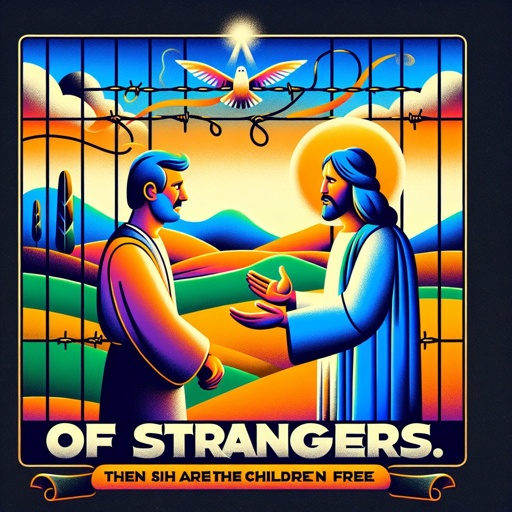
Matthew 17:26 - "Peter saith unto him, Of strangers. Jesus saith unto him, Then are the children free."
"Peter saith unto him, Of strangers. Jesus saith unto him, Then are the children free." - Matthew 17:26

Matthew 26:17 - "¶ Now the first day of the feast of unleavened bread the disciples came to Jesus, saying unto him, Where wilt thou that we prepare for thee to eat the passover?"

Matthew 26:25

Matthew 26:15

Matthew 19:26

Matthew 26:15

Matthew 27:26

Matthew 17:17-18

Matthew 27:26

Matthew 26:53

Matthew 26:65

Matthew 26:41

Matthew 26:53

Matthew 17:17-18

Genesis 17-26
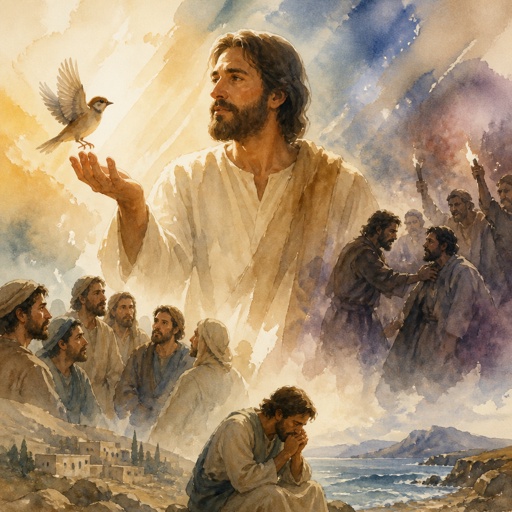
Matthew 10:26-33

Matthew 26:26 - "¶ And as they were eating, Jesus took bread, and blessed it, and brake it, and gave it to the disciples, and said, Take, eat; this is my body."

Matthew 6:17

Matthew 17:20

Hechos 5, 17-26

Luke 5:17-26

Matthew 17:20

Matthew 22:26 - "Likewise the second also, and the third, unto the seventh."

Matthew 9:26 - "And the fame hereof went abroad into all that land."

Matthew 26:54 - "But how then shall the scriptures be fulfilled, that thus it must be?"

Matthew 26:6 - "¶ Now when Jesus was in Bethany, in the house of Simon the leper,"

Matthew 26:4 - "And consulted that they might take Jesus by subtilty, and kill him."

Matthew 26:5 - "But they said, Not on the feast day, lest there be an uproar among the people."

Matthew 26:16 - "And from that time he sought opportunity to betray him."