What does Matthew 17:5 mean?
"While he yet spake, behold, a bright cloud overshadowed them: and behold a voice out of the cloud, which said, This is my beloved Son, in whom I am well pleased; hear ye him." - Matthew 17:5
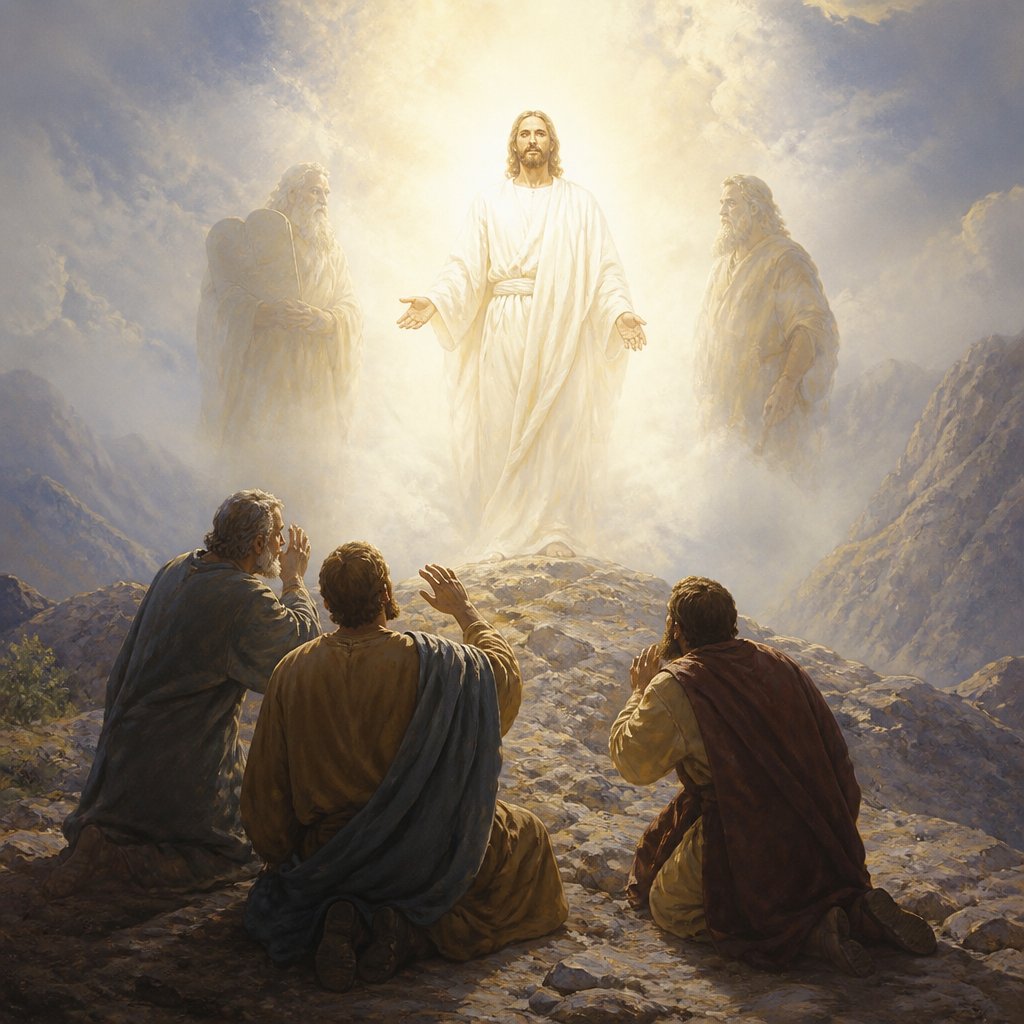
Matthew 17:5 (KJV) states, "While he yet spake, behold, a bright cloud overshadowed them: and behold a voice out of the cloud, which said, This is my beloved Son, in whom I am well pleased; hear ye him."
This verse is a significant moment in the New Testament as it recounts the Transfiguration of Jesus Christ. The Transfiguration is a key event in the life of Jesus, as it reveals his divine nature and signifies his role as the Son of God. This verse specifically captures the moment when Jesus and three of his disciples, Peter, James, and John, were on a high mountain and witnessed this extraordinary experience.
The context of this verse is important in understanding its depth and significance. Prior to the Transfiguration, Jesus had foretold his own suffering, death, and resurrection, which had deeply troubled his disciples. In Matthew 16:21, Jesus says, "From that time forth began Jesus to shew unto his disciples, how that he must go unto Jerusalem, and suffer many things of the elders and chief priests and scribes, and be killed, and be raised again the third day." It is in this context that the Transfiguration takes place, and it serves as a pivotal moment of confirmation for the disciples, reaffirming Jesus' divinity and purpose.
The imagery of the "bright cloud" is significant in this verse. Clouds are often used as a symbol of divine presence and power throughout the Bible. In the Old Testament, the cloud represented the presence of God as it led the Israelites through the wilderness and later filled the tabernacle and the temple. The bright cloud overshadowing Jesus and the disciples suggests the manifestation of God's glory and affirmation of Jesus' identity as the beloved Son of God.
The voice that emerges from the cloud reinforces the divine nature of Jesus. The voice declares, "This is my beloved Son, in whom I am well pleased; hear ye him." This echoes the words of God at Jesus' baptism in Matthew 3:17, where a voice from heaven said, "This is my beloved Son, in whom I am well pleased." The repetition of this declaration further emphasizes Jesus' unique relationship with God and his authority as the Son of God.
This affirmation from God is deeply significant for Jesus and his disciples. It serves as a source of encouragement and confirmation for Jesus as he embarks on the path of suffering and ultimately the cross. For the disciples, it reinforces their faith in Jesus as the promised Messiah and the Son of God. It also prepares and strengthens them for the challenges that lie ahead.
The themes present in this verse are numerous and profound. One of the central themes is the divinity of Jesus Christ. The Transfiguration is a powerful display of Jesus' divine glory, affirming his status as the Son of God. This event also touches on the theme of revelation, as the Transfiguration reveals a glimpse of Jesus' true nature to the disciples. It is a moment of divine revelation, where the disciples are given a deeper understanding of Jesus' identity and purpose.
Additionally, the theme of obedience is present in the command to "hear ye him." This underscores the authority of Jesus and the importance of listening to his teachings. The disciples are instructed to pay attention to Jesus and follow his words, acknowledging him as the ultimate authority in matters of faith and life.
The symbolism in this verse is rich and layered. The bright cloud symbolizes the divine presence and glory, signifying the heavenly nature of the experience. The voice from the cloud represents the voice of God, affirming Jesus' identity and authority. The presence of Moses and Elijah, who appear with Jesus during the Transfiguration, symbolizes the continuity between the Old Testament and the New Testament, as well as the fulfillment of the Law and the Prophets in Jesus.
In conclusion, Matthew 17:5 captures a pivotal moment in the life of Jesus and the faith of his disciples. It serves as a powerful affirmation of Jesus' divinity, signaling his role as the beloved Son of God. The Transfiguration is a significant event that not only reveals the true nature of Jesus but also strengthens the faith of his followers. This verse continues to offer profound insights into the identity and mission of Jesus Christ, as well as the themes of revelation, obedience, and divine affirmation.
Have questions about Matthew 17:5?
Dive deeper into this scripture with Bible Chat — an AI-powered tool for exploring God's Word through conversation. Ask questions, get context, and grow in your understanding of the Bible.
Get Our Apps


Matthew 17:5 Artwork
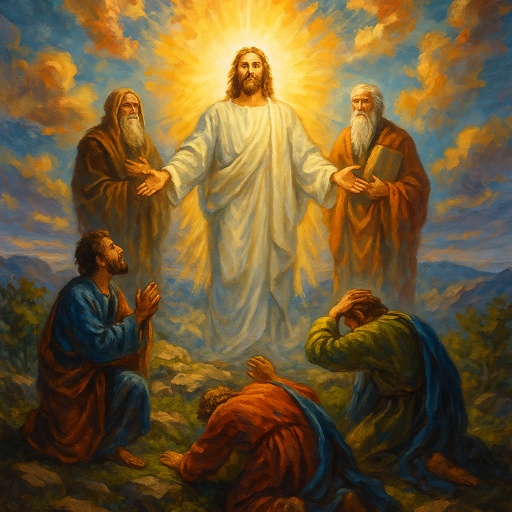
"While he yet spake, behold, a bright cloud overshadowed them: and behold a voice out of the cloud, which said, This is my beloved Son, in whom I am well pleased; hear ye him." - Matthew 17:5

Matthew 17:5 - "While he yet spake, behold, a bright cloud overshadowed them: and behold a voice out of the cloud, which said, This is my beloved Son, in whom I am well pleased; hear ye him."
"While he yet spake, behold, a bright cloud overshadowed them: and behold a voice out of the cloud, which said, This is my beloved Son, in whom I am well pleased; hear ye him." - Matthew 17:5

Matthew 5:17 - "¶ Think not that I am come to destroy the law, or the prophets: I am not come to destroy, but to fulfil."

Matthew 17:17-18

Matthew 17:17-18
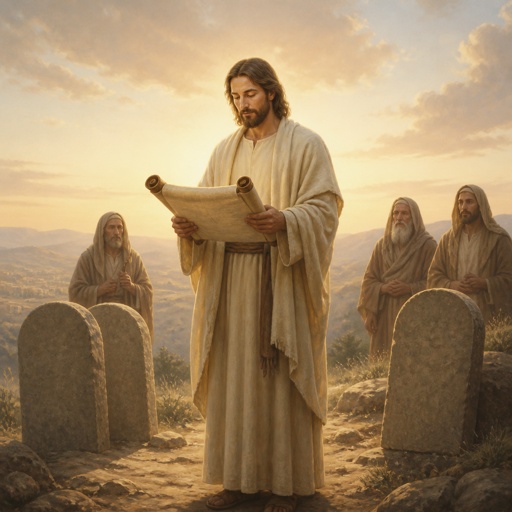
"¶ Think not that I am come to destroy the law, or the prophets: I am not come to destroy, but to fulfil." - Matthew 5:17

Matthew 6:17

Matthew 17:20

Matthew 17:20

Matthew 5:5 - "Blessed are the meek: for they shall inherit the earth."

Matthew 5:44

Matthew 5:44

Matthew 5

Matthew 5

Matthew 19:16-17

Matthew 6:17-18

Matthew 17:14-21

Matthew 17:14-15

Matthew 3:13-17

Matthew 5:44

Matthew 5:44

Matthew 5

Matthew 5:44

Matthew 5:44

Matthew 5:14

Matthew 5:44

Matthew 5:38

Matthew 6:5

Matthew 5:14