What does Matthew 1:13 mean?
“And Zorobabel begat Abiud; and Abiud begat Eliakim; and Eliakim begat Azor;” — Matthew 1:13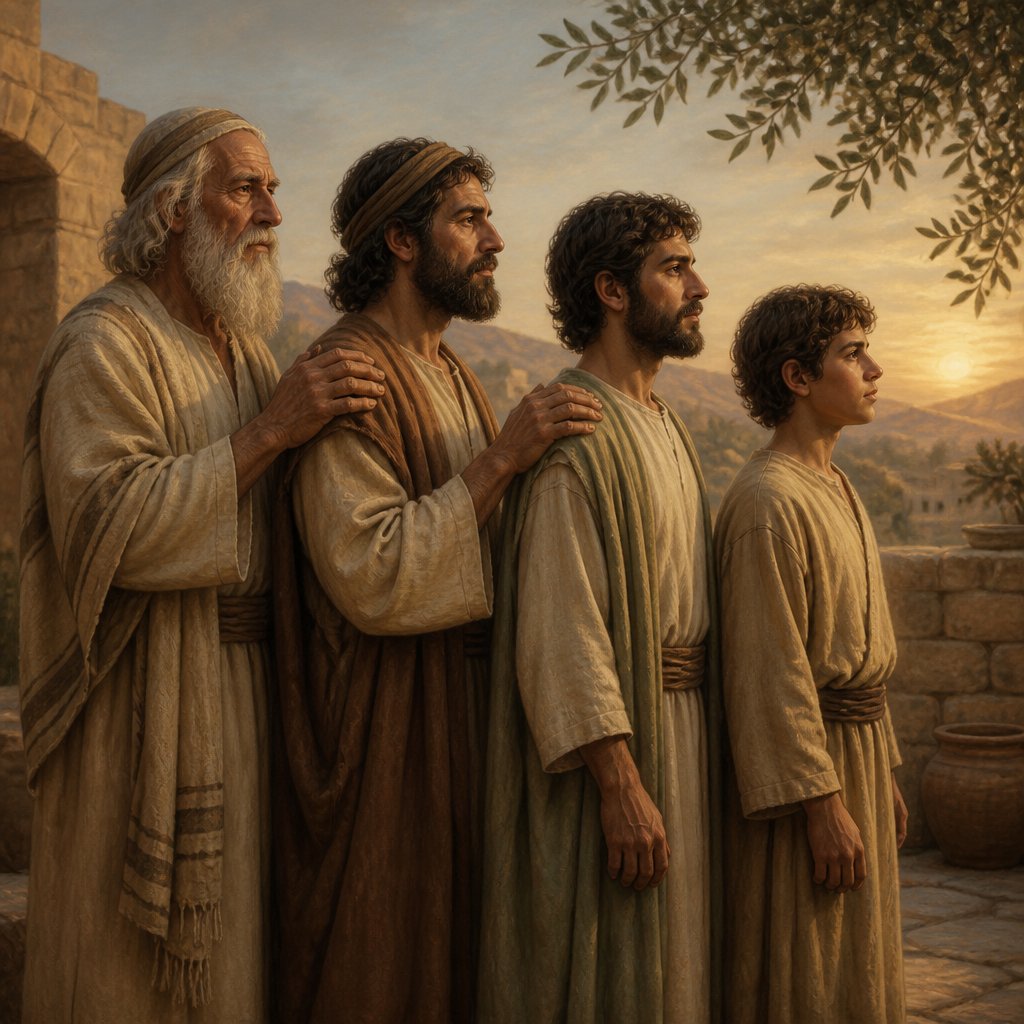
Matthew 1:13 in the King James Version of the Bible reads: "And Zorobabel begat Abiud; and Abiud begat Eliakim; and Eliakim begat Azor." At first glance, this verse may seem like just a list of names, but when we dig deeper, we can uncover deeper meanings, themes, and symbolism that shed light on the broader context of the Bible.
First, let's examine the context in which this verse appears. Matthew 1:1-17 is the genealogy of Jesus Christ, tracing his lineage from Abraham through David to Joseph, the husband of Mary, who gave birth to Jesus. This genealogy is important because it establishes Jesus' rightful claim to the throne of David and fulfills the prophecies of the Old Testament.
In this specific verse, we see the lineage from Zorobabel to Abiud to Eliakim to Azor. These names may seem unfamiliar to us, but they are significant in the context of Jesus' genealogy. Zorobabel was a prominent figure in Jewish history, known for leading the exiles back to Jerusalem and overseeing the rebuilding of the temple. Abiud, Eliakim, and Azor were also part of the lineage that led to Jesus' earthly father, Joseph.
Now, let's explore the themes and symbolism found in this verse. One major theme is the faithfulness and sovereignty of God. Throughout the Bible, we see God working through generations to fulfill his promises and bring about his redemptive plan. The genealogy in Matthew 1:1-17 is a testament to God's faithfulness in preserving the lineage of David and ultimately bringing forth the Messiah, Jesus Christ.
Another theme is the connection between the Old Testament and the New Testament. The genealogy in Matthew 1:1-17 links Jesus to the history of Israel, showing that he is the fulfillment of God's promises to his people. The names mentioned in this verse are not just random; they are part of a larger narrative that stretches from the Old Testament to the New Testament, weaving together a continuous story of God's plan for redemption.
Furthermore, the genealogy in Matthew 1:1-17 also emphasizes the humanity of Jesus. By tracing his lineage through real people with real histories, the genealogy highlights the fact that Jesus entered into the human experience. He was not just a distant, divine figure, but someone who was intimately connected to the history and struggles of his people.
In addition to these themes, there is also symbolism present in this verse. The names themselves may hold symbolic significance. For example, Zorobabel means "seed of Babylon," which could be seen as a reminder of the exile and the redemption that God brought about through Zorobabel's leadership. Abiud means "my father is majesty," which may point to the royal lineage of Jesus. Eliakim means "El establishes," suggesting God's sovereignty in establishing the line of David. Azor means "helper," possibly alluding to Jesus as the ultimate helper and savior of humanity.
In conclusion, Matthew 1:13 may appear to be a simple list of names, but when examined closely, it reveals deep meanings, themes, and symbolism that tie into the broader narrative of the Bible. This verse is not just a cold record of ancestry; it is a testament to God's faithfulness, the continuity of his redemptive plan, the humanity of Jesus, and the rich symbolism woven throughout the biblical narrative. By understanding and appreciating these deeper layers of meaning, we can gain a greater appreciation for the depth and beauty of God's Word.
Get our apps


Artwork for Matthew 1:13

Matthew 1:13 - "And Zorobabel begat Abiud; and Abiud begat Eliakim; and Eliakim begat Azor;"
"And Zorobabel begat Abiud; and Abiud begat Eliakim; and Eliakim begat Azor;" - Matthew 1:13

Matthew 13:8

Matthew 1:3 - "And Judas begat Phares and Zara of Thamar; and Phares begat Esrom; and Esrom begat Aram;"
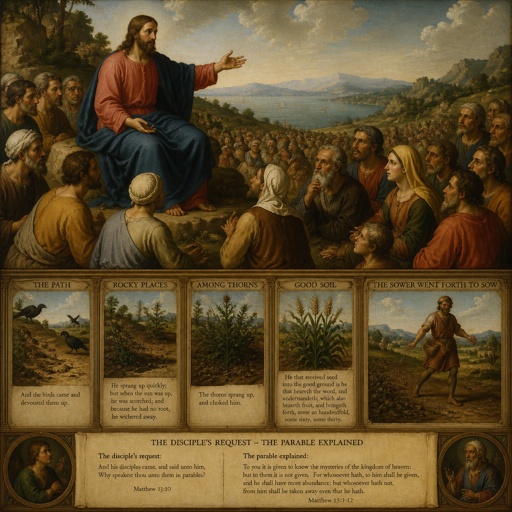
Matthew 13:1-23
Matthew 13:1-23

Matthew 13:1 - "The same day went Jesus out of the house, and sat by the sea side."
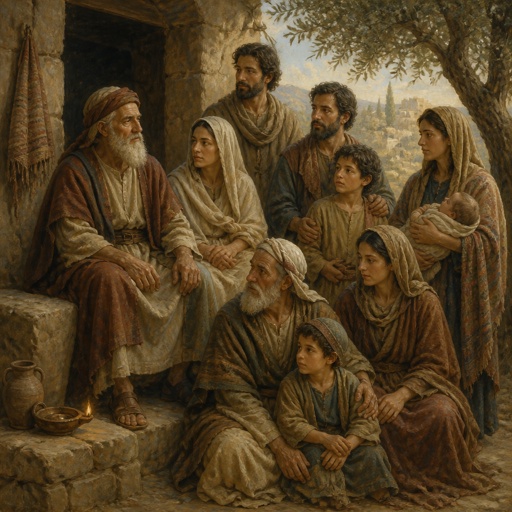
"And Judas begat Phares and Zara of Thamar; and Phares begat Esrom; and Esrom begat Aram;" - Matthew 1:3

Matthew 13

Matthew 8:13

Matthew 8:13

Matthew 8:13

Matthew 13

Matthew 7:13-14

Matthew 7:13-14

Matthew 7:13-14

Matthew 7:13-14

Matthew 7:13-14

Matthew 7:13-14

Matthew 7:13-14

Matthew 7:13-14

Matthew 7:13-14

Matthew 7:13-14

Matthew 7:13-14

Matthew 7:13

Matthew 2:13
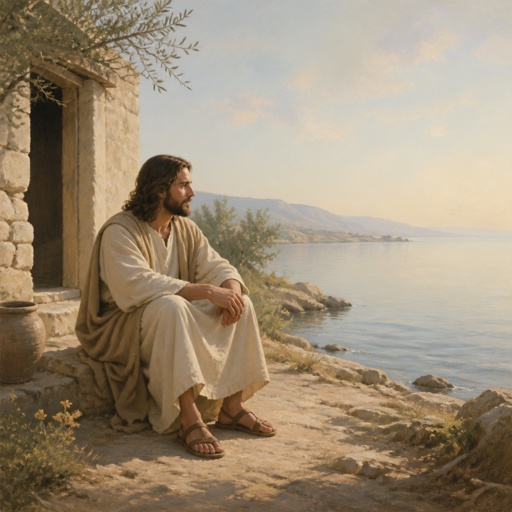
"The same day went Jesus out of the house, and sat by the sea side." - Matthew 13:1

Matthew 6:13

Matthew 2:13

Matthew 19:13