What does Matthew 1:9 mean?
“And Ozias begat Joatham; and Joatham begat Achaz; and Achaz begat Ezekias;” — Matthew 1:9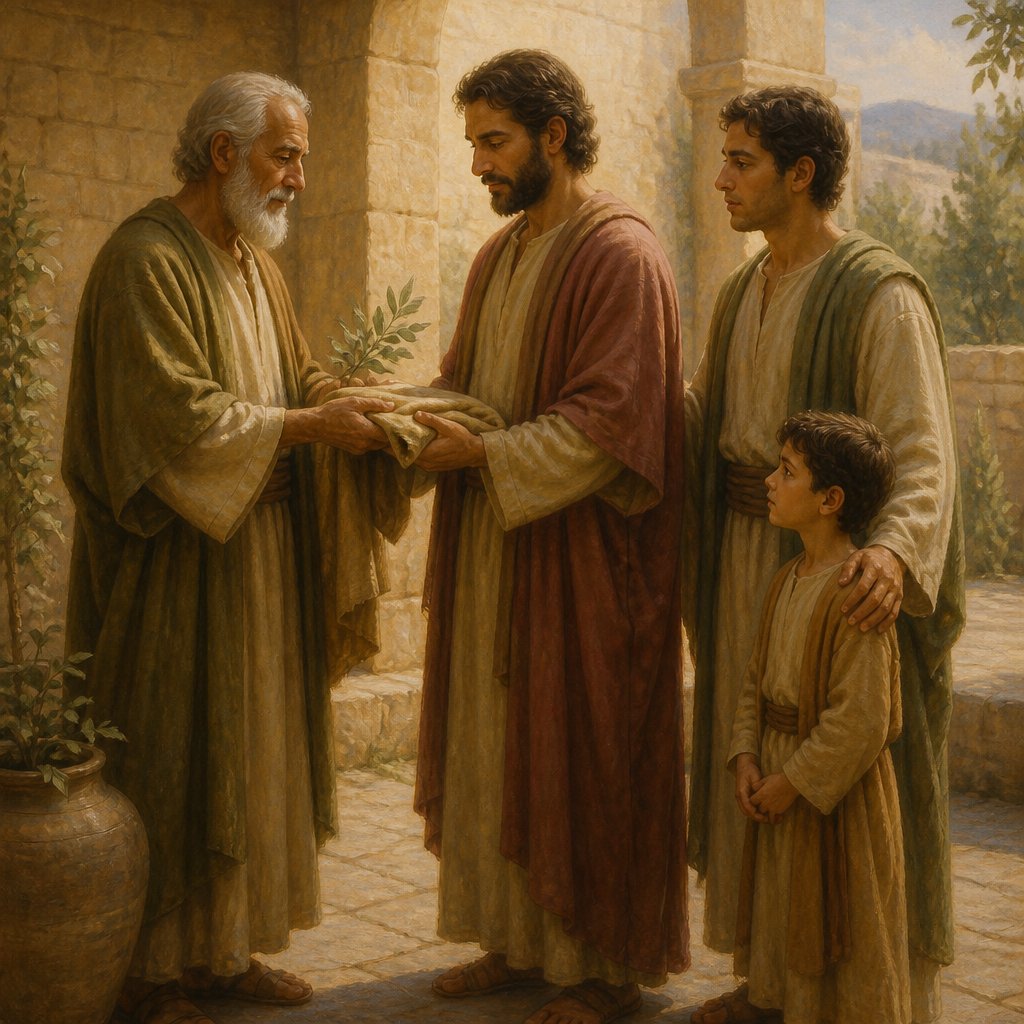
Matthew 1:9 (KJV) - "And Ozias begat Joatham; and Joatham begat Achaz; and Achaz begat Ezekias;"
This seemingly straightforward genealogical passage from the book of Matthew is part of the larger genealogy of Jesus Christ, tracing his lineage back to Abraham. However, when delving deeper into the meaning and symbolism of this verse, it becomes clear that the genealogy holds much more significance than merely listing names and relationships.
The context of this verse is important to understand. The book of Matthew is the first book in the New Testament and serves as an account of the life, teachings, death, and resurrection of Jesus Christ. The genealogy presented in the opening chapters of Matthew is meant to establish the legitimacy of Jesus as the long-awaited Messiah, fulfilling the prophecies and promises made to the Jewish people throughout the Old Testament. By tracing Jesus' lineage back to David and Abraham, the genealogy demonstrates his rightful place as the King of Israel and the Savior of the world.
In the verse, "Ozias begat Joatham; and Joatham begat Achaz; and Achaz begat Ezekias," we see a succession of fathers begetting sons. This pattern of father-to-son genealogy is common throughout the Bible and is significant in the cultural and religious context of the time. It serves to establish a line of descent and inheritance, particularly in terms of leadership and authority.
Symbolically, this genealogy also represents the continuity and faithfulness of God's covenant with his people. Each name in the lineage represents a link in the chain leading to the fulfillment of God's promises. The names themselves also carry meaning and significance. For example, "Achaz" means "he has grasped," which can be interpreted as God's firm grasp on his people and the unfolding of his divine plan through the generations.
The themes of lineage and ancestry are central to this verse and the genealogy as a whole. In ancient Jewish culture, one's lineage was of utmost importance, as it determined one's status, inheritance, and even spiritual standing. By presenting Jesus' genealogy, the Gospel of Matthew emphasizes his connection to the history and people of Israel, highlighting his Jewish identity and the fulfillment of Old Testament prophecies.
Furthermore, the genealogy of Jesus serves to demonstrate the inclusivity of God's plan for salvation. The presence of various individuals, including non-Israelites and women, challenges the notion of exclusivity and emphasizes God's redemptive work for all people. This is in line with the broader message of the Gospel – that salvation is available to all who believe, regardless of their background or lineage.
From a theological standpoint, the genealogy in Matthew 1:9 underscores the continuity of God's plan throughout history. It shows that Jesus' arrival was not a random event, but rather the culmination of centuries of divine preparation and providential guidance. Each name in the genealogy represents a piece of the puzzle, leading to the ultimate revelation of God's grace and redemption in Jesus Christ.
In conclusion, Matthew 1:9, along with the entire genealogy in the Gospel of Matthew, holds profound significance in both its historical and theological context. It serves as a powerful testament to God's faithfulness, the fulfillment of prophecy, and the universal scope of salvation through Jesus Christ. As we ponder this verse, we are reminded of the rich tapestry of God's redemptive history and the divine purpose woven through the generations.
Get our apps


Artwork for Matthew 1:9

Matthew 1:9 - "And Ozias begat Joatham; and Joatham begat Achaz; and Achaz begat Ezekias;"
"And Ozias begat Joatham; and Joatham begat Achaz; and Achaz begat Ezekias;" - Matthew 1:9

Matthew 2:9

Matthew 9:37-38

Matthew 9:1 - "And he entered into a ship, and passed over, and came into his own city."

Matthew 9:21

Matthew 9:21-22

Matthew 9:21-22

Matthew 9:21-22

Matthew 9:21-22

Matthew 9:21-22
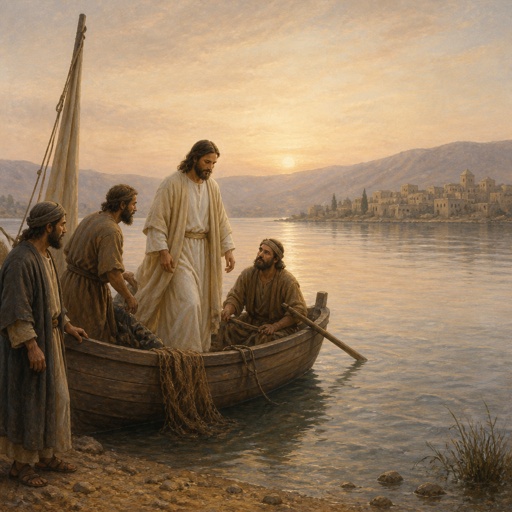
"And he entered into a ship, and passed over, and came into his own city." - Matthew 9:1

Matthew 9:9 - "¶ And as Jesus passed forth from thence, he saw a man, named Matthew, sitting at the receipt of custom: and he saith unto him, Follow me. And he arose, and followed him."

Matthew 2:9

Matthew 6:9-13

Matthew 9:7 - "And he arose, and departed to his house."

Matthew 9:26 - "And the fame hereof went abroad into all that land."

Matthew 5:9 - "Blessed are the peacemakers: for they shall be called the children of God."

Matthew 13:9 - "Who hath ears to hear, let him hear."

Matthew 12:9 - "And when he was departed thence, he went into their synagogue:"

Matthew 9:19 - "And Jesus arose, and followed him, and so did his disciples."

Matthew 15:9 - "But in vain they do worship me, teaching for doctrines the commandments of men."

Matthew 9:3 - "And, behold, certain of the scribes said within themselves, This man blasphemeth."

Matthew 26:9 - "For this ointment might have been sold for much, and given to the poor."

mat 17:1-9

Matthew 9:32 - "¶ As they went out, behold, they brought to him a dumb man possessed with a devil."

Matthew 9:29 - "Then touched he their eyes, saying, According to your faith be it unto you."

Matthew 10:9 - "Provide neither gold, nor silver, nor brass in your purses,"

Matthew 9:31 - "But they, when they were departed, spread abroad his fame in all that country."

Matthew 9:34 - "But the Pharisees said, He casteth out devils through the prince of the devils."