What does Matthew 20:13 mean?
"But he answered one of them, and said, Friend, I do thee no wrong: didst not thou agree with me for a penny?" - Matthew 20:13
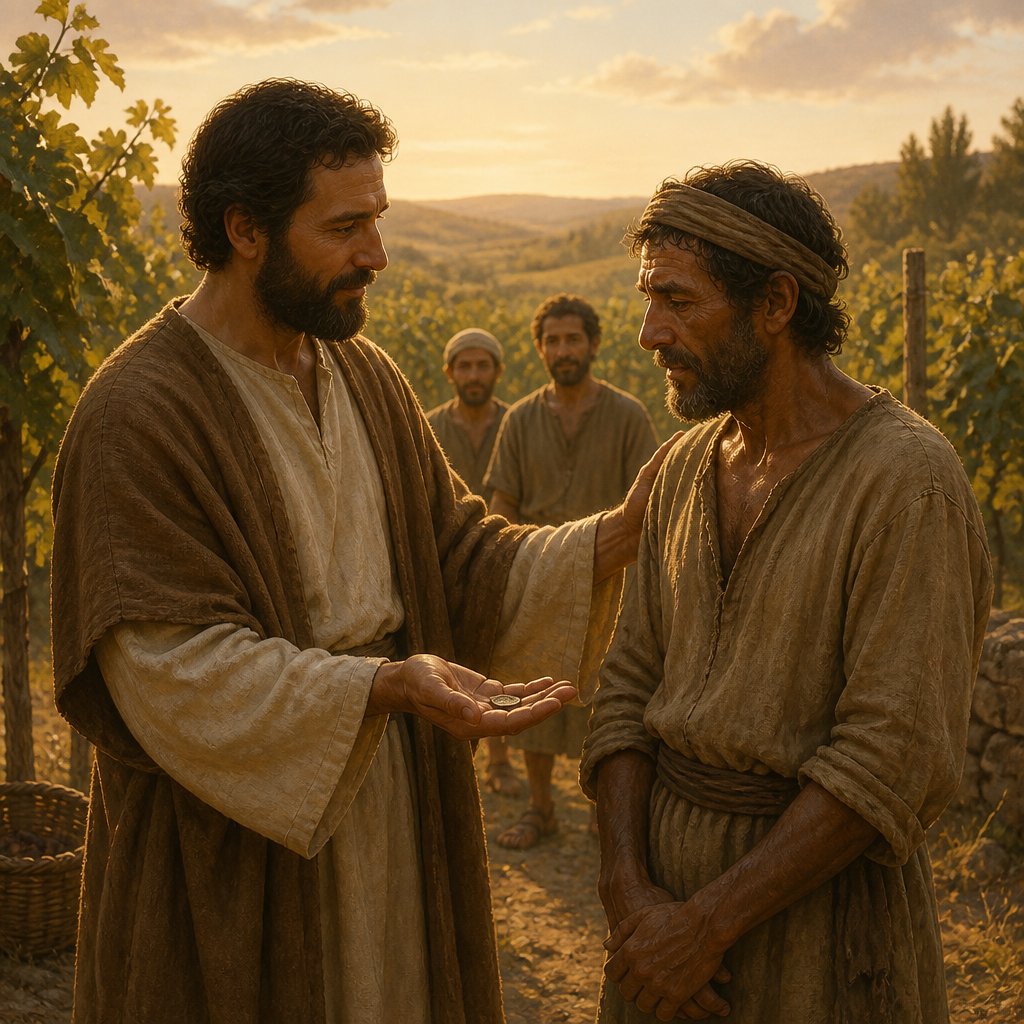
Matthew 20:13 (KJV) states: "But he answered one of them, and said, Friend, I do thee no wrong: didst not thou agree with me for a penny?"
In order to fully grasp the meaning and significance of this verse, it is important to explore the surrounding context and themes within the passage as a whole. The parable from which this verse is taken is the Parable of the Workers in the Vineyard, found in Matthew 20:1-16. This parable tells the story of a vineyard owner who hires laborers at various times throughout the day, and at the end of the day, he pays all the workers the same wage, regardless of the amount of time they had worked.
The main theme of this parable is the concept of divine grace and the generosity of God. The vineyard owner represents God, and the workers represent people who are called to work in God's kingdom. The denarius, or the wage, symbolizes the salvation and eternal life that God freely offers to all who respond to His call. The parable serves as a reminder that God's grace is not earned through human effort or merit, but rather it is a gift freely given to all who accept it.
In the context of Matthew 20:13, the verse is part of the vineyard owner's response to the workers who were hired first and received the same wage as those who were hired last. It highlights the sense of entitlement and comparison that the early workers felt, as they believed they deserved more for working longer hours. The response of the vineyard owner, "Friend, I do thee no wrong: didst not thou agree with me for a penny?" serves as a rebuke to the mindset of entitlement and jealousy that the early workers displayed.
This verse carries a powerful message about fairness and the unmerited nature of God's grace. It challenges the human tendency to compare ourselves to others and to think we deserve more based on our own efforts. It reminds us that in God's kingdom, there is no room for selfish ambition or a sense of entitlement. Instead, we are called to embrace the generosity and grace of God, recognizing that His love is equally available to all, regardless of their perceived merit.
Furthermore, the language used in this verse, particularly the word "Friend," reflects the vineyard owner's compassion and understanding towards the workers. It emphasizes the personal relationship that God desires to have with His people, and His desire for all to experience His goodness and love. The vineyard owner's response serves as a reminder that God is just and fair in His dealings with us, and that we should not harbor resentment or jealousy towards others who we perceive as receiving preferential treatment.
In conclusion, Matthew 20:13, as part of the Parable of the Workers in the Vineyard, carries a profound message about the unmerited nature of God's grace and the danger of a mindset of entitlement and comparison. It emphasizes the need to embrace the generosity and fairness of God, and to avoid feelings of jealousy and bitterness towards others. This verse challenges us to reevaluate our attitudes and to recognize the immeasurable value of God's love, which is freely available to all who accept it.
Have questions about Matthew 20:13?
Dive deeper into this scripture with Bible Chat — an AI-powered tool for exploring God's Word through conversation. Ask questions, get context, and grow in your understanding of the Bible.
Get Our Apps


Matthew 20:13 Artwork
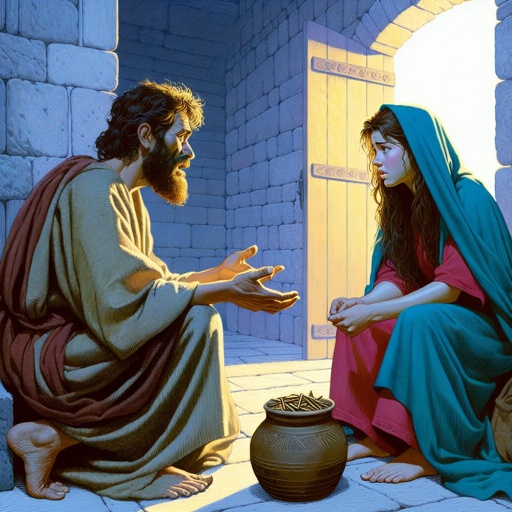
Matthew 20:13 - "But he answered one of them, and said, Friend, I do thee no wrong: didst not thou agree with me for a penny?"
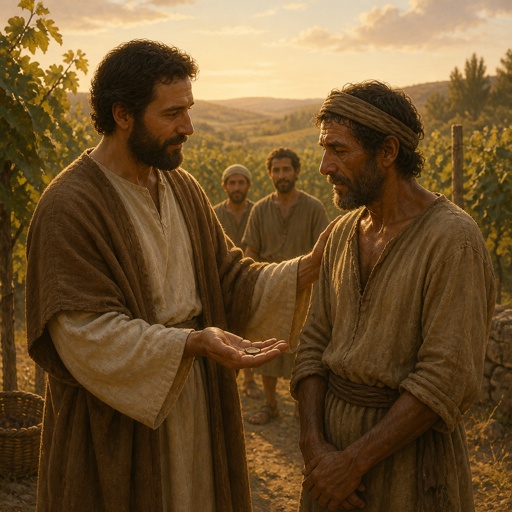
"But he answered one of them, and said, Friend, I do thee no wrong: didst not thou agree with me for a penny?" - Matthew 20:13

matthew 5 13-20

Matthew 13:20 - "But he that received the seed into stony places, the same is he that heareth the word, and anon with joy receiveth it;"
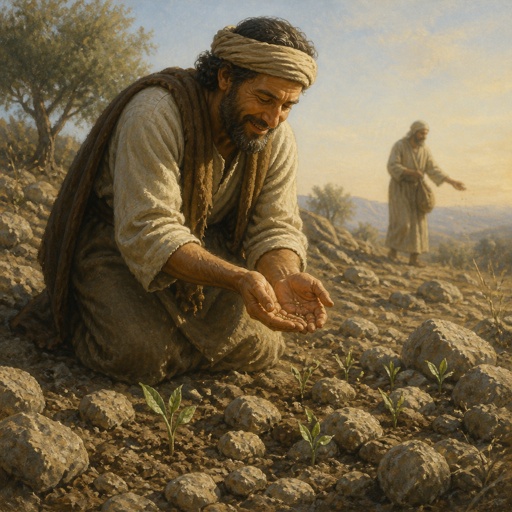
"But he that received the seed into stony places, the same is he that heareth the word, and anon with joy receiveth it;" - Matthew 13:20

Matthew 17:20

Matthew 18:20

Matthew 13

matthew 20:3

Matthew 18:20

Matthew 18:20

Matthew 17:20

Matthew 8:13

Matthew 8:13

Matthew 8:13

Matthew 13

Matthew 7:13-14

Matthew 7:13-14

Matthew 7:13-14

Matthew 7:13-14

Matthew 7:13-14

Matthew 7:13-14

Matthew 7:13-14

Matthew 28:19-20

Matthew 20:29-34

Matthew 7:13-14

Matthew 7:13-14

Matthew 7:13-14

Matthew 7:13-14

Matthew 28: 19-20